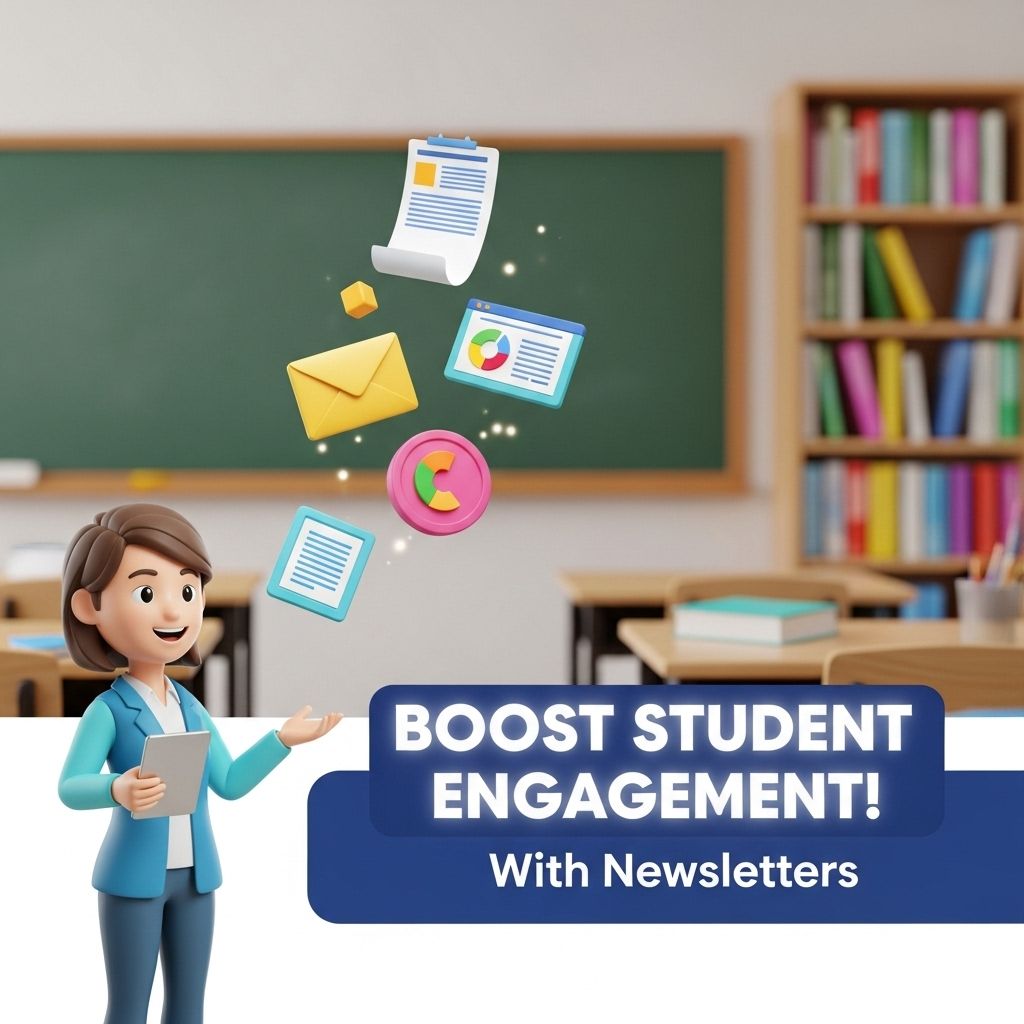
In the digital age, where information is just a click away and attention spans are dwindling, engaging students can be a challenging task for educators. However, one effective strategy that has gained traction is the use of newsletters. These compact, informative publications can serve as a bridge between educators and students, fostering communication and enhancing engagement. This article explores how newsletters can be effectively utilized to boost student engagement in various educational settings.
Table of Contents
Understanding the Importance of Student Engagement
Before delving into the specifics of newsletters, it is essential to understand why student engagement matters. Engaged students are more likely to be motivated, retain information, and achieve academic success. According to research, engaged students exhibit:
- Increased attendance rates
- Higher academic performance
- Lower dropout rates
- Improved social skills
- Enhanced self-esteem and confidence
To cultivate this engagement, educators must adopt innovative strategies, one of which is the effective use of newsletters.
The Role of Newsletters in Education
Newsletters serve as a powerful tool for communication and information dissemination within educational contexts. They can be used to:
- Share important announcements and updates
- Highlight student achievements and milestones
- Encourage participation in events and activities
- Provide resources and support for academic success
When designed thoughtfully, newsletters can cater to the interests and needs of students, making them feel valued and connected to their educational community.
Crafting Effective Newsletters
Creating a newsletter that captures attention requires careful planning and execution. Here are some key components to consider:
1. Define Your Objectives
Before creating a newsletter, it’s crucial to define its purpose. What do you aim to achieve? Some common objectives include:
- Informing students about academic deadlines
- Promoting school events and activities
- Providing study tips and resources
- Celebrating student achievements
2. Know Your Audience
Understanding your audience is key to crafting engaging content. Consider the age group, interests, and needs of your students. Tailoring your content to meet these factors will increase the likelihood that students will read and engage with your newsletter.
3. Create Compelling Content
The content of your newsletter should be informative, engaging, and relevant. Here are some ideas:
| Content Type | Examples |
|---|---|
| Announcements | Upcoming tests, events, deadlines |
| Resources | Study guides, links to educational tools |
| Spotlights | Student of the month, teacher highlights |
| Events | Workshops, club meetings, sports games |
| Tips | Study tips, stress management techniques |
4. Design Matters
A visually appealing newsletter will capture students’ attention more effectively. Consider the following design tips:
- Use eye-catching graphics and images
- Maintain a clean and organized layout
- Incorporate school colors and branding
- Utilize headings and subheadings for easy navigation
Distributing Your Newsletter
Even the best content will go unnoticed if it doesn’t reach your audience. Here are some effective distribution methods:
Email Marketing
Sending newsletters via email is one of the most direct ways to reach students. Ensure your email lists are up to date and consider using engaging subject lines to increase open rates.
Social Media Integration
Utilizing social media platforms can enhance the reach of your newsletters. Share snippets or highlights from your newsletter on platforms like Instagram, Facebook, and Twitter to direct traffic back to the full publication.
Physical Copies
For younger students or in certain communities, distributing physical copies may still be effective. Place them in strategic locations such as school bulletin boards, classrooms, and libraries.
Encouraging Student Interaction
To further enhance engagement, consider ways to encourage feedback and interaction through your newsletters:
- Include surveys or polls to gather student opinions
- Invite students to submit content, such as articles or artwork
- Feature a ‘letter to the editor’ section for student responses
Measuring Success
To determine the effectiveness of your newsletters, it is important to measure their impact. Consider the following metrics:
- Open rates and click-through rates for email newsletters
- Engagement on social media posts related to newsletters
- Feedback from students through surveys
Regularly analyzing these metrics will help you refine your approach and improve future newsletters.
Conclusion
In conclusion, newsletters can be a dynamic tool for boosting student engagement. By creating compelling content, utilizing effective distribution methods, and encouraging interaction, educators can foster a sense of community and connection among students. As technology continues to evolve, newsletters can adapt and grow, providing ongoing opportunities for engagement and communication in the ever-changing landscape of education.
FAQ
How can newsletters enhance student engagement?
Newsletters can provide students with important updates, highlight achievements, and share relevant resources, fostering a sense of community and keeping them informed.
What content should be included in a student newsletter?
A student newsletter should include upcoming events, academic resources, student spotlights, extracurricular activities, and tips for success.
How often should newsletters be sent to students?
Newsletters can be sent weekly or bi-weekly to maintain engagement without overwhelming students with information.
What are effective ways to promote newsletter sign-ups?
Promote sign-ups through social media, classroom announcements, and during orientation sessions to encourage student participation.
Can newsletters be used to gather student feedback?
Yes, newsletters can include surveys or feedback forms to gather student opinions and suggestions, enhancing their involvement in decision-making.
How can visuals improve student engagement in newsletters?
Incorporating visuals such as images, infographics, and videos can make newsletters more appealing and help convey information more effectively.