In the evolving landscape of work, freelancing has emerged as a viable and often lucrative career path for many individuals. Whether you are a seasoned professional or just starting out, understanding the nuances of freelancing can significantly impact your success. This article delves into essential freelancing tips that can help you navigate the complexities of being your own boss, manage your time effectively, and maximize your earnings.
Freelancing offers the flexibility to work on your own terms, but it also comes with its own set of challenges. To thrive in this dynamic environment, it’s essential to arm yourself with expert tips and strategies that can help streamline your workflow. For instance, having quality resources at your disposal, like mockups for showcasing your work, can significantly enhance your presentations—consider download free bag mockups to elevate your portfolio.
Table of Contents
Understanding the Freelancing Landscape
Freelancing is not just a job; it’s a business model that requires a distinct mindset and skillset. The gig economy has opened up numerous opportunities, allowing professionals to work with clients worldwide, set their own hours, and choose projects that align with their interests and skills.
Benefits of Freelancing
- Flexibility: Set your own hours and work from anywhere.
- Variety: Work on diverse projects across different industries.
- Autonomy: Have complete control over your work and business decisions.
- Potential for Higher Earnings: Charge what you’re worth and take on as many projects as you can handle.
Challenges of Freelancing
- Income Instability: Managing fluctuating income can be challenging.
- Self-Discipline: Requires motivation and discipline to stay productive.
- Client Management: Dealing with difficult clients and tight deadlines.
- Health Benefits: No employer-provided health insurance or retirement plans.
Essential Tips for Freelancers
Mastering the art of freelancing involves more than just having a skill to offer. Here are some crucial tips that can help you thrive in this competitive space:
1. Define Your Niche
It’s vital to establish a clear niche where you can showcase your expertise. A well-defined niche not only helps you target your marketing efforts but also allows you to build a reputation as an expert in that area.
2. Build a Professional Portfolio
Your portfolio is your calling card in the freelancing world. Ensure that it is visually appealing and contains your best work, showcasing a variety of projects that highlight your skillset.
3. Set Competitive Rates
Research what other freelancers in your field are charging and set your rates accordingly. Consider your experience, skill level, and the complexity of the work when determining your pricing.
| Experience Level | Average Rate (Per Hour) |
|---|---|
| Beginner | $25 – $50 |
| Intermediate | $50 – $100 |
| Expert | $100 – $200+ |
4. Effective Time Management
Staying organized is key to freelancing success. Use tools and strategies such as:
- Time tracking software (e.g., Toggl, Harvest)
- Task management tools (e.g., Trello, Asana)
- Setting specific working hours to maintain a work-life balance
5. Networking and Building Relationships
Networking is crucial for freelancers. Attend industry events, engage on social media, and connect with other professionals in your field. Building relationships can lead to referrals and long-term collaborations.
6. Quality Over Quantity
Focusing on delivering high-quality work will naturally lead to repeat clients and referrals. Always strive to exceed client expectations, as satisfied clients are likely to recommend you to others.
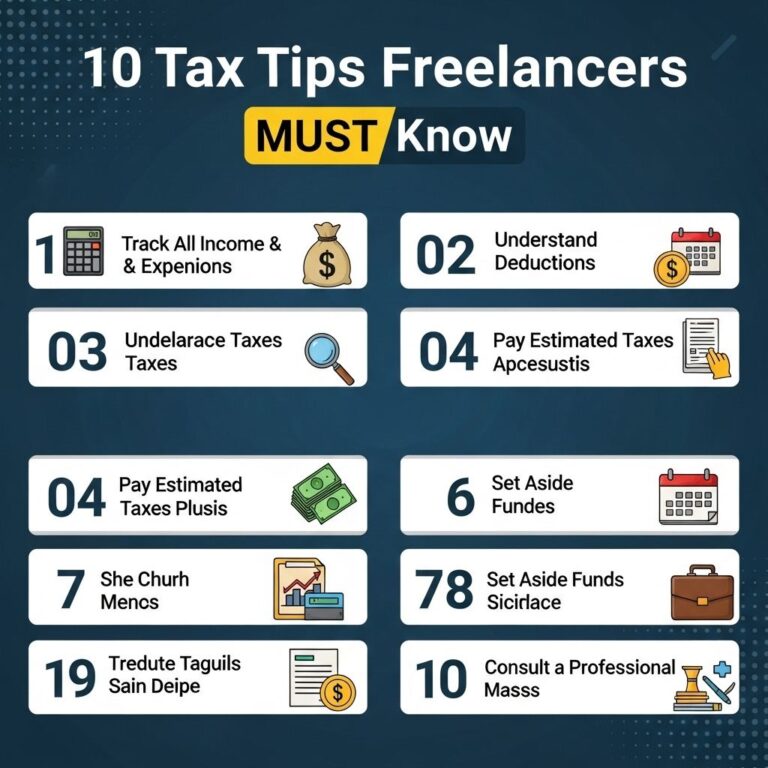
7. Legal and Financial Preparedness
Understanding the legal aspects of freelancing, such as contracts and taxes, is crucial. Consider consulting with a legal expert to draft contracts that protect both you and your client.
Important Considerations:
- Always use a contract to outline the scope, deadlines, and payment terms.
- Keep track of your income and expenses for tax purposes.
- Consider setting aside a portion of your earnings for taxes.
8. Continual Learning and Improvement
The tech landscape is constantly changing, so it’s essential to keep your skills updated. Encourage yourself to take online courses, attend workshops, and read industry-related books and articles.
Freelancing Resources
There are numerous resources available to help freelancers succeed. Here’s a list of useful tools and platforms:
Freelancing Platforms
- Upwork: A popular platform for finding freelance work across various fields.
- Fiverr: Offers freelance services starting at $5; great for beginners.
- Freelancer: Allows freelancers to bid on projects and connect with clients.
Productivity Tools
- Google Drive: For document management and collaboration.
- Slack: For team communication and project management.
- Canva: A design tool for creating engaging visuals.
Learning Platforms
- Coursera: Offers online courses on a variety of topics.
- LinkedIn Learning: Professional development courses to enhance your skills.
- Udemy: A diverse range of courses at affordable prices.
Conclusion
Embarking on a freelancing journey can be both exciting and daunting. By applying these essential tips and leveraging the right resources, you can create a sustainable and fulfilling freelancing career. Remember that success won’t come overnight, but with persistence, dedication, and a proactive approach, you can achieve your freelancing goals and enjoy the freedom and flexibility this career path offers.
FAQ
What are essential freelancing tips for beginners?
Essential freelancing tips for beginners include setting clear goals, understanding your target market, creating a strong portfolio, managing your time effectively, and maintaining professional communication with clients.
How can I effectively market my freelance services?
You can effectively market your freelance services by leveraging social media, building a professional website, networking with other freelancers, utilizing freelance job platforms, and showcasing your work through case studies and testimonials.
What tools do I need for successful freelancing?
Essential tools for successful freelancing include project management software, invoicing tools, communication apps, time tracking software, and a reliable internet connection.
How can I set competitive freelance rates?
To set competitive freelance rates, research industry standards, consider your experience level, calculate your expenses, and evaluate the value you provide to clients.
What should I include in my freelance contract?
A freelance contract should include project scope, payment terms, deadlines, intellectual property rights, confidentiality clauses, and conditions for termination.
Where can I find freelance job opportunities?
You can find freelance job opportunities on platforms like Upwork, Fiverr, Freelancer, and by networking on LinkedIn or joining freelance communities.