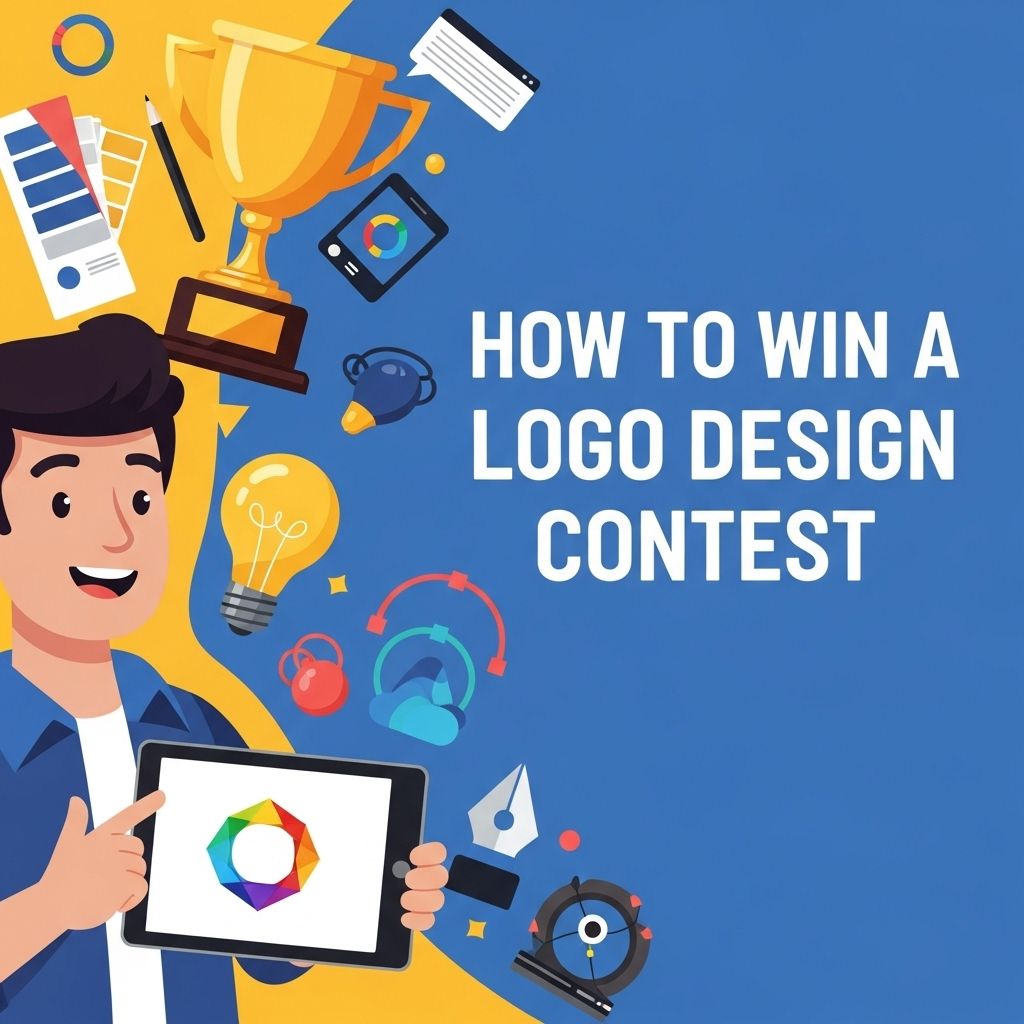
Logo design contests can be an exciting yet challenging way to showcase your design skills and make a mark in the competitive world of graphic design. Whether you are a seasoned professional or a budding designer, understanding the nuances of winning a logo design contest is crucial. This article delves into the steps, strategies, and tips to elevate your submissions and increase your chances of success.
Entering logo design contests can be a competitive yet rewarding experience. To stand out, it’s essential to understand the client’s vision and incorporate unique elements that reflect their brand identity. Utilizing resources such as vector logo templates can also enhance your design process.
Table of Contents
Understanding the Contest
Before diving into the design process, it’s essential to grasp the specifics of the contest you’re entering. Each contest may have different requirements, judging criteria, and target audiences. Here’s how to get started:
Read the Brief Carefully
- Identify key requirements: Analyze the client’s needs, including the style, color palette, and any specific elements they want in the logo.
- Understand the brand: Research the brand’s values, mission, and target audience to create a logo that resonates with them.
- Note deadlines: Keep track of submission dates, and plan your design process accordingly.
Research the Competition
Knowing what others are submitting can provide valuable insights into trends and expectations. Consider these points:
- Browse past winners: Look at successful designs from previous contests for inspiration.
- Analyze submission styles: Identify common themes or elements among top submissions.
- Stay aware of trends: Familiarize yourself with current design trends that might influence your work.
Crafting Your Design
With the contest requirements in mind, it’s time to focus on crafting a unique and impactful logo. Here are some key elements to consider:
Brainstorming Ideas
Use creative techniques to generate ideas that align with the client’s vision:
- Mood Boards: Create a mood board with color palettes, typography, and imagery that reflect the brand’s identity.
- Sketching: Start with rough sketches to visualize concepts before moving to digital design.
- Mind Mapping: Use mind mapping to explore related concepts and ideas surrounding the brand.
Typography and Color Selection
The right typography and color choices can significantly affect a logo’s impact. Here are some tips:
| Element | Considerations |
|---|---|
| Typography | Choose fonts that are legible and reflect the brand’s personality. Avoid using too many different fonts. |
| Color Theory | Understand the psychology of colors; for example, blue conveys trust, while red evokes excitement. |
Designing for Versatility
A successful logo should be versatile enough to work in various contexts. Consider the following:
Scalability
Ensure your logo looks great at any size, from business cards to billboards. Test it in different sizes to confirm its clarity and legibility.
Monochrome Adaptation
Design a monochrome version of your logo to ensure it maintains integrity when printed in black and white.
Preparing Your Submission
Once your design is finalized, it’s time to prepare it for submission. Here are some essential steps:
Create Multiple Formats
Provide your logo in various formats to meet the contest’s requirements:
- Vector files (AI, EPS) for scalability.
- Raster files (PNG, JPG) for web use.
Write a Compelling Description
Along with your design, include a description explaining your creative process and how it aligns with the brand. Highlight the following:
- The thought behind your design choices.
- How your logo fits the brand’s identity.
- Your inspiration and any relevant research.
Engaging with the Community
Participating in design contests also presents an opportunity to engage with fellow designers and clients. Here’s how to build a positive presence:
Feedback and Iteration
Be open to feedback from the contest host and other participants. Iteration can improve your design significantly:
- Request constructive criticism.
- Make adjustments based on feedback while staying true to your vision.
Networking
Connect with other designers during the contest to build relationships and potentially collaborate on future projects.
Final Thoughts
Winning a logo design contest requires a combination of creativity, strategic thinking, and a deep understanding of the brand you’re working with. By following these guidelines, you can increase your chances of standing out among the competition. Remember, every contest is a learning experience, so take the time to refine your skills with each submission.
Success in logo design contests is not solely about winning; it’s also about building your portfolio, learning from feedback, and expanding your professional network. With dedication and a willingness to adapt, you can excel in the fast-paced world of logo design.
FAQ
What are the key strategies to win a logo design contest?
To win a logo design contest, focus on understanding the client’s needs, conducting thorough research on the brand, creating unique and memorable designs, and presenting your work professionally.
How important is research in a logo design contest?
Research is crucial as it helps you understand the brand’s identity, target audience, and competitors, enabling you to create a more effective and relevant logo.
What elements make a logo design stand out in a contest?
A standout logo design typically features simplicity, versatility, relevance to the brand, and a strong visual impact that communicates the brand’s message.
How can I effectively present my logo design to judges?
Present your logo design with a clear explanation of your design choices, show mockups in real-world applications, and highlight how it meets the client’s objectives.
What common mistakes should I avoid in a logo design contest?
Avoid common mistakes like overcomplicating the design, ignoring the brief, using clichéd elements, and neglecting to seek feedback before submission.
Can feedback improve my chances of winning a logo design contest?
Yes, seeking feedback from peers or mentors can provide valuable insights and help refine your design, increasing your chances of impressing the judges.