As we approach 2025, the landscape of web design is continuously evolving, driven by advancements in technology, a deeper understanding of user experience, and a keen focus on accessibility. Designers are challenged to create stunning, functional, and engaging websites that stand out in an overcrowded digital space. In this article, we will explore some of the hottest web design ideas for 2025 that will shape the way we build and experience websites.
Table of Contents
Embracing Minimalism with a Twist
While minimalism has been a popular design trend for years, in 2025, we will see it evolve. Designers will embrace minimalism with unexpected elements, such as:
- Bold Typography: Using large, striking fonts as a focal point enhances readability and adds personality.
- Vibrant Color Palettes: While keeping layouts clean, designers will introduce pops of color that captivate and engage visitors.
- Asymmetrical Layouts: Breaking the grid with asymmetric designs will create a sense of dynamism and modernity.
Interactive and Immersive Experiences
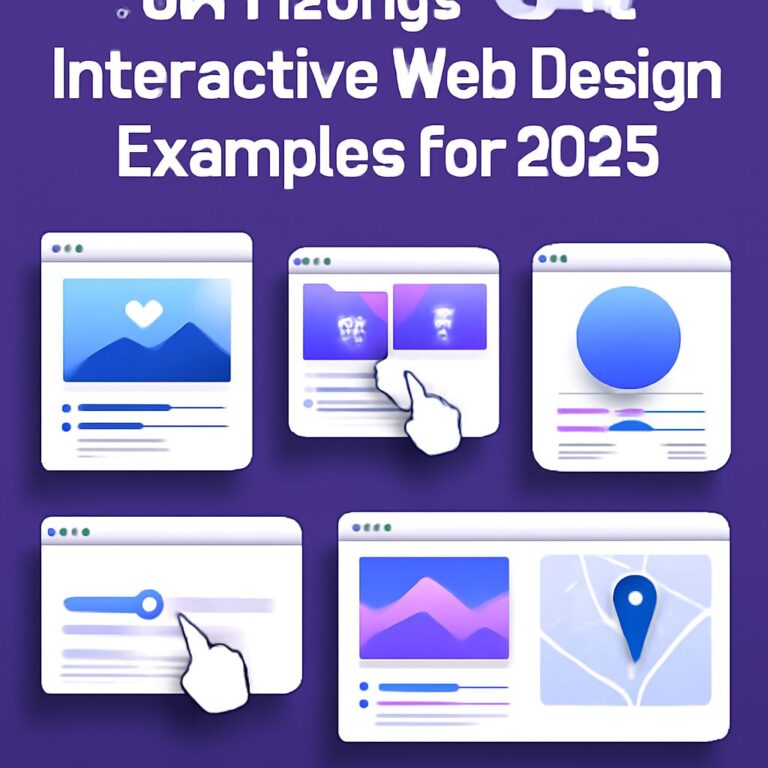
With the advancements in web technologies, interactive elements are set to take center stage in 2025. Here’s how:
Micro-Interactions
Micro-interactions are small animations or design elements that guide users through a website. They can include:
- Button Animations: Visual feedback when buttons are clicked.
- Loading Animations: Engaging animations that entertain users while content loads.
3D Graphics and Visuals
As browser capabilities improve, integrating 3D graphics can enhance user experience. Designers will consider:
- Realistic 3D Models: Incorporating 3D elements that users can interact with, such as product images.
- Virtual Reality (VR): Offering immersive experiences, especially for e-commerce sites.
Enhanced Accessibility and Inclusivity
In 2025, web design will prioritize accessibility, ensuring that all users, regardless of ability, can navigate websites effortlessly. Key considerations include:
| Accessibility Feature | Implementation |
|---|---|
| Alternative Text for Images | Provide descriptive text for all images to assist screen reader users. |
| Keyboard Navigation | Ensure all elements are accessible via keyboard shortcuts. |
| Color Contrast | Use high contrast between text and background for readability. |
The Rise of Dark Mode
Dark mode is more than just a trend; it’s becoming a necessity. As users spend more time online, the demand for dark mode options will surge. Designers should consider:
- Consistent Color Schemes: Ensure that colors work well in both light and dark modes.
- Easy Toggle Options: Allow users to switch between modes effortlessly.
Utilizing AI in Web Design
Artificial intelligence is transforming web design in various ways, making it easier to create customized user experiences. Here are some innovative applications:
AI-Driven Design Tools
Tools powered by AI can assist designers in:
- Generating Layouts: Automatically create layout suggestions based on content provided.
- Predicting User Behavior: Analyzing user interactions to improve design layouts and features.
Chatbots and Virtual Assistants
Integrating AI chatbots can enhance user engagement by providing:
- 24/7 Support: Helping users get answers without waiting for human assistance.
- Personalized Recommendations: Offering tailored suggestions based on user preferences.
Responsive and Adaptive Design
With the growing variety of devices, responsive design remains crucial. In 2025, we will witness:
- Fluid Grids: Creating layouts that resize fluidly across different screen sizes.
- Adaptive Content: Delivering content based on user device and preferences.
The Importance of Sustainability
As environmental concerns grow, web design will also reflect a commitment to sustainability. Designers can adopt practices such as:
- Energy-Efficient Designs: Minimizing resource consumption through optimized code and images.
- Eco-Friendly Hosting: Choosing web hosts that use renewable energy sources.
Conclusion
As we venture into 2025, the world of web design promises to be more exciting and innovative than ever. By embracing minimalism with a twist, enhancing interactivity, prioritizing accessibility, utilizing AI, and committing to sustainability, designers will be better equipped to create websites that are not only visually stunning but also functional and user-friendly. The future of web design is here, and it beckons a new era of creativity and innovation.
FAQ
What are the top web design trends for 2025?
In 2025, expect to see a rise in minimalistic designs, interactive storytelling, and AI-driven user experiences.
How can I incorporate sustainability into my web design?
Sustainable web design can be achieved by using eco-friendly hosting, optimizing images for faster loading, and minimizing energy consumption.
What role does AI play in web design in 2025?
AI will enhance personalization, automate design processes, and improve user experience by predicting user behavior and preferences.
How important is mobile optimization for web design?
Mobile optimization is crucial as more users access websites via mobile devices; responsive design ensures a seamless experience.
What are the best tools for web design in 2025?
Popular tools include Figma, Adobe XD, and Webflow, which offer advanced features for collaboration and prototyping.
How can I improve website accessibility in my design?
Improving accessibility can be done by using alt text for images, ensuring sufficient color contrast, and designing for keyboard navigation.