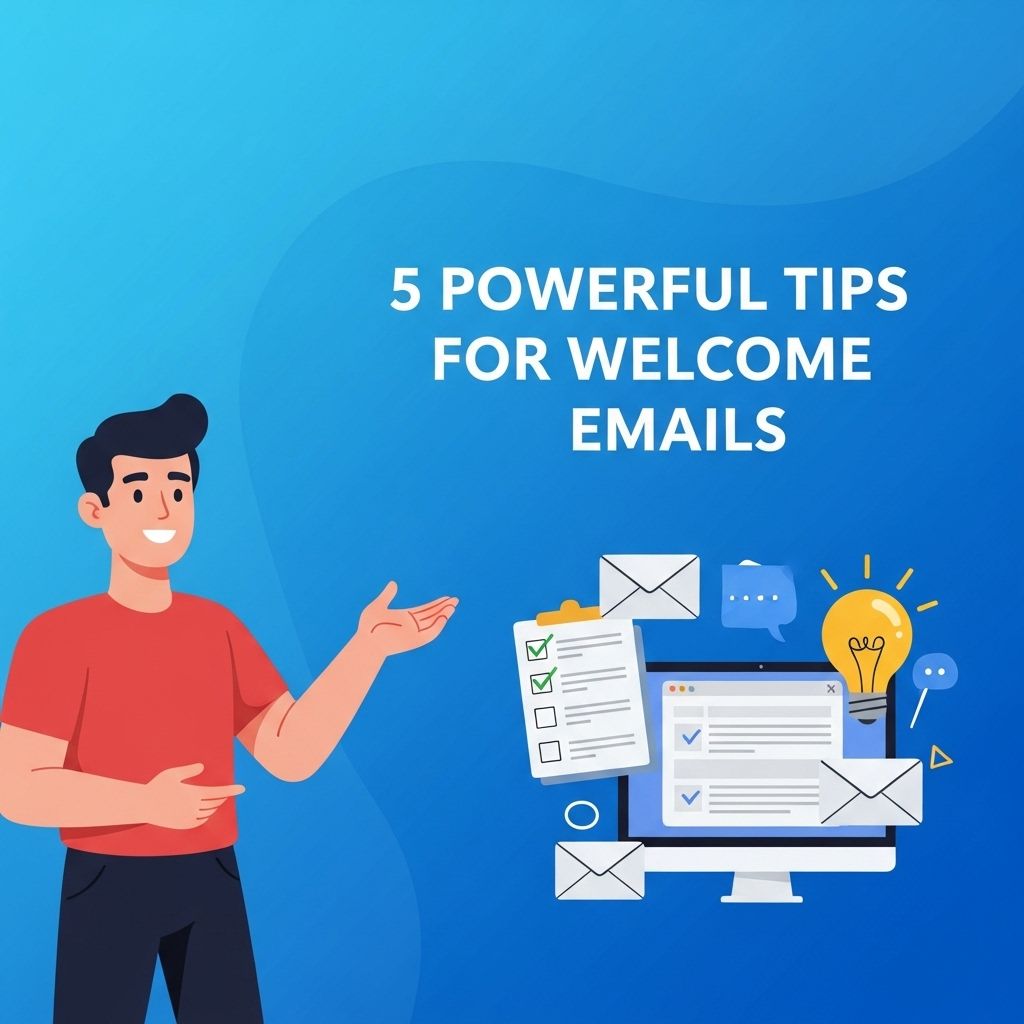
In the digital age, establishing a connection with your audience from the very first interaction is crucial, especially for businesses aiming to foster loyalty and engagement. A welcome email serves as the first impression of your brand, setting the tone for future communications. Crafting an effective welcome email is not just about saying ‘hello’—it’s an opportunity to showcase your brand’s values, share important information, and encourage new subscribers to take action. Here are five powerful tips to elevate your welcome emails and ensure they resonate with your audience.
Crafting an effective welcome email can set the tone for your relationship with new subscribers. By implementing a few key strategies, you can engage your audience from the start and encourage long-term loyalty. For inspiration on enhancing your email visuals, consider exploring resources like how to create bag mockups.
Table of Contents
1. Personalization Is Key
Personalization goes beyond including the recipient’s name in the greeting. It’s about tailoring the content to meet the specific interests and behaviors of the individual. Here are some strategies to achieve personalization:
- Segment Your Audience: Create segments based on user behavior, demographics, or preferences. This allows you to send targeted messages that are more relevant.
- Dynamic Content: Use dynamic content blocks to display different text or images based on the recipient’s profile.
- Behavioral Triggers: Send welcome emails based on specific actions, like signing up, abandoning a cart, or completing a purchase.
Example of Personalization
Instead of a generic greeting, utilize: Hi [First Name], welcome to [Brand Name]! and incorporate product recommendations based on their browsing history.
2. Clearly Communicate Value Proposition
Your welcome email should clearly articulate the value your brand brings to the table. Highlight what the subscriber can expect from your communications and how it will benefit them. This could include:
- Exclusive Content: Mention any exclusive content, tips, or resources they’ll gain access to.
- Product Benefits: Outline key benefits of your product or service that solve their pain points.
- Community Engagement: Introduce them to your community via social media or forums where they can connect with other subscribers.
Value Proposition Example
| Value Proposition | Description |
|---|---|
| Free eBook | Receive a complimentary guide to help you get started. |
| Exclusive Discounts | Access to subscriber-only discounts and promotions. |
| Regular Updates | Be the first to know about new products and updates. |
3. Craft a Compelling Subject Line
The subject line is your first chance to grab the subscriber’s attention. An effective subject line can significantly increase your open rates. Here are some tips for crafting compelling subject lines:
- Keep It Short: Aim for 50 characters or less to ensure visibility across devices.
- Create Urgency: Use phrases that instill a sense of urgency, like “Don’t miss out!” or “Start your journey now!”
- Use Actionable Language: Encourage action with verbs, such as “Discover”, “Join”, or “Unlock”.
Subject Line Examples
Consider using options like:
- “Welcome aboard! Here’s what you need to know.”
- “Thanks for joining us—let’s get started!”
- “Unlock your benefits with your new subscription!”
4. Include a Clear Call to Action (CTA)
A well-defined CTA is essential for guiding your subscribers on what to do next. Whether it’s exploring your website, completing their profile, or checking out products, your CTA should be:
- Prominent: Use contrasting colors and actionable language to make it stand out.
- Simple: The action should require minimal effort, like “Click here to start exploring!”
- Rewarding: Make sure the subscriber understands the benefit of taking action.
CTA Placement
Consider placing the CTA button both in the middle and at the end of your email for maximum visibility:
5. Use a Welcoming Tone and Engaging Design
The design and tone of your email contribute significantly to how the message is received. A few elements to consider:
- Visual Appeal: Use images, colors, and a clean layout to create an inviting atmosphere.
- Brand Voice: Ensure your tone aligns with your brand personality—be it friendly, professional, or quirky.
- Mobile Optimization: Make sure your email looks great on both desktop and mobile devices, as many users will open it on their phones.
Design Tips
When designing your email:
- Limit the number of fonts and colors for professionalism.
- Use whitespace effectively to avoid clutter.
- Incorporate your logo and brand colors for consistency.
Conclusion
A well-crafted welcome email can significantly impact user engagement and retention rates. By personalizing your message, clearly communicating your value proposition, and using compelling subject lines, engaging design, and effective CTAs, you can create an email that not only welcomes recipients but also encourages them to take action. Remember, the goal is to make your subscribers feel valued and excited about what’s to come. By implementing these five powerful tips, you can set your brand apart and build lasting relationships right from the start.
FAQ
What is the purpose of a welcome email?
A welcome email serves to greet new subscribers or customers, set expectations, and establish a positive relationship right from the start.
How can I make my welcome email stand out?
To make your welcome email stand out, use a personalized greeting, engaging visuals, and a clear, compelling subject line that captures attention.
What should be included in a welcome email?
A welcome email should include a warm welcome message, an overview of what to expect next, links to valuable resources, and any special offers or discounts.
How often should I send welcome emails?
Typically, one welcome email is sufficient, but you can follow up with a series of onboarding emails to guide new subscribers through your offerings.
What tone should I use in my welcome email?
The tone of your welcome email should reflect your brand’s personality—whether it’s friendly and casual or professional and formal—to resonate with your audience.
Can I automate my welcome email?
Yes, you can automate your welcome email using email marketing platforms, ensuring that every new subscriber receives it promptly after signing up.