As we venture deeper into the digital age, the landscape of web design continues to evolve at a rapid pace. With each year, new technologies, user preferences, and aesthetic sensibilities shape how websites are built and experienced. Looking ahead to 2025, several design trends are projected to dominate the industry, reflecting the ongoing pursuit of innovation and user engagement. This article explores the top ten web design trends that are set to redefine the online experience in the coming years.
Table of Contents
1. Dark Mode Design
Dark mode has gained immense popularity and is here to stay. This design choice not only conserves battery life on mobile devices but also reduces eye strain, especially in low-light environments. It provides a sleek, modern aesthetic that appeals to users.
Benefits of Dark Mode:
- Improved visibility in low-light conditions
- Enhanced battery efficiency for OLED screens
- Stylish and contemporary appearance
2. Minimalism with a Twist
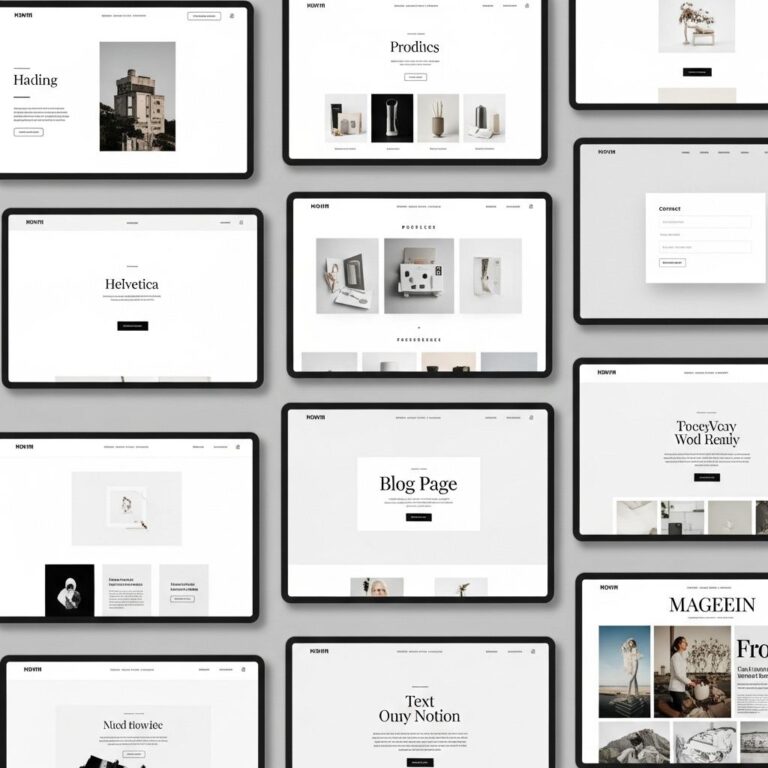
Minimalism has always been a favorite in web design, promoting simplicity and usability. However, in 2025, expect to see minimalism infused with unexpected colors, bold typography, and unique layouts to create a more engaging experience.
Key Features of Minimalist Design:
- White space that enhances focus
- Fewer elements with greater impact
- Bold accents to draw attention
3. Immersive 3D Elements
The incorporation of 3D elements into web design is becoming more accessible with advancements in technology. This trend allows designers to create dynamic and interactive experiences that captivate users.
Examples of 3D Usage:
| Application | Description |
|---|---|
| Product Visualizations | Allow users to interact with 3D models of products. |
| Animated Backgrounds | Create depth and engagement with subtle animations. |
| Virtual Reality Environments | Immersive experiences that transport users to different settings. |
4. Voice User Interfaces (VUIs)
With the rise of voice-activated technology, integrating voice user interfaces into web design is becoming crucial. Users expect to interact with websites through voice commands, making it essential for designers to accommodate this trend.
Considerations for VUIs:
- Natural language processing for better understanding
- Clear and concise feedback mechanisms
- Accessibility for all users
5. Custom Illustrations and Graphics
Unique, hand-drawn illustrations are set to replace stock images in many web designs. Custom graphics can significantly enhance brand identity and create a more personal connection with users.
Benefits of Custom Illustrations:
- Strengthens brand recognition
- Provides a distinct visual style
- Enhances storytelling capabilities
6. Augmented Reality (AR) Integration
Augmented reality is transforming the way users interact with websites. By layering digital elements over the real-world environment, AR can create a unique and interactive experience.
Potential Uses of AR:
- Virtual try-on features for e-commerce
- Interactive tutorials and guides
- Enhanced storytelling through immersive content
7. Asymmetrical Layouts
Gone are the days of rigid grid layouts. Asymmetrical designs are taking center stage, offering a more dynamic and interesting approach to website structure.
Advantages of Asymmetrical Layouts:
- Increased visual interest
- Creates a sense of movement
- Allows for creative expression
8. Sustainable Web Design
With growing awareness of climate change, sustainable web design is a trend that will resonate in 2025. This encompasses creating websites that are energy-efficient and that reduce carbon footprints.
Principles of Sustainable Design:
- Optimizing images and media for faster loading
- Minimizing code and server requests
- Using green hosting providers
9. Enhanced Micro-Interactions
Micro-interactions are subtle animations or responses to user actions that add feedback and satisfaction. As websites become more interactive, these elements will play a critical role in user engagement.
Examples of Micro-Interactions:
| Action | Feedback |
|---|---|
| Button Click | Visual change or animation to indicate action |
| Form Submission | Confirmation message or loading animation |
| Hover Effects | Animations to enrich user interactions |
10. Data Visualization as a Design Element
Effective data visualization will become a key design element, helping to simplify complex information and making it more digestible for users. Infographics and interactive charts will be essential tools for storytelling.
Applications of Data Visualization:
- Engaging infographics for blog posts
- Interactive dashboards for analytics
- Real-time data displays for user engagement
As we approach 2025, these trends will signify a shift in how web design is perceived and implemented. By embracing these innovations, designers can create more engaging, efficient, and enjoyable online experiences. Staying ahead of these trends will not only enhance usability but will also ensure that brands remain relevant in the fast-evolving digital landscape.
FAQ
What are the top website design trends for 2025?
The top website design trends for 2025 include immersive experiences, minimalism with bold typography, AI-driven personalization, dark mode preferences, and sustainable design practices.
How can I implement immersive experiences in my website design?
You can implement immersive experiences by incorporating 3D elements, virtual reality features, and interactive storytelling that engages users more deeply.
Why is minimalism important in website design?
Minimalism enhances user experience by reducing clutter, improving loading times, and focusing visitors’ attention on essential content.
What role does AI play in website design for 2025?
AI plays a significant role by enabling personalized user experiences, automating design processes, and optimizing user interfaces based on data analytics.
How can dark mode improve user experience?
Dark mode can reduce eye strain, save battery life on devices, and provide a modern aesthetic that many users prefer, especially in low-light environments.
What is sustainable web design and why is it trending?
Sustainable web design focuses on eco-friendly practices such as energy-efficient coding and using sustainable hosting services, which are increasingly important to environmentally conscious consumers.