Table of Contents
Introduction
As we move towards 2025, the landscape of website design continues to evolve at an astonishing pace. With advancements in technology and shifts in user behavior, it is crucial for businesses and web developers to stay ahead of the curve. In this article, we will explore the most significant website design trends that are expected to dominate in 2025, ensuring your site remains fresh and competitive.
As we look toward 2025, embracing the latest website design trends is essential for creating an engaging online presence. From immersive storytelling techniques to innovative layouts, these trends can significantly enhance user experience and drive engagement. To stay ahead of the curve, consider utilizing free landscape mockups to visualize your website’s potential.
1. Emphasis on Minimalism
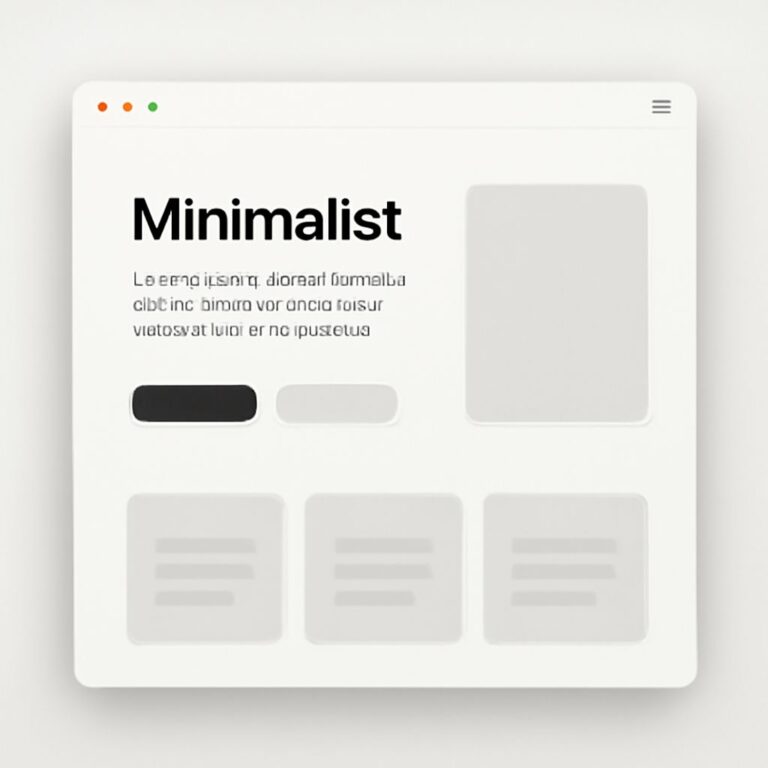
Minimalism is not just a trend; it is a philosophy that prioritizes simplicity and clarity in web design. In 2025, we can expect to see a heightened focus on minimalistic designs that enhance user experience. This can be achieved through:
- Clean layouts that eliminate unnecessary elements
- Simple color palettes that convey brand identity
- Whitespace utilization to improve readability
Benefits of Minimalism
Adopting a minimalist approach can lead to faster loading times and improved user engagement. Users are more likely to stay on sites that are visually appealing and easy to navigate.
2. Dark Mode Design
Dark mode has gained immense popularity across various platforms due to its aesthetic appeal and reduced eye strain. By 2025, we anticipate that incorporating dark mode into website designs will be standard practice. Key considerations include:
- Toggle options for users to switch between light and dark mode
- Designing graphics that look good in both modes
- Ensuring accessibility by maintaining sufficient contrast
Advantages of Dark Mode
Dark mode offers several advantages, including battery savings on OLED screens and a modern, sleek appearance that resonates with users.
3. Interactive and Engaging Elements
As user expectations rise, website interactivity has become crucial. In 2025, sites will increasingly incorporate interactive elements to enhance user engagement. This includes:
- Dynamic animations that guide users
- Micro-interactions for feedback on user actions
- Gamification techniques to encourage exploration
Examples of Interactive Elements
| Element | Purpose |
|---|---|
| Hover effects | Indicate interactivity on buttons and links |
| Scrolling animations | Create a sense of depth and engagement |
| Interactive infographics | Make data more accessible and enjoyable to digest |
4. AI-Powered Personalization
Artificial Intelligence (AI) is set to revolutionize website design by providing personalized user experiences. By analyzing user behavior and preferences, AI can tailor content, layouts, and recommendations. In 2025, we will see:
- Content that adapts to user interests in real-time
- Dynamic layouts that change based on user interaction
- Personalized marketing strategies that enhance conversion rates
Implementing AI on Your Site
Integrating AI tools can be as simple as using chatbots for customer support or complex algorithms for predictive analysis, enhancing user engagement significantly.
5. Voice User Interfaces (VUIs)
With the widespread adoption of voice-activated devices, websites will need to be optimized for voice search and interaction. In 2025, VUIs will play a critical role in web design. Key features will include:
- Voice search functionality for easier navigation
- Conversational interfaces that mimic human dialogue
- Accessibility improvements for users with disabilities
Benefits of VUIs
VUIs make browsing easier and more convenient, especially for mobile users, allowing them to interact with content hands-free.
6. Sustainability in Design
As environmental concerns become more prevalent, sustainable design practices will take center stage. By 2025, we can expect web designers to adopt eco-friendly practices, including:
- Energy-efficient hosting solutions
- Optimized images and resources to reduce carbon footprint
- Designing for longevity to avoid frequent redesigns
Eco-Friendly Practices
Implementing sustainable practices not only benefits the environment but can also enhance brand reputation among eco-conscious consumers.
7. Advanced Typography
Typography will continue to evolve, becoming an art form that enhances website aesthetics and user experience. In 2025, we will see:
- Custom fonts that reflect brand identity
- Variable fonts that adapt to different screen sizes
- Creative text layouts that break traditional norms
Choosing the Right Typography
Selecting the right typography is essential; it should be legible, reflect the brand’s personality, and create a visual hierarchy.
8. Augmented Reality (AR) Experiences
AR technology is expected to become more mainstream in web design by 2025. Businesses can create immersive experiences that engage users. This includes:
- Virtual try-ons for retail
- Interactive product demonstrations
- Location-based services that enhance real-world exploration
Benefits of AR in Web Design
Implementing AR can significantly increase user interaction and satisfaction, leading to higher conversion rates.
Conclusion
Staying updated with the latest website design trends is essential for maintaining a competitive edge in the digital landscape. By adopting minimalistic designs, embracing dark mode, enhancing interactivity, leveraging AI, optimizing for voice, prioritizing sustainability, experimenting with typography, and integrating AR, businesses can create engaging experiences that resonate with users. As we approach 2025, these trends will not only transform individual websites but will also reshape the entire online experience.
FAQ
What are the top website design trends for 2025?
The top website design trends for 2025 include minimalist designs, immersive 3D elements, advanced micro-interactions, and sustainable web practices.
How can I implement minimalist design on my website?
To implement minimalist design, focus on simplicity by using ample white space, limited color palettes, and clear typography to enhance user experience.
What are immersive 3D elements and how do they enhance websites?
Immersive 3D elements create a more engaging experience by allowing users to interact with products or services in a realistic environment, improving conversion rates.
What are micro-interactions and why are they important for web design?
Micro-interactions are small animations or design elements that provide feedback to users, enhancing user engagement and making navigation more intuitive.
How does sustainable web design impact user experience?
Sustainable web design focuses on reducing the environmental impact of websites, which can improve load times and accessibility, ultimately enhancing user experience.
What role does mobile optimization play in website design trends for 2025?
Mobile optimization is crucial as more users access websites via smartphones; responsive designs and fast-loading pages are essential for retaining visitors.