Confidence is a powerful tool that can significantly influence your personal and professional life. Whether you’re stepping into a boardroom, giving a presentation, or approaching someone new, having unshakeable confidence can make all the difference. In today’s fast-paced world, it can be challenging to maintain this confidence, but with the right tools and techniques, you can develop a strong foundation of self-assurance. In this article, we will explore five essential tools that can help you cultivate unshakeable confidence.
Building unshakeable confidence is essential for personal and professional growth, yet many struggle with self-doubt. By incorporating five essential tools into your daily routine, you can cultivate a mindset that fosters resilience and certainty. Whether it’s visualization techniques or positive affirmations, these strategies can empower you to face challenges head-on, much like selecting the right visuals for your projects, such as the best bag mockup designs.
Table of Contents
1. Mastering Self-Awareness
Understanding yourself is the first step towards building unwavering confidence. Self-awareness involves recognizing your strengths, weaknesses, values, and the thoughts and feelings that drive your behavior. Here are some ways to enhance your self-awareness:
- Journaling: Regularly writing about your thoughts and experiences can help you gain insights into your emotional patterns and triggers.
- Feedback: Seek constructive feedback from peers, mentors, or coaches to gain an external perspective on your performance and behavior.
- Mindfulness Techniques: Engage in mindfulness practices such as meditation or deep-breathing exercises to cultivate a greater awareness of your thoughts and feelings.
Benefits of Self-Awareness
By mastering self-awareness, you can:
- Recognize and manage your emotions more effectively.
- Identify areas for personal growth.
- Build authentic relationships based on transparency and openness.
2. Setting Clear Goals
Goal-setting is a crucial component of confidence. When you set clear, achievable goals, you create a roadmap for success and establish markers to measure your progress. Here’s how to set effective goals:
- SMART Goals: Ensure your goals are Specific, Measurable, Achievable, Relevant, and Time-bound.
- Break It Down: Divide larger goals into smaller, manageable tasks to avoid feeling overwhelmed.
- Visualize Success: Spend time imagining yourself achieving your goals. This mental rehearsal can reinforce your belief in your capabilities.
Types of Goals to Consider
| Type of Goal | Description |
|---|---|
| Personal Development | Goals focused on improving skills, knowledge, or personal growth. |
| Career Advancement | Professional targets aimed at climbing the career ladder or enhancing job performance. |
| Health and Wellness | Objectives related to physical fitness, mental wellbeing, or lifestyle changes. |
3. Developing a Growth Mindset
A growth mindset is a belief that your abilities and intelligence can be developed through dedication and hard work. This perspective fosters resilience and a love for learning, which are essential for building confidence. To cultivate a growth mindset, consider the following strategies:
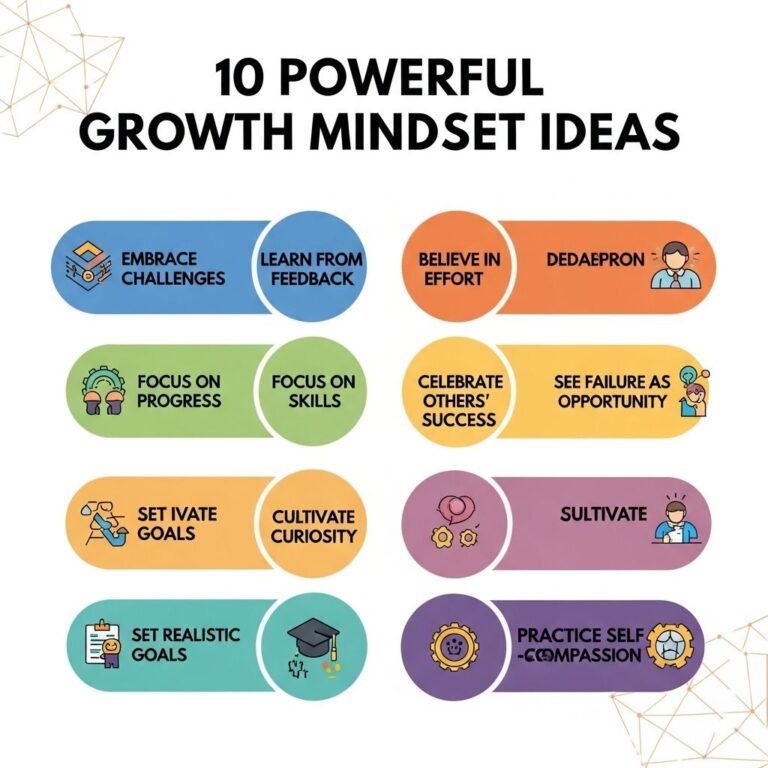
- Embrace Challenges: View challenges as opportunities for growth rather than obstacles to avoid.
- Learn from Criticism: Instead of taking criticism personally, see it as constructive feedback that can help you improve.
- Celebrate Effort: Acknowledge the effort you put into your tasks, regardless of the outcome.
Key Attributes of a Growth Mindset
People with a growth mindset often exhibit the following traits:
- Resilience in the face of setbacks.
- A continuous desire for learning and self-improvement.
- The ability to adapt to new situations and challenges.
4. Building Resilience
Resilience is the ability to bounce back from challenges, failures, and setbacks. It plays a crucial role in maintaining confidence, as it allows you to face difficulties head-on. Here are some techniques to build resilience:
- Maintain a Support System: Surround yourself with supportive and positive people who encourage your growth.
- Stay Positive: Practice positive self-talk and replace negative thoughts with constructive ones.
- Learn Problem-Solving Skills: Develop a systematic approach to problem-solving that allows you to address challenges effectively.
Steps to Cultivate Resilience
Follow these steps to enhance your resilience:
- Identify your stressors and develop coping strategies for each.
- Set realistic expectations and accept that failure is a part of growth.
- Focus on what you can control instead of dwelling on what you cannot.
5. Practicing Assertiveness
Assertiveness is the ability to express your thoughts, feelings, and needs confidently and respectfully. It is a vital skill that can significantly boost your confidence. Here are some ways to practice assertiveness:
- Use ‘I’ Statements: Communicate your feelings using statements that start with ‘I,’ which can help prevent the other person from feeling attacked.
- Stay Calm: Maintain a calm demeanor when expressing your needs, which can help you convey confidence.
- Practice Active Listening: Show that you value others’ opinions by listening attentively and responding thoughtfully.
Benefits of Being Assertive
Developing assertiveness can lead to:
- Improved self-esteem and self-respect.
- Healthier relationships through open communication.
- Better decision-making skills by expressing your needs effectively.
In conclusion, cultivating unshakeable confidence is a journey that requires consistent effort and the right tools. By mastering self-awareness, setting clear goals, developing a growth mindset, building resilience, and practicing assertiveness, you can create a solid foundation of confidence that will empower you in every aspect of your life. Remember, confidence is not an innate trait; it is a skill that can be developed and strengthened over time.
FAQ
What are the essential tools to build unshakeable confidence?
The essential tools for building unshakeable confidence include positive affirmations, visualization techniques, goal setting, self-reflection practices, and seeking feedback from trusted sources.
How can positive affirmations enhance my confidence?
Positive affirmations can enhance your confidence by reshaping your mindset, reinforcing a positive self-image, and helping you overcome negative thoughts.
What role does visualization play in building confidence?
Visualization plays a crucial role in building confidence by allowing you to mentally rehearse success, which prepares you emotionally and psychologically for real-life challenges.
Why is goal setting important for confidence?
Goal setting is important for confidence because it provides clear direction, helps you track progress, and empowers you by achieving small wins that boost your self-esteem.
How can self-reflection improve my confidence levels?
Self-reflection improves confidence levels by enabling you to understand your strengths and weaknesses, learn from experiences, and develop a growth mindset.
How does seeking feedback contribute to confidence building?
Seeking feedback contributes to confidence building by providing constructive insights, helping you to identify areas for improvement, and reinforcing your strengths through external validation.