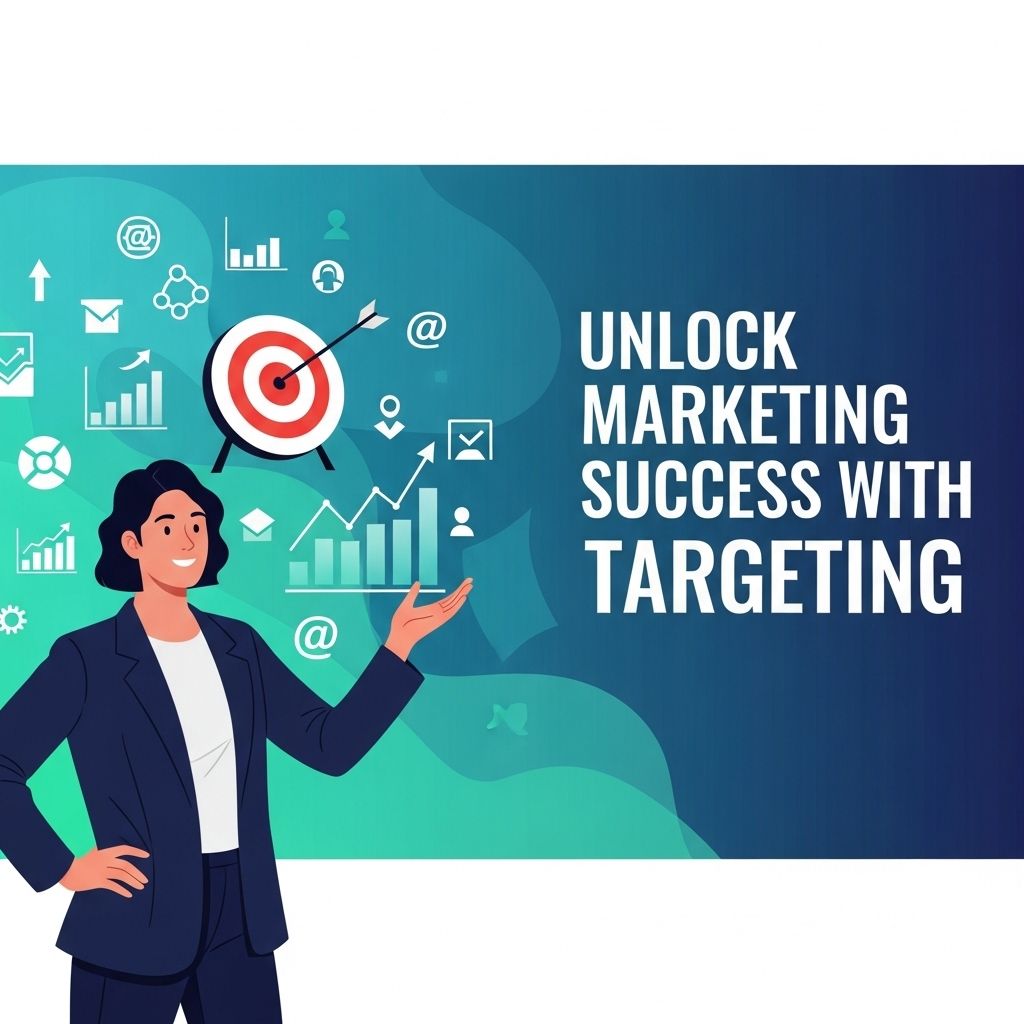
In the rapidly evolving landscape of digital marketing, understanding your audience is paramount to achieving success. Gone are the days of broad, one-size-fits-all campaigns. Today, leveraging targeted marketing strategies enables brands to connect with the right consumers at the right moment, resulting in higher engagement, improved customer satisfaction, and ultimately, increased sales. This article delves into the importance of targeting in marketing and explores effective methods to tailor your campaigns for maximum impact.
Table of Contents
Understanding Targeted Marketing
Targeted marketing refers to the practice of directing marketing efforts toward specific segments of the population based on certain criteria. This approach allows businesses to communicate more effectively and efficiently with potential customers who are most likely to engage with their products or services.
Key Benefits of Targeted Marketing
- Improved ROI: By focusing on a specific audience, businesses can increase conversion rates, leading to a better return on investment.
- Enhanced Customer Relationships: Tailored marketing helps create relevant messages that resonate with consumers, building trust and loyalty.
- Efficient Use of Resources: Targeted campaigns reduce waste by ensuring that marketing resources are spent on the audience that matters most.
- Data-Driven Decisions: Utilizing data analytics for targeting provides insights into consumer behavior, helping businesses refine their strategies.
Identifying Your Target Audience
The first step in developing a targeted marketing strategy is identifying your target audience. This involves gathering data and analyzing various factors that define your ideal customer.
Demographic Segmentation
Demographic information can be crucial in identifying who your customers are. Common demographic variables include:
| Demographic Factor | Examples |
|---|---|
| Age | 18-24, 25-34, 35-44 |
| Gender | Male, Female, Non-binary |
| Income Level | Lower, Middle, Upper Class |
| Education Level | High School, Bachelor’s Degree, Master’s Degree |
Psychographic Segmentation
This type of segmentation focuses on the psychological attributes of your audience, including their values, interests, and lifestyles. Understanding these factors can help you craft messages that resonate more deeply.
Leveraging Technology for Targeting
In today’s digital world, a myriad of tools and platforms are available to help marketers implement targeted strategies effectively.
Data Analytics and Customer Insights
Analytics platforms provide valuable insights into consumer behavior. By analyzing data such as website traffic, social media engagement, and customer purchase history, businesses can identify patterns and preferences.
Programmatic Advertising
Programmatic advertising uses algorithms and software to purchase advertisements in real time. This technology allows marketers to target specific audiences based on their online behavior, enhancing the efficiency of ad spend.
Crafting Tailored Marketing Messages
Once you have identified your target audience, the next step is to create messages that resonate with them. This requires a thoughtful approach that considers their preferences and pain points.
Personalization Strategies
Personalization is key to engaging your audience. Here are some effective strategies:
- Dynamic Content: Create dynamic email content that changes based on the recipient’s profile.
- Behavioral Targeting: Use data to send targeted messages based on user actions, such as abandoned carts.
- Segmentation: Divide your audience into smaller segments for tailored messaging.
Utilizing Multi-Channel Marketing
It’s essential to reach your audience where they are. Implementing a multi-channel approach ensures that your messages are consistent across various platforms, including:
- Email Marketing
- Social Media Advertising
- Content Marketing
- Search Engine Marketing
Measuring Success and Adjusting Strategies
After implementing your targeted marketing strategy, measuring success is critical to understanding its effectiveness and making necessary adjustments.
Key Performance Indicators (KPIs)
Establish KPIs to evaluate the success of your campaigns, such as:
| KPI | Description |
|---|---|
| Conversion Rate | The percentage of users who take the desired action. |
| Click-Through Rate (CTR) | The percentage of users who click on a specific link. |
| Customer Acquisition Cost (CAC) | The cost associated with acquiring a new customer. |
| Return on Investment (ROI) | The return generated from marketing efforts relative to the cost. |
Iterative Improvements
Based on your KPIs, make data-driven decisions to optimize your campaigns. This may involve:
- Testing different marketing channels
- Adjusting target audience segments
- Modifying messaging styles
Conclusion
Targeting is no longer just a luxury in marketing; it is a necessity. By understanding your audience and delivering personalized, relevant content, brands can not only improve engagement and loyalty but also drive significant business growth. Embrace these strategies, leverage technology, and continually adapt your approach to unlock the full potential of your marketing efforts.
FAQ
What is the importance of targeting in marketing?
Targeting allows businesses to focus their marketing efforts on specific segments of the audience, ensuring that resources are used efficiently and messages resonate with the right people.
How can I identify my target audience?
You can identify your target audience by analyzing demographics, psychographics, purchasing behavior, and conducting market research to understand their needs and preferences.
What are the different types of targeting in marketing?
The different types of targeting include demographic targeting, geographic targeting, psychographic targeting, behavioral targeting, and contextual targeting.
How does effective targeting improve ROI?
Effective targeting improves ROI by increasing conversion rates, reducing wasted ad spend, and fostering stronger customer relationships through personalized marketing.
What tools can help with audience targeting?
Tools such as Google Analytics, Facebook Ads Manager, and customer relationship management (CRM) systems can help businesses analyze data and refine their audience targeting strategies.
Can targeting evolve over time?
Yes, targeting can and should evolve over time as market conditions, consumer behaviors, and business goals change, necessitating regular reassessment and adjustment of targeting strategies.