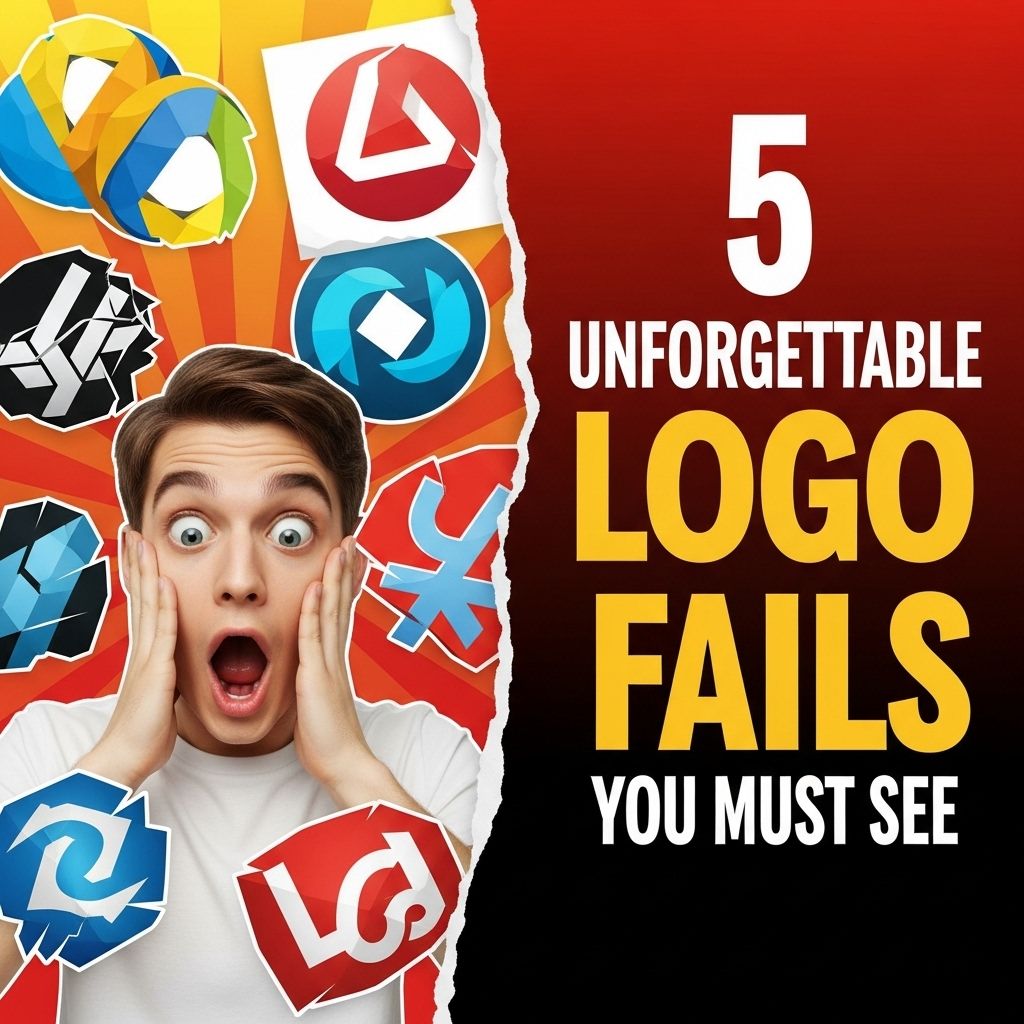
Logos are the face of a brand. They are designed to be memorable, encapsulating the essence of a company in a single image. However, history shows us that not all logos are successful. Some logos, for various reasons, become infamous rather than famous, leaving a lasting impression for the wrong reasons. Let’s delve into five unforgettable logo fails that not only missed the mark but also sparked conversations and laughter in the branding world.
In the world of branding, a logo serves as the face of a company, but not all designs hit the mark. In this article, we explore five unforgettable logo fails that highlight the importance of thoughtful design choices. For those looking to avoid such pitfalls, a wealth of inspiration can be found in various modern logo styles.
Table of Contents
1. The London 2012 Olympics
The London 2012 Olympics logo was designed to represent the vibrant and dynamic nature of the games. However, when it was unveiled, it was met with a wave of criticism. The logo features a jagged, abstract shape that some claimed looked like a complex puzzle or even a distorted version of the numbers “2012”.
Why It Failed
- Aesthetic Concerns: Critics argued that the design was too chaotic and lacked coherence.
- Color Choices: The bright colors used in the logo were considered garish by many, detracting from the traditional elegance associated with the Olympics.
- Public Response: Many felt the logo was not reflective of London’s rich history and heritage.
Impact
Despite its controversy, it became a talking point and a symbol of what not to do in logo design. The negative backlash, however, didn’t prevent the games from being a success, showcasing how a logo’s effectiveness is not solely based on public sentiment.
2. The Gap Logo Redesign
In 2010, fashion retailer Gap attempted to refresh its brand image with a new logo design. The redesign featured a simple, modern font with a blue square. However, the reaction was overwhelmingly negative, leading the company to revert to its original logo within just six days.
Reasons Behind the Fail
- Identity Crisis: The new logo did not resonate with Gap’s established brand identity.
- Logo Longevity: The original logo had been in use for over 20 years, and many customers felt a strong emotional connection to it.
- Community Feedback: The rapid backlash on social media showed the power of consumer feedback in real-time.
Lessons Learned
Gap’s logo fiasco serves as a crucial reminder that branding is about perception. Engaging with target audiences during the design process can help avoid such stark missteps.
3. Pepsi’s 2008 Logo Change
Pepsi’s brand refresh in 2008 aimed to create a modern look by altering its iconic globe logo slightly. The new design was meant to symbolize the brand’s refreshing nature, but it instead drew criticism for being too similar to a logo used by the Obama campaign.
Critiques
- Similarity to Political Branding: The logo bore resemblance to the Obama ‘O’ logo, leading to jokes about political affiliations and branding confusion.
- Lack of Originality: Many criticized the redesign as lazy and lacking creativity.
Outcome
Despite the criticism, Pepsi maintained its logo, but the controversy highlighted the importance of ensuring that brand identity is distinct and original.
4. The Tropicana Packaging Redesign
In 2009, Tropicana changed its packaging design, introducing a new logo and overall look for its juice products. Although the intent was to modernize the brand, the result was an immediate backlash from consumers who felt a strong attachment to the previous design.
What Went Wrong?
- Recognition: The new design was deemed unrecognizable and lost the familiar image that consumers had come to love.
- Consumer Attachment: The change disregarded the emotional connection and loyalty customers had with the brand.
- Sales Decline: Following the redesign, Tropicana reported a significant decline in sales, prompting them to revert to the original packaging.
Key Takeaway
This incident underlined the significance of brand recognition and the risks associated with altering a familiar logo without understanding customer sentiment.
5. The City of Melbourne’s Logo
In 2017, the city of Melbourne launched a new logo designed to represent its vibrant community. The logo featured a stylized ‘M’ but quickly faced backlash for its resemblance to a well-known chocolate brand and for its overall abstract and vague representation of the city.
Points of Contention
- Confusion: Many confused the logo with the Cadbury brand, which was detrimental for a government entity.
- Lack of Clarity: The logo’s meaning was not clear, failing to convey what Melbourne truly represents.
- Public Outcry: The public’s dissatisfaction led to an immediate discourse on social media, further emphasizing the disconnect.
Conclusion
Ultimately, the city decided to go back to the drawing board, demonstrating the importance of creating a logo that is both representative and distinctive.
Final Thoughts on Logo Design
These examples illustrate that successful logo design is not just about aesthetics; it’s about resonance, recognition, and emotional connection with the audience. A logo should encapsulate the values and identity of a brand while being easily identifiable and memorable. In the digital age, the stakes are higher than ever, and brands must be cautious about their visual representations. Learning from past mistakes can pave the way for more effective branding strategies that connect with consumers on a deeper level.
FAQ
What are some famous logo fails?
Some famous logo fails include the Pepsi logo redesign that accidentally resembled a popular political figure, and the Gap logo change that was met with public backlash, leading to a quick reversion.
Why do logo fails happen?
Logo fails often occur due to lack of research, cultural insensitivity, or miscommunication between design teams and clients.
How can companies avoid logo fails?
Companies can avoid logo fails by conducting thorough market research, getting feedback from diverse groups, and ensuring designs are culturally appropriate.
What are the consequences of a logo fail?
The consequences of a logo fail can include brand damage, loss of customer trust, and negative publicity that can affect sales.
Can a logo fail be fixed?
Yes, a logo fail can often be fixed by rebranding, which may involve a complete redesign or just minor adjustments to address the issues.
What should I do if I notice a logo fail in my business?
If you notice a logo fail in your business, it’s important to address it quickly by gathering feedback, assessing the impact, and considering a redesign.