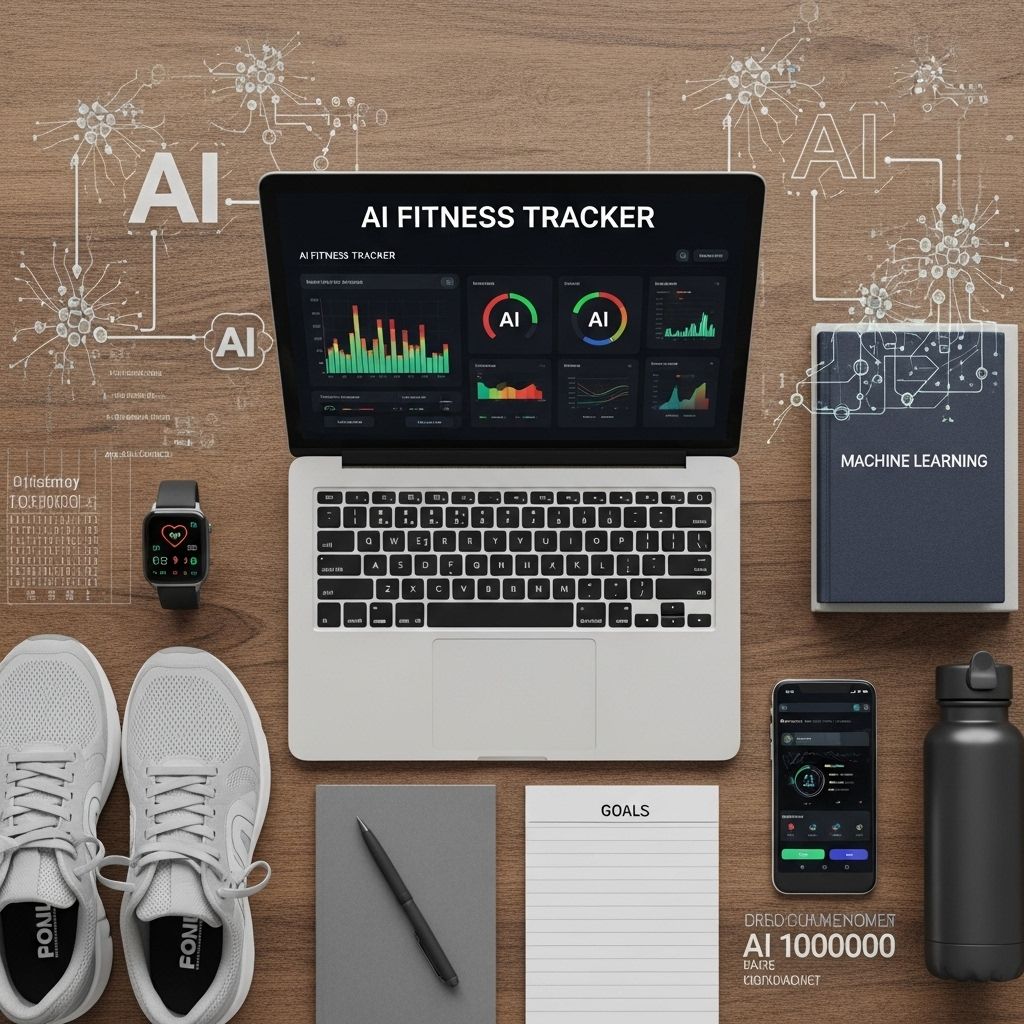
In today’s digital age, technology increasingly intertwines with our daily lives, influencing various domains, including fitness. With the rapid advancements in artificial intelligence (AI), tracking fitness goals has transformed from a manual, tedious process into a streamlined, personalized experience. Through the integration of AI, individuals can effectively monitor their progress, analyze data, and adapt their routines to achieve optimal results.
Table of Contents
Understanding AI in Fitness Tracking
Artificial intelligence encompasses algorithms and systems that can learn and adapt based on data inputs. In the fitness realm, AI applications can analyze a vast array of metrics, from workout routines to dietary habits, and provide insights that aid in achieving specific fitness goals. Here’s how AI plays a crucial role in fitness tracking:
- Data Collection: AI systems can gather data from various sources, including wearable devices, mobile apps, and social media, to provide a comprehensive view of a user’s health and fitness.
- Personalized Recommendations: By analyzing the collected data, AI can offer tailored exercise and nutrition plans that suit individual preferences and body types.
- Real-Time Feedback: Many fitness apps utilize AI to offer real-time feedback during workouts, helping users adjust their intensity and form to prevent injury.
- Goal Setting and Progress Tracking: AI algorithms can assist in establishing realistic fitness goals and continuously monitor progress, making adjustments based on performance.
Popular AI Tools for Fitness Tracking
Several AI-driven tools and applications have emerged to support fitness enthusiasts in their journey. Below are some of the most notable:
1. Wearable Devices
Wearable fitness trackers have become ubiquitous, with brands like Fitbit, Apple Watch, and Garmin leading the way. These devices typically feature:
| Device | Key Features | AI Integration |
|---|---|---|
| Fitbit | Heart rate monitoring, sleep tracking, and exercise logs | Personalized coaching based on activity levels |
| Apple Watch | Activity tracking, ECG monitoring, and customizable workouts | Intelligent workout suggestions based on health data |
| Garmin | GPS tracking, advanced performance metrics, and recovery insights | Adaptive training plans that evolve with user performance |
2. Fitness Apps
Numerous fitness applications leverage AI to create customized workout experiences. Some of the most popular include:
- Noom: Focuses on behavior change through AI-driven insights and personalized meal plans.
- MyFitnessPal: Utilizes AI to provide nutritional analysis and calorie tracking.
- Aaptiv: Offers audio-based workouts tailored to user preferences using AI algorithms.
Setting and Achieving Fitness Goals
Establishing specific fitness goals is essential for any successful fitness journey. Here are some effective strategies for setting and achieving these goals:
1. SMART Goals Framework
Utilizing the SMART (Specific, Measurable, Achievable, Relevant, Time-bound) framework can help clarify your goals:
- Specific: Define exactly what you want to achieve (e.g., running a 5K).
- Measurable: Determine how you will measure progress (e.g., track the distance and time).
- Achievable: Ensure your goal is realistic based on your current fitness level.
- Relevant: Align your goal with broader health or lifestyle objectives.
- Time-bound: Set a deadline for achieving your goal (e.g., within three months).
2. Utilizing AI Insights
Once your goals are set, leveraging AI insights can enhance your approach:
- Analyze Performance Data: Use AI platforms to review previous workouts and identify trends.
- Adjust Plans as Needed: Allow AI to suggest modifications based on your progress.
- Stay Accountable: Many apps provide reminders and motivation through AI, helping you stay on track.
Overcoming Challenges with AI Assistance
Even with advanced tools, individuals may face challenges in their fitness journeys. Here’s how AI can help address some common obstacles:
1. Lack of Motivation
Staying motivated can be one of the toughest hurdles. AI can help by:
- Providing reminders and alerts.
- Setting up friendly competitions with friends or community members.
- Offering personalized rewards for achieving milestones.
2. Time Constraints
For those with busy schedules, finding time to exercise is often a challenge. AI can offer:
- Short, high-intensity interval training (HIIT) workout suggestions.
- Flexible workout plans that adapt to available time.
- Guided sessions that maximize efficiency.
3. Injury Prevention
Injuries can derail fitness goals. AI contributes by:
- Analyzing movement patterns and providing real-time feedback on form.
- Suggesting modifications to exercises to avoid stress on vulnerable areas.
- Tracking recovery progress and recommending appropriate rest.
The Future of AI in Fitness
The integration of AI in fitness is still evolving, and its future holds exciting possibilities. Here are a few emerging trends to watch:
- Virtual Coaches: AI-driven virtual personal trainers capable of providing real-time instruction and feedback via video.
- Enhanced Personalization: Advanced algorithms that create even more tailored fitness and nutrition plans based on genetic data.
- Social Engagement: Increased connectivity among users through AI, fostering community support and motivation.
Conclusion
AI is revolutionizing how we track and achieve fitness goals, transforming the experience into one that is personalized, responsive, and data-driven. By utilizing the right tools and strategies, individuals can overcome challenges and set themselves on a path to success. As technology continues to advance, the future of fitness tracking promises to be even more innovative, empowering individuals to take charge of their health and well-being.
FAQ
How can AI help in tracking fitness goals?
AI can analyze your fitness data, track your progress, and provide personalized recommendations to help you achieve your fitness goals more effectively.
What tools can I use to track my fitness goals with AI?
There are various apps and devices, such as fitness trackers and smartwatches, that utilize AI to monitor your workouts, nutrition, and overall health.
Can AI provide personalized workout plans?
Yes, many AI-driven fitness applications can create tailored workout plans based on your fitness level, preferences, and goals.
How does AI track my progress over time?
AI systems can collect and analyze data from your workouts, helping to visualize your progress through graphs and reports, making it easier to stay motivated.
Is it safe to rely on AI for fitness tracking?
When using reputable AI fitness applications, it is generally safe; however, it’s important to consult with a healthcare professional for personalized advice.