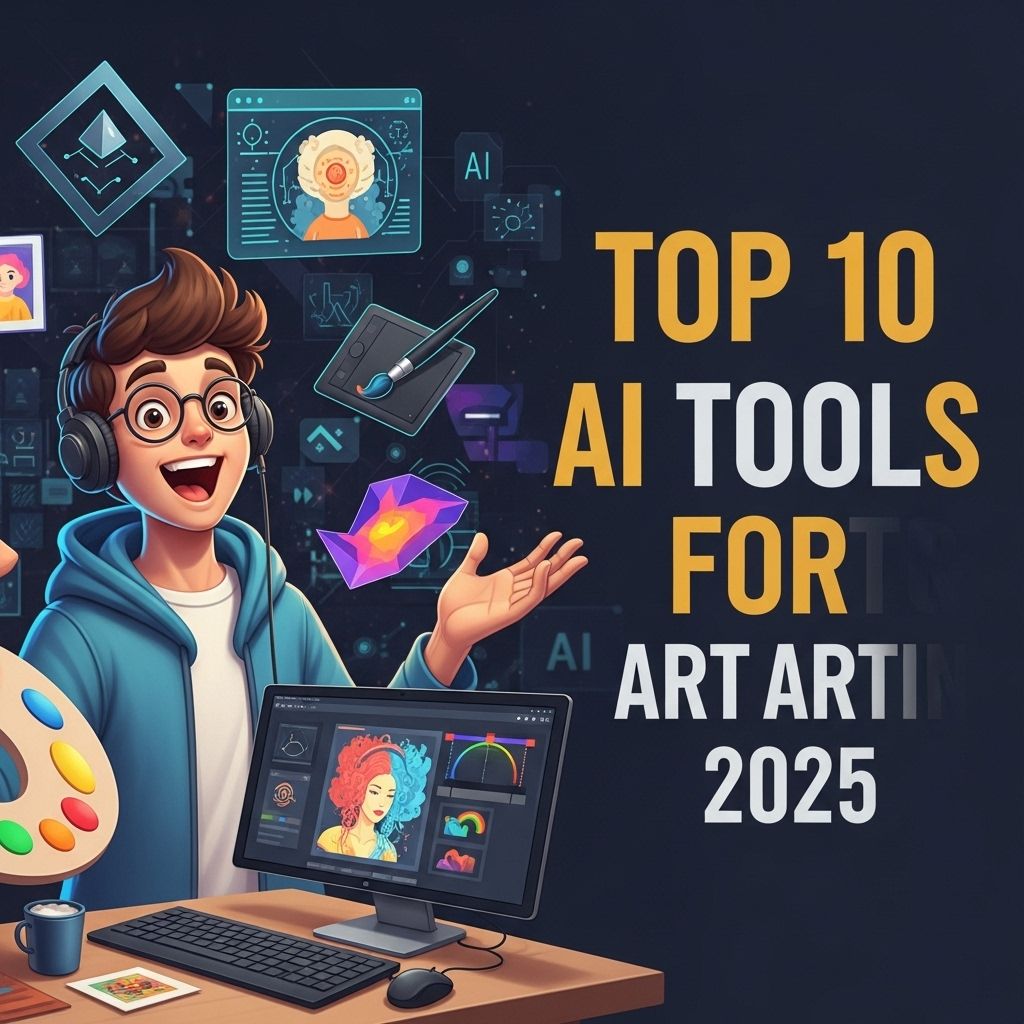
The landscape of art and creativity is undergoing a revolutionary transformation with the integration of artificial intelligence (AI) technologies. As we look forward to 2025, several AI tools are emerging that not only assist artists but also redefine the very essence of artistic expression. This article delves into the top AI tools expected to make significant impacts in the art world, providing artists and creators with innovative ways to create, collaborate, and share their works.
Table of Contents
The Rise of AI in Art
Artificial intelligence has consistently made inroads into various industries, but its influence on art is particularly profound. AI tools are no longer just about automation; they are fostering collaboration between human creativity and machine intelligence. As we move towards 2025, here are some key areas where AI is making strides in the art world:
- Generative Art: Algorithms that create unique artworks based on input parameters.
- Enhanced Creativity: Tools that provide inspiration or alternative styles to explore.
- Collaboration with Artists: AI as a co-creator rather than just a tool.
- Art Curation and Recommendation: AI that understands preferences and suggests artworks.
Top AI Tools for Artists in 2025
With these trends in mind, here is a rundown of the top ten AI tools that are set to become essential for artists in 2025.
1. DALL-E 3
DALL-E 3 represents a leap in text-to-image generation, allowing artists to create high-quality visuals from textual descriptions. Its advanced understanding of context enables users to generate surreal and realistic images, making it a powerful tool for visual storytelling.
2. Runway ML
Runway ML offers a suite of AI tools specifically designed for creators. From video editing to image generation, this platform allows artists to experiment with machine learning models without any coding skills. The intuitive interface and comprehensive toolkit make it a favorite among filmmakers and digital artists alike.
3. Artbreeder
Artbreeder employs generative adversarial networks (GANs) to allow users to blend images and create new artworks collaboratively. Artists can manipulate various aspects of images, such as colors, styles, and shapes, fostering innovative hybrid creations. Artbreeder is particularly popular in character design and landscape creation.
4. DeepArt
DeepArt utilizes neural networks to transform photos into artworks based on specific styles. By applying different artistic filters, users can recreate their images in the style of famous painters or learn to appreciate their works in a new light. It’s a tool for art lovers who want to explore different aesthetics without any artistic training.
5. NVIDIA GauGAN 2
This tool allows users to create photorealistic landscapes through simple sketches. By defining basic shapes and areas, GauGAN 2 can turn these into complex scenes, perfect for concept artists and game designers looking to visualize their ideas quickly.
6. Amper Music
Amper Music focuses on music creation, allowing artists to generate unique soundtracks for their projects. This AI tool can compose music in various styles, ensuring that artists have the perfect auditory accompaniment for their visual artworks.
7. Prisma
Prisma has gained popularity for its ability to turn photos into artworks using sophisticated filters inspired by famous styles. Its user-friendly app format means that artists can easily use it on-the-go, allowing for spontaneous creativity.
8. OpenAI Codex
For tech-savvy artists looking to create interactive art, OpenAI Codex provides a bridge between coding and creativity. This AI tool can assist artists in writing code to create dynamic art installations or applications, blending programming with artistic expression.
9. Google’s Magenta
Magenta is an open-source research project that explores the role of AI in the creative process. It offers tools for music generation, drawing, and even installations, making it invaluable for artists interested in the intersection of technology and creativity.
10. Artify
Artify is a collaborative platform that uses AI to enhance the art creation process. By integrating machine learning, it provides feedback and suggestions to artists, helping them to elevate their work. It’s particularly useful for those undergoing the creative process and looking for real-time guidance.
Conclusion
The integration of AI in the art world is not merely a trend; it’s a paradigm shift that is empowering artists to explore new realms of creativity. As we approach 2025, the tools listed above stand at the forefront of this evolution, offering innovative solutions for both seasoned artists and newcomers alike.
Through the unique capabilities of AI, artists can push the boundaries of their imagination and create works that resonate in an increasingly digital world. Whether it’s through generative art, music composition, or collaborative platforms, the future looks promising for creatives willing to embrace technology as their ally.
FAQ
What are the top AI tools for art in 2025?
In 2025, the top AI tools for art include DALL-E, Midjourney, Artbreeder, Runway ML, DeepArt, and others that enhance creativity and streamline the artistic process.
How do AI tools enhance the art creation process?
AI tools enhance the art creation process by providing artists with advanced algorithms that can generate unique designs, suggest color palettes, and automate repetitive tasks, allowing for greater focus on creativity.
Can AI tools replace traditional artists?
While AI tools can assist and augment the artistic process, they do not replace traditional artists. They serve as complementary tools that can inspire and assist in the creative journey.
Are there any free AI art tools available?
Yes, several AI art tools offer free versions or trials, such as DeepArt and Artbreeder, allowing users to experiment with AI-generated art without any cost.
What skills do I need to use AI art tools effectively?
To use AI art tools effectively, a basic understanding of digital art and design principles is beneficial, along with a willingness to experiment and learn about the specific software features.
How is AI influencing the future of art?
AI is influencing the future of art by democratizing access to creative tools, enabling new forms of expression, and challenging traditional definitions of authorship and creativity.