Running a small business can be both exhilarating and daunting. With numerous tasks to manage and limited resources, the right tools can make all the difference in streamlining operations, enhancing productivity, and driving growth. Whether you’re a startup or an established small business, selecting the right technology can provide you with a competitive edge. In this article, we will explore five essential tools that every small business should consider integrating into their operations.
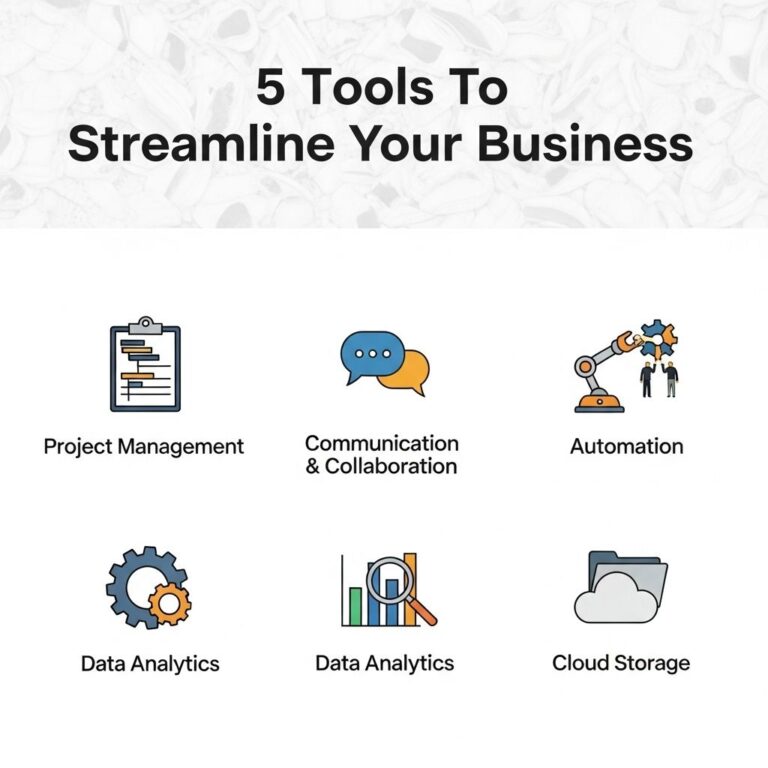
Starting a small business can be a daunting task, but having the right tools can make all the difference. In this guide, we’ll explore the top five essential tools every small business should consider to streamline operations and enhance productivity. For those looking to present their branding effectively, incorporating visuals like bag mockup visualization tips can also be invaluable.
Table of Contents
1. Project Management Software
In today’s fast-paced business environment, efficient project management is critical. Using a project management tool allows businesses to plan, execute, and track projects with ease. Here are some popular options:
- Trello: A user-friendly platform with a card-based interface that is ideal for managing small to medium-sized projects.
- Asana: Perfect for teams, Asana helps manage tasks and deadlines while offering collaboration features.
- Monday.com: A highly customizable project management tool that can adapt to various workflows.
Key Features to Look For:
- Task assignment and tracking
- Collaboration tools
- Integration with other software
2. Accounting Software
Keeping financial records organized and accurate is crucial for any business. Accounting software simplifies bookkeeping, invoicing, and financial reporting, allowing business owners to focus more on growth rather than paperwork. Popular options include:
- QuickBooks: Offers comprehensive features tailored for small businesses, including invoicing, expenses tracking, and tax preparation.
- Xero: Known for its user-friendly interface and robust features, Xero provides a cloud-based solution for managing finances.
- FreshBooks: Excellent for freelancers and small business owners, FreshBooks focuses on invoicing and expense management.
Benefits of Using Accounting Software:
- Automates repetitive tasks, saving time.
- Provides real-time financial insights.
- Ensures compliance with tax regulations.
3. Customer Relationship Management (CRM) Systems
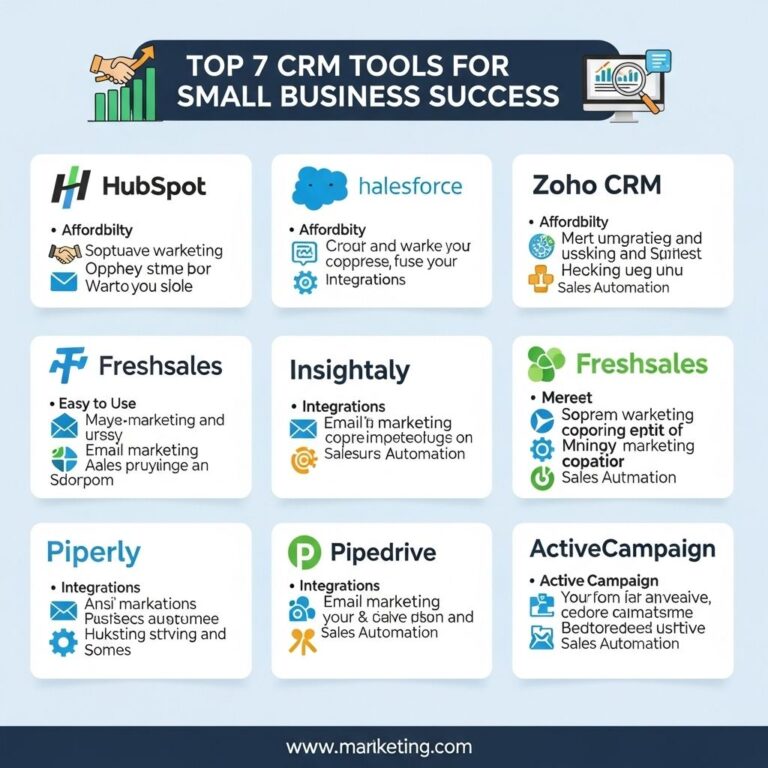
Understanding and managing customer relationships is vital for any business. A CRM system helps businesses track interactions, sales, and customer data. Here are some effective CRM tools:
- HubSpot CRM: A free tool perfect for startups, offering comprehensive features to manage customer interactions.
- Salesforce: Known for its extensive customization capabilities, Salesforce is suitable for businesses of all sizes.
- Zoho CRM: A cost-effective solution that provides a wide range of features for customer management.
Core Features of a CRM System:
| Feature | Description |
|---|---|
| Contact Management | Store and manage customer information in one place. |
| Lead Management | Track potential customers from first contact to sale. |
| Reporting and Analytics | Gain insights into customer behavior and sales trends. |
4. Collaboration and Communication Tools
In an era of remote work and diverse teams, effective communication is paramount. Collaboration tools facilitate seamless communication and file sharing among team members. Consider these tools:
- Slack: A messaging platform that allows for real-time communication and integrates with numerous applications.
- Microsoft Teams: Ideal for businesses that already use Microsoft products, offering chat, video conferencing, and file sharing.
- Zoom: Perfect for virtual meetings and webinars, ensuring that teams stay connected no matter where they are.
Features to Enhance Team Collaboration:
- Real-time messaging and notifications.
- File sharing and collaborative editing.
- Video conferencing and screen sharing capabilities.
5. Marketing Automation Tools
Marketing plays a crucial role in business growth, and automation can significantly enhance efficiency. Marketing automation tools help streamline tasks such as email marketing, social media management, and lead generation. Some recommended options include:
- Mailchimp: Excellent for email marketing campaigns, offering user-friendly templates and analytics.
- Buffer: A social media management tool that simplifies scheduling posts and tracking performance across platforms.
- HubSpot Marketing Hub: A comprehensive solution that includes email marketing, social media management, and SEO tools.
Key Benefits of Marketing Automation:
- Increases efficiency by automating repetitive tasks.
- Generates leads and nurtures them through tailored campaigns.
- Provides insights into campaign performance for informed decision-making.
Conclusion
In the modern business landscape, embracing the right tools is crucial for success. By integrating project management software, accounting systems, CRM solutions, collaboration tools, and marketing automation into your operations, you can streamline processes, enhance productivity, and improve customer relationships. As technology continues to evolve, staying informed and adapting to new tools will be essential for small business growth. Make the most of these resources to empower your team and drive your business toward success.
FAQ
What are the essential tools for small businesses?
Every small business should consider tools for project management, accounting, communication, marketing, and customer relationship management (CRM).
Why is project management software important for small businesses?
Project management software helps small businesses organize tasks, track progress, and collaborate effectively, improving overall efficiency.
How can accounting tools benefit small businesses?
Accounting tools streamline financial processes, help manage budgets, and ensure accurate tax reporting, saving time and minimizing errors.
What role does communication software play in small businesses?
Communication software facilitates seamless interaction among team members, enhancing collaboration and productivity, especially in remote work environments.
Why should small businesses invest in marketing tools?
Marketing tools enable small businesses to reach a wider audience, create targeted campaigns, and analyze performance, driving growth and customer engagement.
What is the significance of customer relationship management (CRM) software for small businesses?
CRM software helps small businesses manage customer interactions, track sales, and improve customer service, ultimately leading to increased customer loyalty and sales.