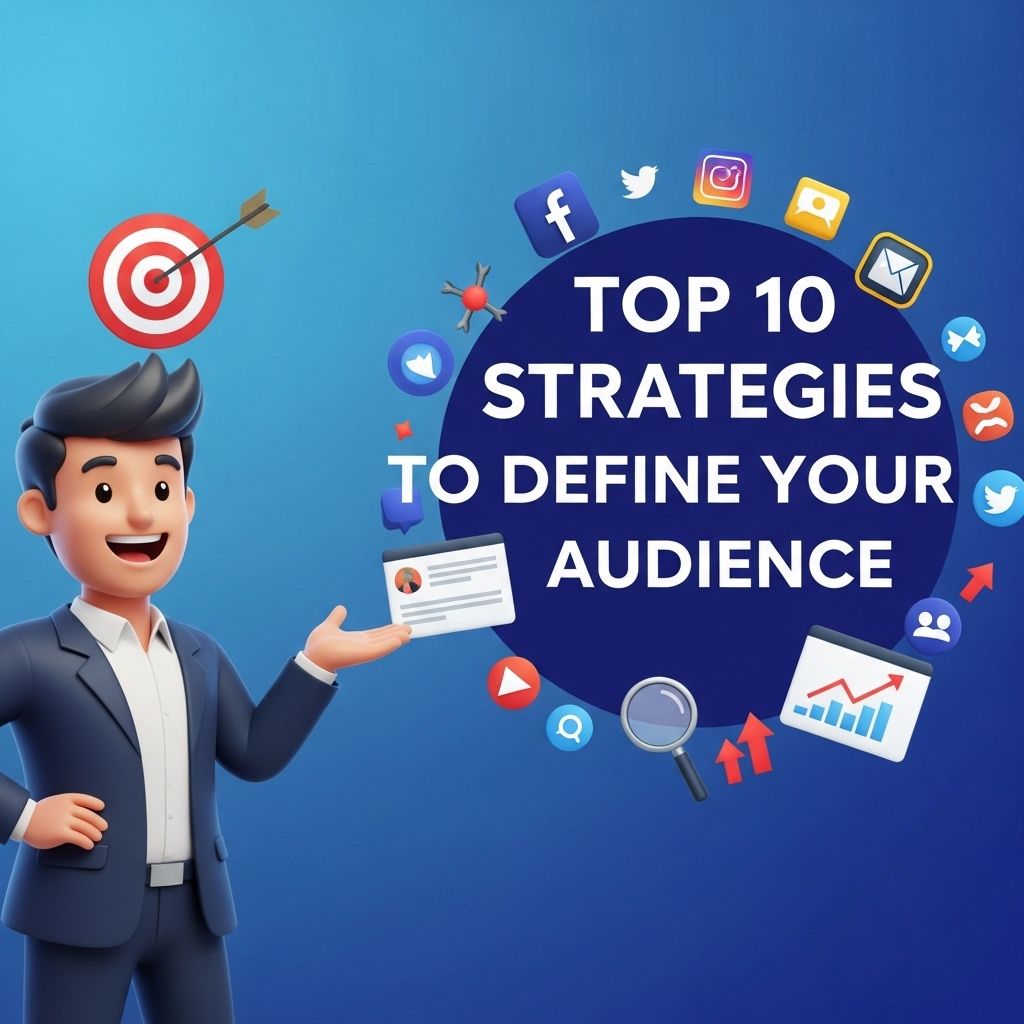
Understanding your audience is the cornerstone of effective marketing and communication strategies. By clearly defining who your audience is, you can tailor your messaging, products, and services to meet their specific needs and preferences. In today’s constantly evolving digital landscape, knowing your audience not only enhances engagement but also improves customer loyalty and ultimately drives sales. Here’s a comprehensive guide that delves into ten effective strategies to define your audience.
Defining your audience is crucial for successful marketing strategies, as it ensures your messages resonate with the right people. In this guide, we’ll explore the top 10 strategies to help you accurately identify and understand your target demographic. Whether you’re a designer seeking inspiration or a marketer aiming to refine your outreach, utilizing effective tools and techniques is essential, such as using high-quality assets like best bag mockup designs.
Table of Contents
1. Conduct Market Research
Market research is the bedrock of audience definition. It involves gathering data about your potential customers, including their interests, demographics, behaviors, and preferences. Here are the key steps:
- Identify your objectives: What do you want to learn from the research?
- Choose your research methods: Surveys, interviews, and focus groups are common approaches.
- Analyze the data: Look for trends and patterns that can inform your audience profile.
2. Create Buyer Personas
Buyer personas are fictional representations of your ideal customers based on real data and insights. Creating detailed personas can help you visualize and understand your audience better. Components of an effective buyer persona include:
- Name and demographics (age, gender, location)
- Job title and industry
- Goals and challenges
- Preferred communication channels
3. Leverage Social Media Analytics
Your social media platforms provide a wealth of data that can help you define your audience. Use analytics tools to gather insights regarding:
- Follower demographics: Age, gender, location, and interests.
- Engagement metrics: What type of content resonates with your audience?
- Growth trends: Are you gaining or losing followers? What might be influencing these changes?
4. Monitor Competitor Audiences
Your competitors can offer valuable insights into your target audience. By analyzing their audience engagement, you can identify potential gaps or opportunities:
- Use social media insights to see who follows your competitors.
- Analyze competitors’ content: What topics do they cover that engage their audience?
- Read reviews and feedback: What are customers saying about similar products or services?
5. Utilize Customer Feedback
Customer feedback is a treasure trove of information regarding audience preferences. By actively soliciting feedback through surveys, reviews, and polls, you can gain critical insights:
| Feedback Method | Purpose |
|---|---|
| Surveys | Gauge customer satisfaction and preferences. |
| Online Reviews | Understand customer pain points and delights. |
| Direct Interviews | Gain in-depth insights about customer needs. |
6. Analyze Website Traffic
Your website analytics can provide crucial information about who is visiting your site, what content is popular, and how users interact with your pages. Key metrics to monitor include:
- Demographics: Age, gender, and location of visitors.
- Traffic sources: Where are your visitors coming from?
- Page interactions: Which pages are most frequently visited?
7. Segment Your Audience
Once you have collected data, segmenting your audience can help you tailor specific messages and offerings for each group. Common segmentation criteria include:
- Demographic Segmentation (age, gender, income)
- Geographic Segmentation (location-based preferences)
- Behavioral Segmentation (purchase history, online behavior)
8. Engage with Your Audience
Building a relationship with your audience goes beyond simply knowing who they are. Engage with them through:
- Personalized emails: Tailored messaging based on user behavior or preferences.
- Social media interactions: Responding to comments and engaging in conversations.
- Webinars and live Q&As: Create opportunities for direct interaction.
9. Test and Optimize
Testing various strategies and optimizing them based on the results is vital for understanding your audience better. Consider:
- A/B testing: Compare two versions of content to see which performs better.
- Tracking KPIs: Monitor key performance indicators such as conversion rates and engagement levels.
- Iterate based on feedback: Continuously refine your strategies based on audience responses.
10. Stay Updated
The digital landscape is constantly changing, and audience preferences evolve over time. To maintain a strong understanding of your audience, regularly revisit your audience definition strategies:
- Set a schedule for periodic market research and analysis.
- Stay informed about industry trends that may affect your audience.
- Adapt to feedback and changing behaviors promptly.
Conclusion
Defining your audience is not a one-time task but an ongoing process that requires dedication and adaptation. By implementing these ten strategies, you can gain deeper insights into your audience, enhancing your ability to connect, engage, and ultimately convert them into loyal customers. In a tech-driven world, knowing your audience is more important than ever—so invest the time and effort to get it right!
FAQ
What are the top strategies to define my target audience?
The top strategies include conducting market research, creating customer personas, analyzing competitors, utilizing social media insights, and gathering feedback from existing customers.
Why is it important to define your audience?
Defining your audience is crucial as it helps tailor your marketing efforts, improve customer engagement, and increase conversion rates.
How can customer personas help in audience definition?
Customer personas help in audience definition by providing detailed profiles of ideal customers, including demographics, preferences, and behaviors, which guide marketing strategies.
What role does social media play in identifying my audience?
Social media provides valuable insights into audience demographics, interests, and behaviors, allowing businesses to refine their target audience effectively.
How often should I reassess my audience definition?
It’s advisable to reassess your audience definition regularly, at least once a year or whenever significant changes occur in the market or your business model.
What tools can I use to analyze my audience?
Tools such as Google Analytics, Facebook Insights, and survey platforms like SurveyMonkey can be effective in analyzing and understanding your audience.