In the realm of photography, the ability to tell a compelling story can transform a simple image into an emotional experience. Photographers are not just creators; they are storytellers who use their skills to convey messages, emotions, and narratives through visuals. With the right tools, they can capture the essence of a moment and engage their audience in profound ways. This article delves into the top tools that photographers can leverage to enhance their storytelling abilities.
Capturing a compelling narrative through photography requires not only technical skill but also the right tools to enhance visual stories. In this article, we explore the top 10 tools that can elevate your photography storytelling, including editing software, lighting gear, and composition aids. For those interested in showcasing your work, consider incorporating realistic bag mockup examples to give your visuals an edgy presentation: realistic bag mockup examples.
Table of Contents
Understanding Photography Storytelling
Before diving into the tools, it’s crucial to understand what makes photography storytelling impactful. It involves:
- Composition: The arrangement of elements within the frame.
- Emotion: Evoking feelings through imagery.
- Narrative: Creating a sequence or context that conveys a message.
- Technical Quality: Ensuring clarity, focus, and lighting are optimized.
Essential Tools for Photography Storytelling
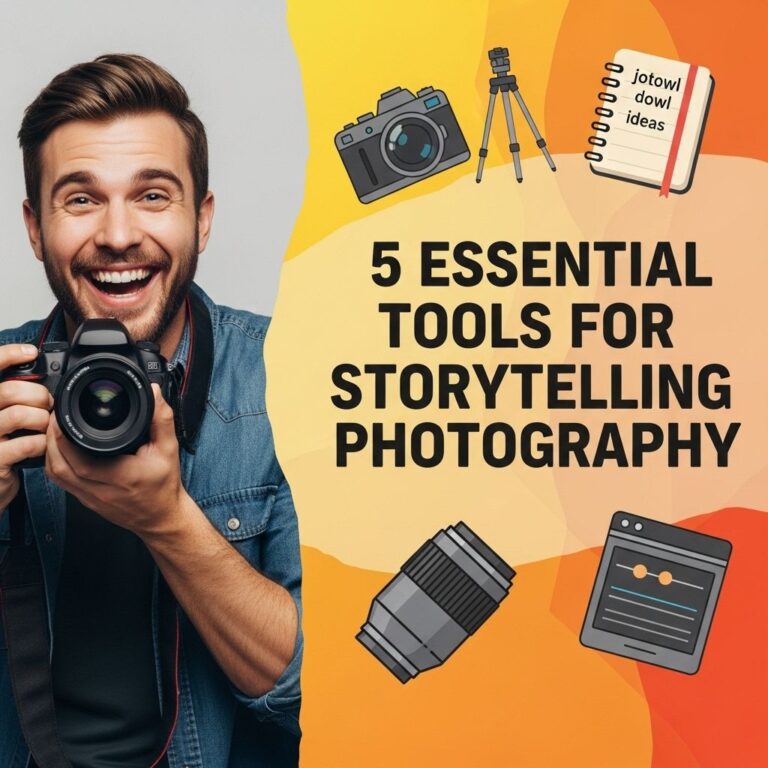
The following tools are vital for photographers looking to enhance their storytelling capabilities:
1. Camera Equipment
Your choice of camera significantly impacts the storytelling process. Here are some key pieces of equipment:
| Camera Type | Features | Ideal For |
|---|---|---|
| DSLR | Interchangeable lenses, manual controls | Versatile shooting scenarios |
| Mirrorless | Compact size, high-quality images | On-the-go photographers |
| Smartphone | Portability, accessibility | Everyday moments and social media |
2. Editing Software
Post-processing plays a crucial role in storytelling:
- Adobe Lightroom: Ideal for photo editing and organization.
- Adobe Photoshop: Advanced editing capabilities for detailed adjustments.
- Capture One: Excellent for tethered shooting and color grading.
3. Storyboarding Tools
Planning your narrative is essential for effective storytelling. Consider using:
- Milanote: A visual workspace to brainstorm and organize ideas.
- Trello: A project management tool to keep track of your shoot.
4. Lighting Equipment
Good lighting is fundamental in photography. Essential lighting gear includes:
- External Flash: For dynamic lighting adjustments.
- Reflectors: To bounce light and fill shadows.
- Softboxes: For soft, diffused lighting.
5. Lenses
Different lenses allow for varied storytelling approaches:
- Wide-angle lenses: To capture expansive landscapes.
- Telephoto lenses: For intimate portraits from a distance.
- Macro lenses: To reveal intricate details.
6. Audio Equipment
Incorporating audio into visual storytelling can enhance the narrative:
- External Microphone: For capturing high-quality sound.
- Audio Recorder: To collect environmental sounds or interviews.
7. Drones
For aerial perspectives that tell unique stories:
- DJI Mavic Series: Compact and easy to fly.
- Parrot Anafi: Offers exceptional camera quality.
8. Social Media Platforms
Sharing your stories effectively is just as important as capturing them. Utilize:
- Instagram: Great for visual storytelling through images and videos.
- Facebook: For longer narratives, combining text and visuals.
- TikTok: To create engaging short video stories.
9. Blogging Platforms
To delve deeper into your stories, consider:
- WordPress: A robust platform for detailed storytelling.
- Medium: Focuses on writing and can complement your visuals.
10. Community and Networking Tools
Engaging with fellow photographers can expand your skill set:
- Flickr: Share and get feedback on your photos.
- 500px: Showcase your portfolio and connect with others.
- Photo Meetups: Join local groups to share experiences and knowledge.
Conclusively Enhancing Your Storytelling
Utilizing the right tools can significantly elevate your photography storytelling. Whether it’s choosing the appropriate camera, leveraging editing software, or engaging with your audience through social media, each aspect plays a vital role in crafting a narrative that resonates. As a photographer, it’s essential to continually explore, learn, and adapt these tools to your storytelling needs.
Final Thoughts
Storytelling through photography is an art that requires both technical skills and a creative vision. By integrating these tools into your workflow, you can enhance your ability to convey stories that captivate and inspire your audience. Keep experimenting, and remember that every photograph has the potential to tell a unique story.
FAQ
What are the best tools for photography storytelling?
The best tools for photography storytelling include high-quality cameras, lenses, editing software like Adobe Lightroom or Photoshop, storytelling apps, and mobile editing tools.
How can I improve my photography storytelling skills?
Improving photography storytelling skills involves practicing composition, understanding light, studying visual narratives, and experimenting with different photography techniques.
What role does editing play in photography storytelling?
Editing plays a crucial role in photography storytelling by enhancing the visual narrative, correcting colors, and refining the overall mood of the images.
Are there specific apps for enhancing photography storytelling?
Yes, apps like Adobe Spark, Canva, and StoryMapJS can help enhance photography storytelling by allowing users to create compelling visual stories and presentations.
How can I choose the right camera for storytelling?
Choosing the right camera for storytelling depends on factors like your budget, desired features (such as low-light performance), and the type of stories you want to tell, whether they be portraits, landscapes, or street photography.
What are some tips for creating a narrative through photography?
Tips for creating a narrative through photography include focusing on a central theme, using a series of images to build a story, and capturing emotions and moments that resonate with viewers.