As we advance into 2025, the digital landscape continues to evolve rapidly, bringing forth new challenges in cybersecurity. With increasing reliance on technology, individuals and organizations alike must equip themselves with effective strategies to safeguard their information and systems. In this article, we will explore essential cybersecurity tips that can help mitigate risks and enhance security protocols in a dynamic cyber environment.
As we step into 2025, the importance of robust cybersecurity measures cannot be overstated. From individuals to organizations, understanding the latest threats and implementing strong defenses is key to safeguarding sensitive information. Here are the top 10 cybersecurity tips you should consider to stay safe in this ever-evolving digital landscape. For those designing promotional materials, check out these beer mockup resources for creative inspiration!
Table of Contents
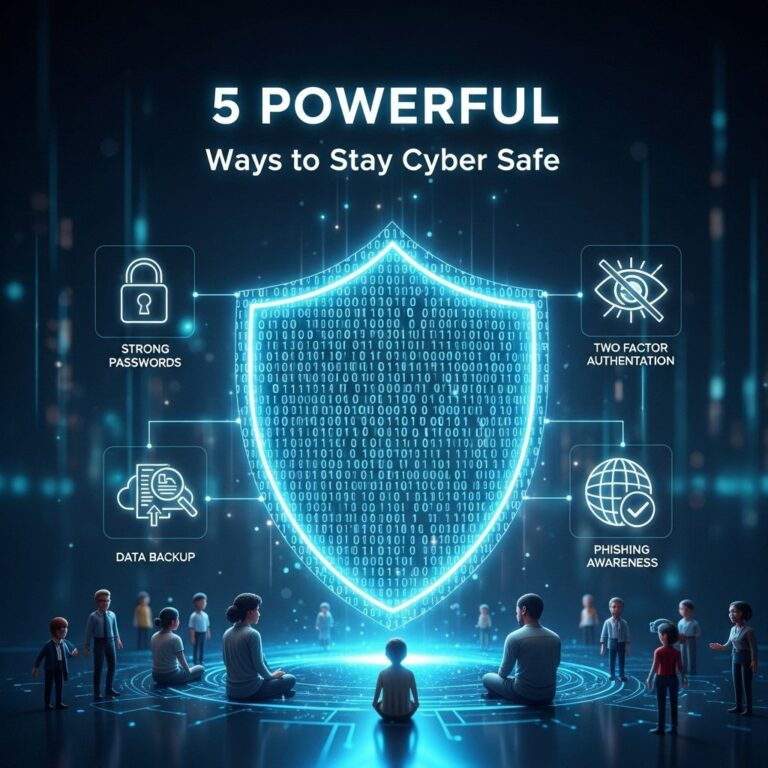
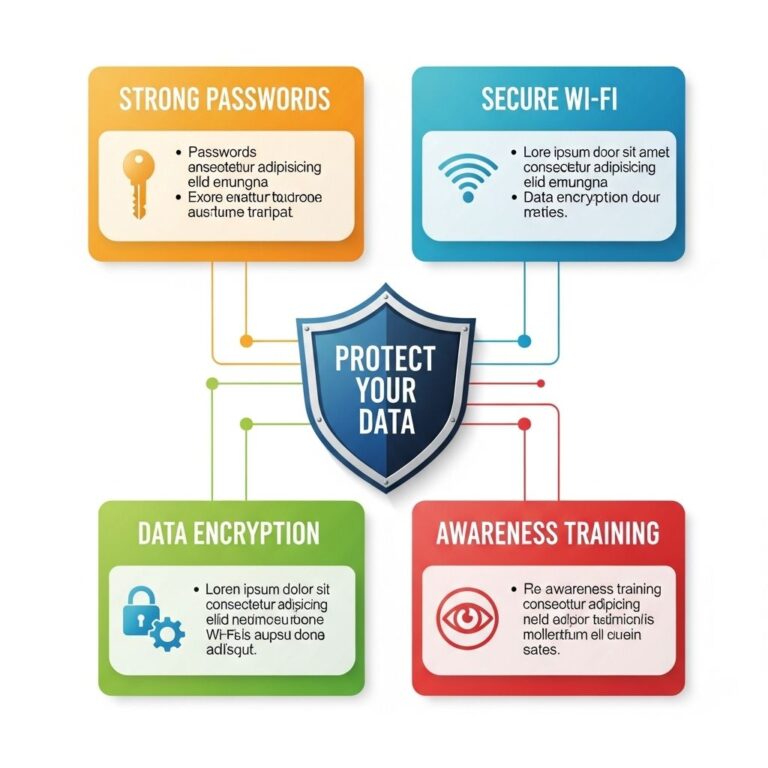
1. Strong Password Management
One of the foundational elements of cybersecurity is effective password management. Weak passwords are often the first line of attack for cybercriminals.
Best Practices for Passwords
- Use a combination of uppercase and lowercase letters, numbers, and special characters.
- Aim for passwords that are at least 12-16 characters long.
- Implement two-factor authentication (2FA) wherever possible.
- Regularly update passwords and avoid using the same password across multiple accounts.
2. Regular Software Updates
Cyber attackers often exploit vulnerabilities in outdated software. Keeping software updated is crucial to maintaining a secure environment.
What to Update?
- Operating systems
- Applications and software programs
- Antivirus and anti-malware tools
- Firmware on devices
3. Use of Advanced Security Software
Investing in robust security software can provide an additional layer of defense against malware and other cyber threats.
Features to Look For
- Real-time protection
- Firewall capabilities
- Intrusion detection systems
- Phishing protection
4. Backup Data Regularly
Data loss can occur due to various reasons, including cyberattacks, hardware failures, or natural disasters. Regular backups ensure data integrity.
Backup Strategies
- Utilize cloud storage solutions alongside local backups.
- Schedule automated backups to minimize manual effort.
- Ensure backups are encrypted and secure.
5. Educate and Train Users
Human error is a significant factor in cybersecurity breaches. Comprehensive training can empower users to recognize and respond to threats.
Training Topics
- Identifying phishing attempts
- Safe browsing practices
- How to create secure passwords
- Recognizing social engineering tactics
6. Secure Your Network
A secure network is foundational to preventing unauthorized access. Protecting both wired and wireless networks is essential.
Network Security Measures
| Measure | Description |
|---|---|
| Firewalls | Implement hardware and software firewalls to control incoming and outgoing traffic. |
| Wi-Fi Security | Use strong encryption protocols (like WPA3) and hide your SSID. |
| Network Segmentation | Divide networks into segments to limit access and exposure. |
7. Monitor Systems for Unusual Activity
Proactive monitoring can help detect and respond to suspicious activities before they escalate into major incidents.
Tools for Monitoring
- Intrusion detection systems (IDS)
- Security information and event management (SIEM) solutions
- Log management tools
8. Implement Access Controls
Restricting access to sensitive information can significantly reduce the risk of internal and external threats.
Types of Access Controls
- Role-based access control (RBAC)
- Mandatory access control (MAC)
- Discretionary access control (DAC)
9. Regular Security Audits
Conducting regular security audits can help identify vulnerabilities and ensure compliance with security policies.
What to Include in an Audit
- Network security measures
- Data protection and encryption practices
- Third-party vendor security
10. Develop an Incident Response Plan
No security measure is foolproof. Having an incident response plan can help organizations respond effectively to security incidents.
Key Components of an Incident Response Plan
- Preparation – defining roles and responsibilities
- Identification – detecting and assessing the incident
- Containment – limiting the damage and preventing further impact
- Eradication – eliminating the root cause
- Recovery – restoring systems to normal operations
- Lessons Learned – analyzing the incident to improve future responses
In conclusion, as we look toward 2025, implementing these cybersecurity tips is vital for individuals and organizations aiming to stay ahead of cyber threats. By fostering a culture of security awareness and adopting proactive measures, we can create a more resilient digital landscape.
FAQ
What are the top cybersecurity tips for 2025?
Stay updated with the latest security patches, use strong and unique passwords, enable two-factor authentication, and regularly back up your data.
How can I protect my personal information online in 2025?
Use virtual private networks (VPNs), avoid public Wi-Fi for sensitive transactions, and be cautious about sharing personal details on social media.
What role does employee training play in cybersecurity?
Regular employee training is crucial for recognizing phishing attempts and understanding security protocols, which can significantly reduce the risk of breaches.
Why is regular software updating important for cybersecurity?
Regular updates patch vulnerabilities that hackers exploit, making your systems more secure against potential threats.
How can businesses safeguard against ransomware attacks in 2025?
Implement robust backup solutions, conduct regular security assessments, and educate employees about the dangers of ransomware and safe practices.
What is the importance of using multi-factor authentication?
Multi-factor authentication adds an extra layer of security by requiring additional verification, making it harder for unauthorized users to gain access to accounts.