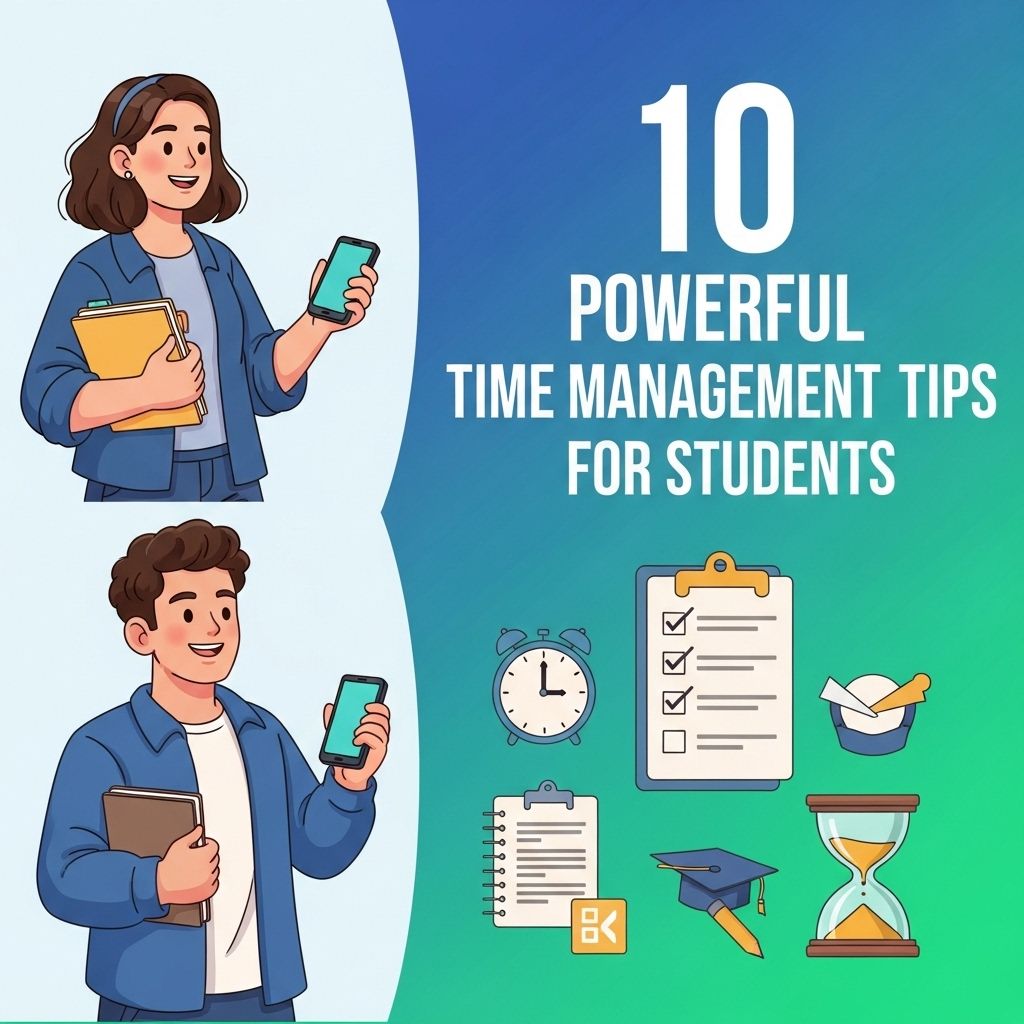
In today’s fast-paced academic environment, effective time management is crucial for students to achieve their goals. Balancing classes, assignments, extracurricular activities, and personal life can be a daunting task. However, with the right strategies in place, students can enhance their productivity and reduce stress. Here are ten powerful time management tips that can help students maximize their efficiency and achieve their academic aspirations.
Table of Contents
1. Set Clear Goals
The first step in managing your time effectively is to set clear, achievable goals. Break down your long-term objectives into smaller, manageable tasks. This will provide you with a clear roadmap and help maintain focus.
SMART Goals
Use the SMART criteria to set your goals:
- Specific: Clearly define what you want to accomplish.
- Measurable: Quantify your goals to track progress.
- Achievable: Ensure your goals are realistic.
- Relevant: Align your goals with your broader objectives.
- Time-bound: Set deadlines for each goal.
2. Prioritize Tasks
Once your goals are set, prioritize your tasks based on urgency and importance. The Eisenhower Matrix can help you categorize tasks effectively:
| Quadrant | Task Type | Action |
|---|---|---|
| 1 | Urgent and Important | Do these tasks immediately. |
| 2 | Important but Not Urgent | Schedule these tasks. |
| 3 | Urgent but Not Important | Delegate these tasks if possible. |
| 4 | Not Urgent and Not Important | Eliminate these tasks. |
3. Create a Daily Schedule
Creating a daily schedule can help you allocate your time effectively. Use a planner or digital calendar to block out time for study sessions, classes, and personal activities.
Time Blocking Technique
Consider implementing the time-blocking technique:
- Divide your day into chunks of time.
- Assign specific tasks to each time block.
- Stick to your schedule as closely as possible.
4. Eliminate Distractions
Distractions can significantly hinder productivity. Identify common distractions in your environment and take steps to minimize them.
Strategies to Reduce Distractions
- Turn off notifications on your devices.
- Create a dedicated study space.
- Use apps that block distracting websites.
5. Use Technology Wisely
Leverage technology to enhance your time management skills. There are numerous apps and tools designed to help students manage their time effectively.
Recommended Apps
| App Name | Function |
|---|---|
| Trello | Task management and organization. |
| Todoist | To-do list and task tracking. |
| Google Calendar | Scheduling and reminders. |
| Focus@Will | Music for concentration and focus. |
6. Break Tasks into Smaller Steps
Large projects can be overwhelming. Break them down into smaller, more manageable steps, making it easier to tackle them without feeling stressed.
Example of Task Breakdown
For instance, if you have a research paper:
- Select a topic.
- Conduct preliminary research.
- Create an outline.
- Write a draft.
- Edit and proofread.
7. Set Time Limits
Setting specific time limits for each task can enhance your focus and prevent procrastination. Challenge yourself to complete tasks within the allotted time.
The Pomodoro Technique
This technique involves working for 25 minutes and then taking a 5-minute break:
- Choose a task to focus on.
- Set a timer for 25 minutes.
- Work on the task until the timer goes off.
- Take a 5-minute break.
- Repeat the process and after four cycles, take a longer break.
8. Review and Reflect Regularly
Regularly reviewing your progress can help identify what strategies are working and what needs improvement. Take time at the end of each week to reflect on your accomplishments and setbacks.
Questions for Reflection
- What tasks did I complete?
- What challenges did I face?
- How can I manage my time better next week?
9. Stay Flexible
While it’s important to have a schedule, unexpected events may occur. Be prepared to adjust your plans as needed and stay flexible to accommodate changes.
Tips for Staying Flexible
- Leave buffer time in your schedule.
- Be open to re-prioritizing tasks.
- Don’t be too hard on yourself for not sticking to the plan.
10. Take Care of Yourself
Finally, prioritize your well-being. Adequate rest, nutrition, and physical activity are essential for maintaining focus and productivity.
Self-Care Tips
- Get enough sleep each night.
- Eat balanced meals.
- Incorporate exercise into your routine.
- Practice mindfulness or relaxation techniques.
By following these ten powerful time management tips, students can improve their productivity, reduce stress, and achieve their academic goals. Remember, effective time management is about finding what works best for you and adapting as necessary. Start implementing these strategies today and watch your efficiency soar!
FAQ
What are effective time management tips for students?
Effective time management tips for students include setting clear goals, creating a schedule, prioritizing tasks, breaking assignments into smaller steps, minimizing distractions, and using tools like planners or apps.
How can students prioritize their tasks effectively?
Students can prioritize tasks by using techniques such as the Eisenhower Matrix, identifying deadlines, and assessing the importance and urgency of each task.
What tools can help students with time management?
Students can use digital tools like Google Calendar, Trello, or Todoist to organize their tasks, set reminders, and track their progress.
How important is setting goals for time management?
Setting goals is crucial for time management as it gives students a clear direction, helps them focus on what matters, and motivates them to complete tasks.
What strategies can minimize distractions while studying?
To minimize distractions, students can create a designated study space, use apps to block distracting websites, and set specific times for social media and phone use.
How can breaking assignments into smaller steps improve productivity?
Breaking assignments into smaller steps makes tasks feel more manageable, reduces procrastination, and allows students to track progress more easily, leading to increased motivation and productivity.