As we step into 2025, the pace of life continues to accelerate, driven by technological advancements and evolving work environments. Managing time effectively has become more crucial than ever, as professionals and students alike seek to balance productivity with personal well-being. In this article, we will explore contemporary approaches and tools that can enhance time management skills, ensuring that you maximize your productivity and minimize stress.
Mastering time management in 2025 is essential for achieving personal and professional success in an increasingly fast-paced world. By implementing effective strategies and tools, individuals can enhance productivity and make room for creativity. For instance, leveraging resources like how to create bag mockups can save time in the design process, allowing you to focus on your core projects.
Table of Contents
Understanding Time Management in the Modern Era
Time management isn’t just about keeping a calendar or making to-do lists. It’s an intricate process that involves setting goals, prioritizing tasks, and utilizing various techniques to leverage your time optimally. Here are some core principles that define time management today:
- Goal Setting: Establishing short-term and long-term goals is essential for effective time management. Goals give you direction and help you prioritize your tasks.
- Prioritization: Knowing what tasks are most important allows you to allocate your time wisely. Techniques like the Eisenhower Matrix can help with this.
- Technology Utilization: In 2025, a variety of apps and tools can assist in tracking time, organizing tasks, and setting reminders.
Tech Tools to Enhance Time Management
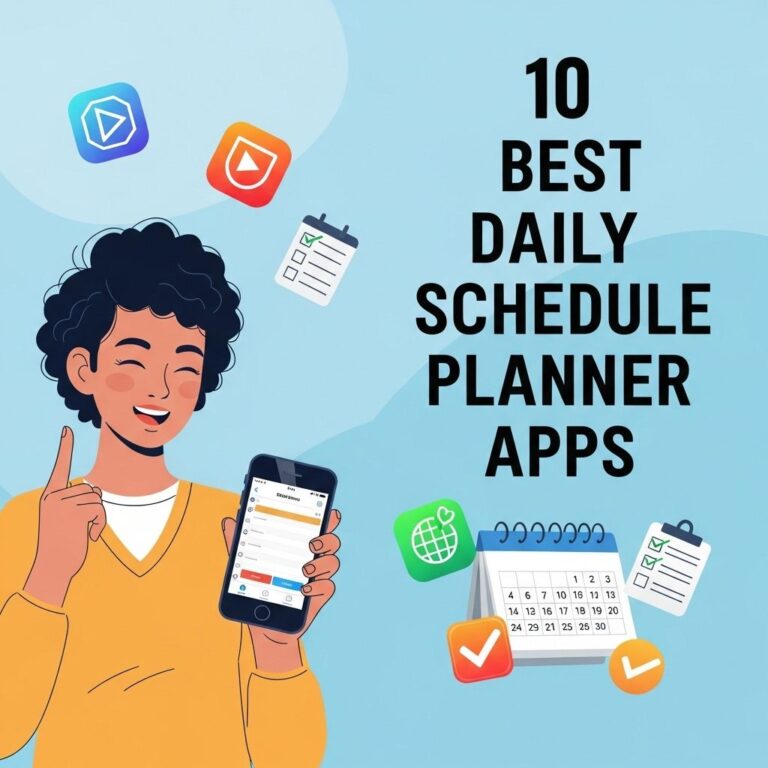
With advancements in technology, managing time has never been more efficient. Below are some of the leading tools that can help streamline your time management process.
1. Task Management Applications
Task management apps can help you organize your tasks and projects seamlessly.
| App Name | Key Features | Best For |
|---|---|---|
| Trello | Visual task board, collaboration tools, checklists | Teams and projects |
| Todoist | Task categorization, deadlines, productivity tracking | Personal task management |
| Asana | Project management, timeline views, team functionalities | Business teams |
2. Calendar Applications
Effective time management often starts with an organized calendar. Look for features that integrate with other applications.
- Google Calendar: Offers scheduling, reminders, and integrates with various productivity tools.
- Outlook Calendar: Ideal for those in corporate settings, offering scheduling and meeting management features.
3. Time Tracking Software
Understanding where your time goes is vital. Time tracking tools can provide insights into your habits.
- Toggl: Simple to use, provides reports on how you spend your time.
- RescueTime: Runs in the background and gives you detailed feedback on your productivity patterns.
Strategies for Effective Time Management
Beyond tools, certain strategies can enhance your ability to manage your time effectively.
1. The Pomodoro Technique
This popular time management method involves working in short bursts, typically 25 minutes, followed by a 5-minute break. After completing four cycles, take a longer break of 15-30 minutes. This technique helps maintain focus and reduces burnout.
2. The Eisenhower Matrix
This is a simple tool to help prioritize tasks based on their urgency and importance. It consists of four quadrants:
- Quadrant I: Urgent and Important (Do first)
- Quadrant II: Not Urgent but Important (Schedule)
- Quadrant III: Urgent but Not Important (Delegate)
- Quadrant IV: Not Urgent and Not Important (Eliminate)
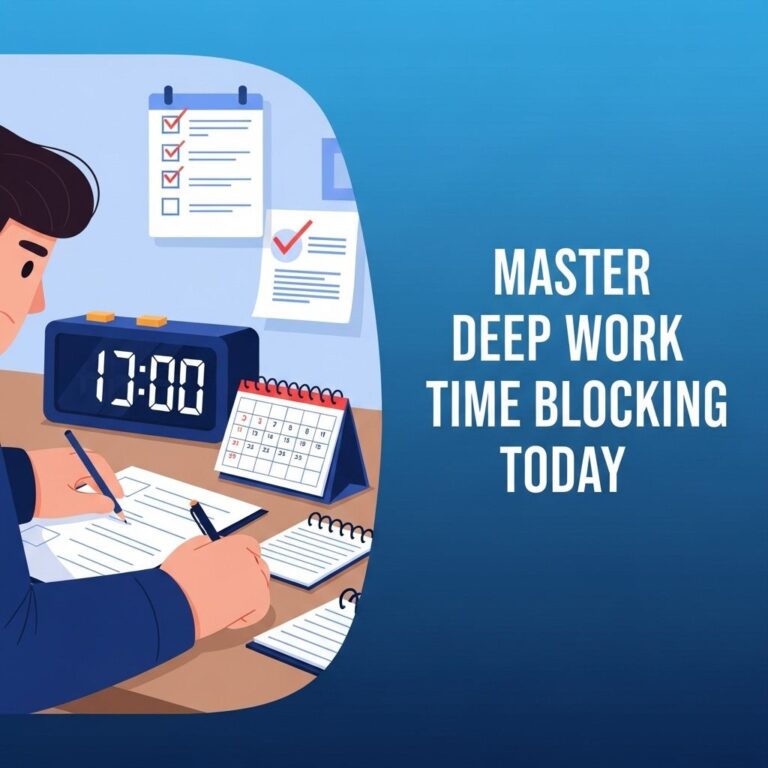
3. Time Blocking
Time blocking involves dedicating specific blocks of time to particular tasks or categories of tasks. This helps prevent multitasking and keeps you focused. Here’s how to implement it:
- Identify tasks you need to complete.
- Estimate how long each task will take.
- Create blocks of time in your calendar for each task.
Maintaining Work-Life Balance
In a world where work can easily blend into personal life, maintaining a healthy balance is crucial. Here are some tips:
- Set Boundaries: Define your working hours, and communicate them to your colleagues and family.
- Unplug After Hours: Allocate time for personal activities without digital distractions.
- Regular Breaks: Incorporate short breaks throughout your workday to recharge.
Conclusion
Effective time management in 2025 requires a blend of technology, strategy, and self-awareness. By leveraging modern tools and employing proven techniques, individuals can take control of their time, enhance productivity, and ultimately achieve a better work-life balance. Embracing these practices can lead to a more fulfilling and less stressful approach to daily responsibilities.
FAQ
What are the best techniques for time management in 2025?
In 2025, effective time management techniques include prioritizing tasks using the Eisenhower Matrix, utilizing digital tools for scheduling, and implementing time-blocking strategies to minimize distractions.
How can technology help with time management in 2025?
Technology in 2025 offers various apps and software that automate scheduling, track productivity, and send reminders, helping individuals manage their time more efficiently.
What role does mindfulness play in effective time management?
Mindfulness helps improve focus and reduces stress, allowing individuals to allocate their time more effectively by staying present and aware of their priorities.
How can I set realistic goals for better time management?
Setting SMART goals—Specific, Measurable, Achievable, Relevant, Time-bound—can help individuals create realistic timelines and stay on track with their time management.
What are common time-wasting activities to avoid in 2025?
In 2025, common time-wasting activities to avoid include excessive social media browsing, multitasking without purpose, and attending unproductive meetings.
How can I improve my work-life balance through time management?
Improving work-life balance can be achieved by setting boundaries, scheduling personal time, and prioritizing self-care activities alongside work responsibilities.