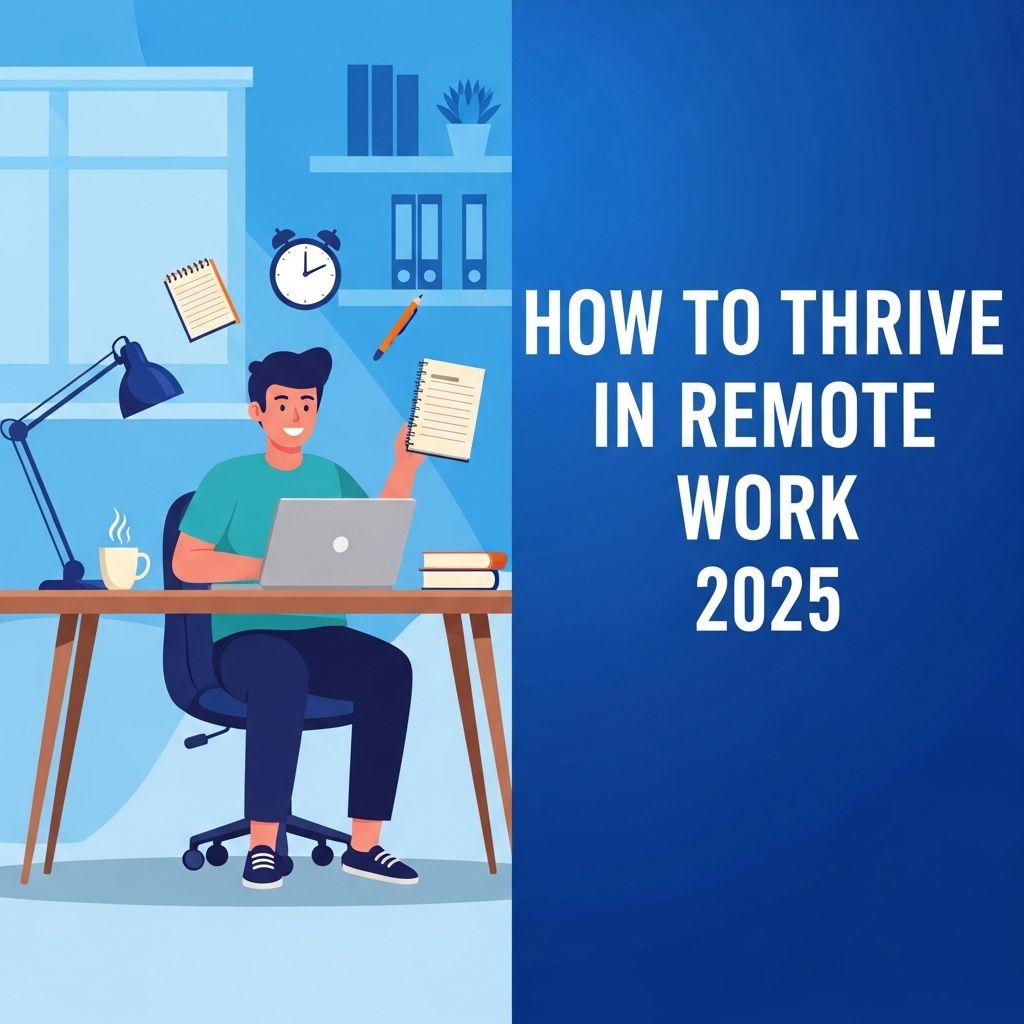
As the landscape of employment continues to evolve, remote work has become not just a trend but a significant aspect of the modern workforce. Thriving in a remote work environment requires more than just having the right technology; it calls for a strategic approach to productivity, communication, and work-life balance. This article delves into the necessary skills, tools, and practices that will help professionals excel in a remote setting by 2025.
As remote work continues to evolve, mastering the art of collaboration from home becomes essential. In 2025, staying productive and connected requires adopting new strategies and tools tailored for virtual environments. For example, utilizing resources like bag mockup templates can enhance presentations and foster creativity in branding, even from a distance.
Table of Contents
The Rise of Remote Work
Remote work has gained immense popularity in the past few years, with millions of workers enjoying the flexibility and autonomy that comes with it. According to a study by Global Workplace Analytics, the number of remote workers in the U.S. has increased by 159% since 2005. This transformation has been driven by factors such as:
- Technological advancements
- Increased demand for flexible work arrangements
- The global pandemic
Impact on Employment Trends
As companies have adapted to remote work, there have been noticeable shifts in employment trends, including:
- Greater emphasis on results-oriented performance over hours worked
- The rise of freelance and gig economy roles
- More companies offering remote positions worldwide
Essential Skills for Remote Work
To successfully thrive in a remote work setting, individuals must develop specific skills that set them apart from their peers:
1. Time Management
Effective time management is crucial for remote workers. Here are some strategies to enhance this skill:
| Strategy | Description |
|---|---|
| Pomodoro Technique | Work in focused intervals (25 minutes), followed by short breaks. |
| Time Blocking | Allocate specific periods for different tasks throughout the day. |
| Setting Boundaries | Define clear work hours to avoid burnout and maintain work-life balance. |
2. Communication
Clear and effective communication is key in a remote work environment. Consider the following communication tools:
- Slack
- Microsoft Teams
- Zoom
3. Adaptability
The ability to adapt to changing circumstances is vital. Remote work often involves:
- Learning new tools quickly
- Adjusting to different time zones
- Prioritizing tasks based on shifting deadlines
Technology and Tools
Leveraging technology can significantly enhance productivity and collaboration while working remotely. Here are some essential tools:
Project Management Software
Tools like Trello, Asana, and Monday.com allow teams to manage projects efficiently. Key features to look for include:
- Task assignments
- Progress tracking
- Deadlines and reminders
Cloud Storage
Storing files in the cloud ensures accessibility and collaboration. Popular options include:
- Google Drive
- Dropbox
- OneDrive
Virtual Collaboration Tools
Engaging with team members virtually can foster a collaborative culture. Consider using:
- Miro for brainstorming sessions
- Figma for design collaboration
- Notion for documentation and knowledge sharing
Creating an Effective Work Environment
A productive workspace is essential for success in remote work. Here are tips to create an effective environment:
1. Designate a Workspace
Having a specific area for work can help mentally separate work from personal life. Consider the following:
- Choose a quiet place
- Ensure ergonomic furniture
- Minimize distractions
2. Optimize Your Setup
Make sure your workstation is equipped with the necessary technology:
- High-speed internet connection
- Quality headset for calls
- Dual monitors for efficiency
Maintaining Work-Life Balance
Striking a balance between work and personal life is essential to avoid burnout, especially in a remote setting. Here are strategies to help maintain that balance:
1. Set Clear Boundaries
Define when your workday starts and ends to avoid the temptation of working overtime. Use tools like:
- Calendar blocking
- Task lists
2. Prioritize Self-Care
Incorporate self-care into your daily routine. Consider:
- Regular breaks
- Exercise and physical activity
- Meditation or mindfulness practices
Future Trends in Remote Work
As we look towards 2025 and beyond, several trends are likely to shape the future of remote work:
1. Increased Automation
Automation tools will continue to streamline repetitive tasks, allowing workers to focus on creativity and strategy.
2. Emphasis on Mental Health
Companies are likely to prioritize mental health initiatives, providing resources for employees to manage stress and maintain well-being.
3. Hybrid Work Models
The traditional office may evolve into a hybrid model, where employees split their time between home and the office.
Conclusion
Thriving in remote work by 2025 will require a mix of skills, tools, and a strong commitment to self-management. By embracing technology, cultivating effective communication, and prioritizing well-being, remote workers can not only survive but truly thrive in this new landscape. As we adapt to these changes, staying informed and flexible will be key to success in an ever-evolving world of work.
FAQ
What are the best practices for thriving in remote work in 2025?
To thrive in remote work in 2025, establish a structured daily routine, maintain clear communication with your team, utilize productivity tools, and create a dedicated workspace.
How can I improve my communication skills for remote work?
Improving communication skills for remote work involves being clear and concise in your messages, using video calls for more personal interactions, and actively seeking feedback from colleagues.
What technology tools are essential for remote work in 2025?
Essential technology tools for remote work in 2025 include project management software, video conferencing platforms, cloud storage solutions, and collaboration tools that enhance teamwork.
How can I maintain work-life balance while working remotely?
To maintain work-life balance while working remotely, set clear boundaries between work and personal time, schedule regular breaks, and engage in activities that promote relaxation and well-being.
What role does company culture play in remote work success?
Company culture plays a critical role in remote work success by fostering a sense of belonging, encouraging collaboration, and providing support for employees’ professional development.
How can I stay motivated while working from home?
Staying motivated while working from home can be achieved by setting specific goals, creating a positive work environment, connecting with colleagues, and rewarding yourself for completing tasks.