In today’s fast-paced world, minimalism has emerged as a powerful design philosophy that emphasizes simplicity and functionality. With a focus on essential elements, minimal design can create a serene environment that resonates with both aesthetics and practicality. In this article, we delve into various minimal design ideas that not only stand out but also create lasting impressions.
Table of Contents
Understanding Minimalism
Minimalism is more than just a design trend; it’s a lifestyle choice that advocates for the removal of excess in favor of clarity and functionality. In the realm of design, minimalism is characterized by:
- Clear lines and shapes
- A limited color palette
- Open spaces and negative space utilization
- Functional furniture and decor
The Principles of Minimal Design
To achieve a minimal design that truly wows, consider the following principles:
- Less is More: Aim for simplicity by reducing elements to only what is necessary.
- Focus on Functionality: Every piece should serve a purpose and contribute to the overall design.
- Utilize Negative Space: Allow for breathing room in your designs to create balance and harmony.
- Monochromatic Palette: Use a limited color scheme to maintain a cohesive look.
Incorporating Minimal Design in Various Spaces
Living Room
The living room is often the heart of a home, and a minimal design can create a tranquil space perfect for relaxation and socializing. Here are some ideas:
- Furniture: Opt for sleek, low-profile furniture that doesn’t overwhelm the space.
- Color Schemes: Stick to neutral colors such as whites, grays, and beiges.
- Artwork: Choose a single large piece of art instead of a gallery wall.
Bedroom
A minimal design in the bedroom can enhance tranquility and promote restful sleep. Consider these suggestions:
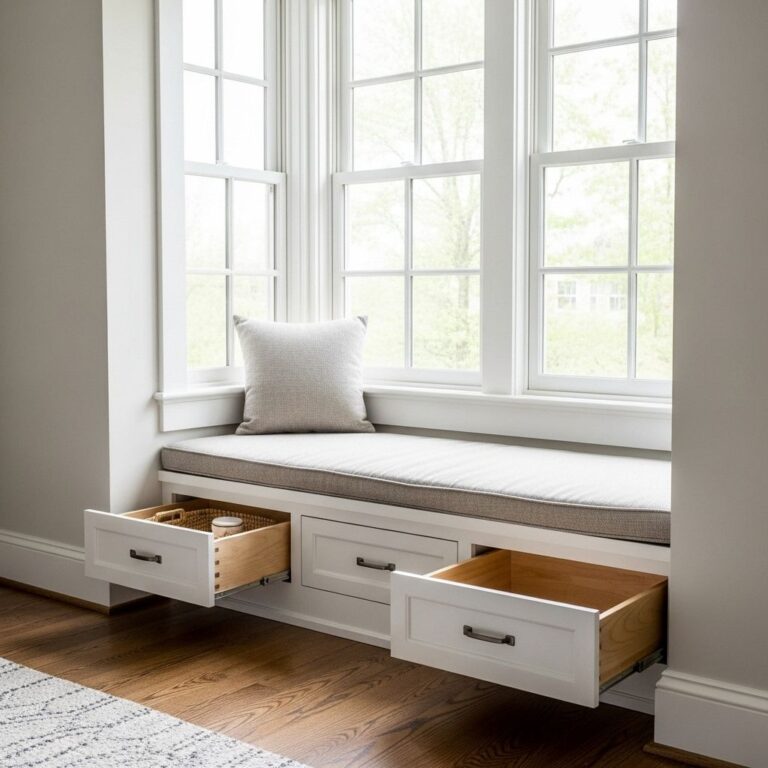
- Use a platform bed with built-in storage to maximize space.
- Incorporate layered textiles for comfort without visual clutter.
- Opt for soft, ambient lighting that can be easily adjusted.
Minimal Design for Workspaces
In our increasingly digital age, a clutter-free workspace is essential for productivity. Here are tips on how to achieve this:
Desk Setup
| Item | Description | Purpose |
|---|---|---|
| Monitor Stand | Elevates monitor to eye level | Improves posture and ergonomics |
| Minimal Desk Organizer | A simple holder for pens and papers | Reduces clutter |
| Wireless Charger | Eliminates excess cords | Keeps the workspace tidy |
Color and Material Choices
When designing your workspace, choose materials that evoke a sense of calm:
- Wood accents for warmth
- Glass surfaces for transparency
- Metal finishes for a modern edge
Minimal Design in Technology
As technology advances, minimalistic interfaces have become increasingly popular. A clean user interface can enhance user experience significantly. Consider the following aspects:
User Interface (UI) Design
Key features of minimal UI design include:
- Simplified Navigation: Intuitive layouts help users find what they need without hassle.
- Consistent Iconography: Uniform icons enhance understanding and usability.
- Whitespace: Adequate spacing improves readability and focus.
App Design
For mobile applications, minimal design can lead to better engagement. Here are some best practices:
- Limit the color palette to three primary colors.
- Utilize a single font style for readability.
- Incorporate gesture-based navigation to reduce on-screen elements.
Outdoor Minimalism
Minimalism can also extend to outdoor spaces. Here’s how to create a stunning outdoor area:
Landscaping
Focus on clean lines and simple plant choices:
- Use geometric shapes in garden beds.
- Opt for native plants that require less maintenance.
- Add stone pathways to create structure.
Patio Design
A minimal patio can serve as a serene outdoor retreat. Consider:
- Furniture with simple lines that doesn’t overpower the space.
- A fire pit as a central feature rather than multiple accessories.
- Ambient lighting to create an inviting atmosphere.
Conclusion
Embracing minimal design doesn’t mean sacrificing style; rather, it allows for a more intentional and thoughtful approach to aesthetics and function. By focusing on the essentials and creating spaces that breathe, you can achieve a design that truly wows. Whether in your home, workspace, or through technology, minimalism can enhance not just the look of a space but also the quality of life within it.
FAQ
What are minimal design ideas?
Minimal design ideas focus on simplicity and functionality, often utilizing a limited color palette, clean lines, and open spaces to create an aesthetically pleasing and uncluttered environment.
How can I incorporate minimal design into my home?
Incorporate minimal design into your home by decluttering spaces, choosing multifunctional furniture, and using neutral colors combined with a few statement pieces to create focal points.
What are some examples of minimal design in interior decoration?
Examples of minimal design in interior decoration include Scandinavian design elements, monochromatic color schemes, and the use of natural materials like wood and stone to enhance simplicity.
Why is minimal design popular?
Minimal design is popular because it promotes a sense of calm and order, reduces distractions, and allows for greater focus and creativity in both personal and professional spaces.
Can minimal design be applied to outdoor spaces?
Yes, minimal design can be applied to outdoor spaces by using simple landscaping, clean lines in hardscaping, and limited yet impactful outdoor furniture to create a serene environment.
What are the benefits of adopting a minimal design approach?
The benefits of adopting a minimal design approach include reduced stress, increased functionality, easier maintenance, and the ability to create a timeless and elegant aesthetic.