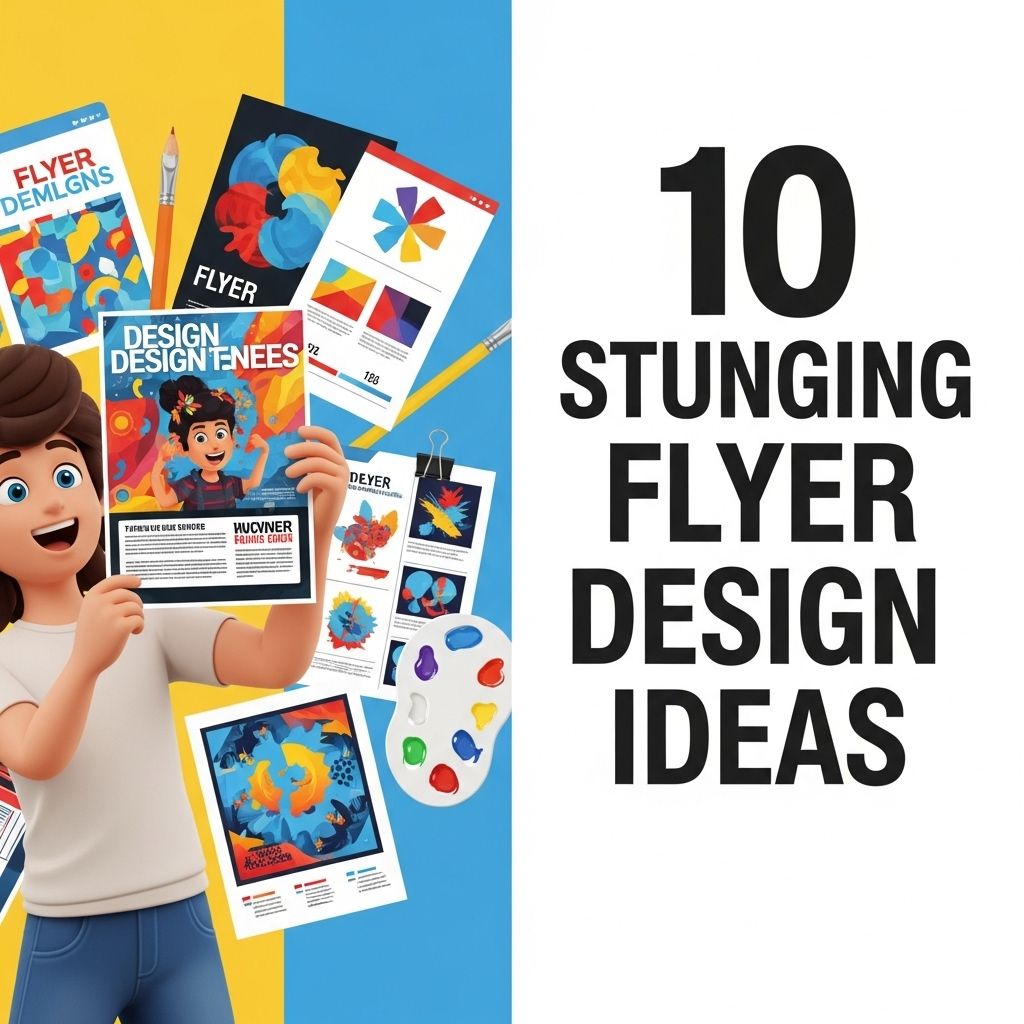
In a world where visual communication reigns supreme, the importance of a well-designed flyer cannot be overstated. Flyers serve as a powerful marketing tool, providing a tangible way to convey messages, promote events, and captivate audiences. Whether you’re a small business owner, an event planner, or simply looking to spread the word about your latest project, these stunning flyer design ideas will inspire you to create eye-catching materials that stand out from the crowd.
Table of Contents
Understanding the Basics of Flyer Design
Before diving into specific design ideas, it’s essential to grasp the foundational elements that make up an effective flyer. Here are some key principles:
- Clarity: Ensure that your message is straightforward and easy to read.
- Visual Hierarchy: Use typography and layout to guide the viewer’s eye through the content.
- Brand Consistency: Make sure your flyer aligns with your brand’s colors, fonts, and overall style.
- Call to Action (CTA): Include a clear CTA that compels the reader to take action.
1. Minimalist Elegance
A minimalist approach can be highly effective in flyer design. By using ample white space and a limited color palette, you can create a clean and sophisticated look. This style emphasizes the key message without distractions.
Key Features:
- Simple typography
- Subtle imagery
- Strategic use of colors to highlight important information
2. Bold Typography
Typography can make or break your flyer design. By using large, bold fonts, you can grab attention instantly. This design idea works particularly well for events like concerts or promotions where excitement is key.
Tips for Implementation:
- Select fonts that reflect your brand personality.
- Avoid using too many different typefaces; stick to two or three for consistency.
- Ensure that the text is legible from a distance.
3. Vibrant Colors
Utilizing a vibrant color palette can dramatically increase the visual appeal of your flyer. Experiment with contrasting colors to draw attention to specific elements and create an energetic vibe.
Best Practices:
- Use complementary colors to create visual harmony.
- Limit your palette to three or four colors to avoid overwhelming the viewer.
- Consider color psychology to evoke the desired emotion.
4. Use of Imagery
Incorporating images can enhance your flyer design significantly. High-quality visuals can convey your message more effectively than text alone.
Types of Imagery to Consider:
| Type | Description |
|---|---|
| Photography | Use striking photographs that relate to your message. |
| Illustrations | Add custom illustrations for a unique touch. |
| Icons | Utilize icons for easy navigation of information. |
5. Geometric Shapes
Geometric shapes can add a modern twist to your flyer design. They can be used as backgrounds, containers for text, or even as decorative elements.
Implementation Ideas:
- Incorporate overlapping shapes for depth.
- Use shapes to frame important information.
- Experiment with transparency for a layered effect.
6. Infographic Style
Combining text with infographic elements can make complex information more digestible. This style is particularly effective for educational flyers or reports.
Components of an Infographic Flyer:
- Charts and graphs to illustrate data.
- Icons and symbols to break up text.
- Color coding for different sections.
7. Thematic Design
Creating a flyer that reflects a specific theme or occasion can resonate with your audience. Whether it’s for a holiday event or a seasonal promotion, thematic designs can enhance engagement.
Examples of Themes:
- Holiday celebrations with festive colors and symbols.
- Seasonal designs that reflect nature (e.g., flowers for spring).
- Event-specific themes (e.g., black tie for formal events).
8. Creative Layouts
The arrangement of elements on your flyer can greatly impact its effectiveness. Experimenting with different layouts can lead to innovative designs that capture attention.
Layout Suggestions:
- Asymmetrical designs for a dynamic feel.
- Grid layouts for organized information.
- Diagonal lines for movement and excitement.
9. Textured Backgrounds
Adding texture to your flyer can create a tactile quality that draws viewers in. This could range from subtle patterns to more pronounced textures.
Types of Textures to Explore:
- Paper textures for a classic look.
- Fabric textures for warmth.
- Natural textures like wood or stone for an organic feel.
10. Interactive Elements
Incorporating interactive elements such as QR codes or tear-off sections can engage your audience in a way that traditional designs cannot. This approach creates a bridge between physical and digital marketing.
Ideas for Interactivity:
- QR codes that link to promotional videos or websites.
- Tear-off coupons for discounts.
- Add social media handles for immediate engagement.
Conclusion
Creating a stunning flyer requires a blend of creativity, strategic thinking, and knowledge of design principles. By exploring these ten design ideas, you can craft a flyer that not only grabs attention but also effectively communicates your message. Remember that the best designs resonate with the target audience and align with your overall branding strategy. Take the time to experiment, iterate, and refine your designs, and watch as your flyers transform into compelling marketing tools that drive results.
FAQ
What are the key elements of an effective flyer design?
An effective flyer design includes a clear message, eye-catching visuals, a strong call to action, and essential information such as date, time, and location.
How can I choose the right colors for my flyer?
Choosing the right colors involves considering your brand identity, the emotions you want to evoke, and ensuring good contrast for readability.
What size should my flyer be?
Common flyer sizes include 8.5×11 inches for standard flyers, but you can choose different sizes based on your distribution method and audience.
How can I make my flyer stand out?
To make your flyer stand out, use bold typography, high-quality images, unique layouts, and incorporate creative graphics or illustrations.
What type of content should I include on my flyer?
Include essential information such as the event name, date, location, description, contact information, and a compelling call to action.
Where can I find inspiration for flyer designs?
You can find inspiration for flyer designs on platforms like Pinterest, design websites, and graphic design portfolios showcasing creative works.