Writing a blog post is more than just putting words on a page; it’s about captivating the audience, delivering value, and ensuring optimal readability. This article will delve into the essential elements of structuring a blog post for maximum impact, enabling you to convey your message effectively and keep your readers engaged.
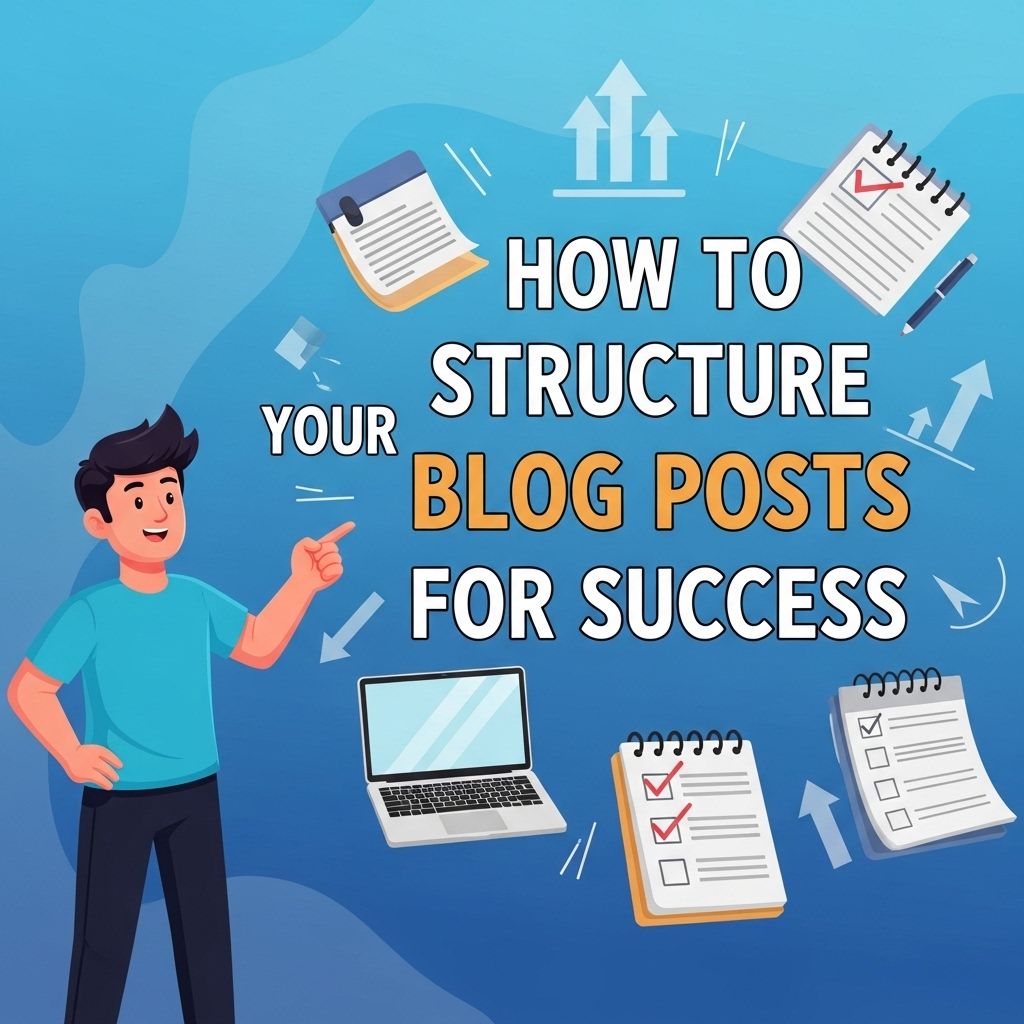
To create engaging and effective blog posts, structuring your content is essential for capturing readers’ attention and keeping them interested. Start with a compelling introduction that outlines what to expect, followed by organized sections that flow logically, and conclude with a strong summary or call to action. For those looking to enhance their visual presentations, consider utilizing resources like bag mockup templates to add professional flair to your posts.
Table of Contents
Understanding Your Audience
Before diving into the structure of your blog post, it’s vital to understand who your audience is. Knowing your readers will help tailor your content effectively.
Identifying Your Target Audience
- Demographics: Age, gender, location.
- Interests: What topics are they passionate about?
- Challenges: What problems can your blog help them solve?
By identifying these factors, you can create content that resonates and retains attention.
The Anatomy of a Blog Post
A well-structured blog post typically consists of several key components. Understanding these elements will help you create high-quality, engaging content.
1. Compelling Title
Your title is the first thing readers see and plays a critical role in attracting clicks. Here are some tips for crafting an effective title:
- Keep it concise yet descriptive.
- Use powerful words that evoke emotion.
- Incorporate keywords for SEO benefits.
2. Engaging Introduction
The introduction should grab attention and create a hook. You might include:
- A thought-provoking question.
- A startling statistic.
- A relevant short anecdote.
The goal is to entice readers to continue reading by offering them a glimpse of what’s to come.
3. Well-Organized Body
The body of your post is where you provide in-depth information. Structure it logically using headings and subheadings. Here’s how:
Use Headings and Subheadings
Breaking your content into sections improves readability. Utilize <h2> for main sections and <h3> for subsections. This hierarchy helps both readers and search engines.
Use Lists and Tables
Lists and tables can break down complex information into digestible formats. For example:
| Feature | Benefits |
|---|---|
| SEO Optimization | Improves visibility on search engines. |
| Engaging Media | Keeps reader attention through visuals. |
Incorporate Visuals
Images, infographics, and videos can enhance your content. Ensure that:
- Visuals are relevant to the text.
- You use high-quality images.
- You include alt text for accessibility.
4. Strong Conclusion
Your conclusion should summarize the main points and provide a call to action (CTA). Here’s a structure you might follow:
- Restate the key takeaways from the post.
- Invite readers to share their thoughts in the comments.
- Encourage them to subscribe or check out related content.
Optimizing for SEO
While creating engaging content is essential, optimizing for search engines cannot be overlooked. Here are some strategies to consider:
Keyword Research
Identify keywords that your audience is searching for. Tools such as Google Keyword Planner or Ahrefs can be instrumental in this process.
Meta Descriptions
Craft a compelling meta description that summarizes your post in a few sentences, including target keywords to improve search performance.
Promoting Your Blog Post
Effective Promotion Strategies
- Share on Social Media: Use platforms where your audience is active.
- Email Newsletters: Send updates to your subscribers.
- Collaborate with Influencers: Partner with influencers in your niche for wider reach.
- Engage in Online Communities: Participate in forums or Facebook groups relevant to your topic.
Measuring Success
After promotion, it’s important to measure the success of your blog post. Utilize analytics tools to track:
- Page views
- Time spent on the page
- Bounce rate
- Conversion rates
Analyzing this data will inform your future content strategies.
Conclusion
Structuring your blog posts effectively is a crucial step toward achieving success in the blogging world. By understanding your audience, crafting compelling titles, using engaging visuals, and optimizing for SEO, you’ll be able to produce high-quality content that resonates. Coupled with effective promotion and analysis, these strategies will improve your blog’s performance and grow your readership.
FAQ
What is the best structure for a blog post?
The best structure for a blog post typically includes a catchy headline, an engaging introduction, a well-organized body with subheadings, and a concise conclusion with a call-to-action.
How can I make my blog posts more SEO-friendly?
To make your blog posts more SEO-friendly, use relevant keywords throughout the content, optimize your title tags and meta descriptions, and include internal and external links.
Should I use headings and subheadings in my blog posts?
Yes, using headings and subheadings helps to break up the content for better readability and aids in SEO by structuring the information clearly.
What length should my blog posts be for maximum impact?
While there’s no one-size-fits-all answer, blog posts between 1,500 and 2,500 words tend to perform well as they provide in-depth information while keeping readers engaged.
How important is it to include images in my blog posts?
Including images in your blog posts is very important as they enhance visual appeal, break up text, and can improve SEO when properly optimized with alt tags.
What is a call-to-action and why is it important?
A call-to-action (CTA) prompts readers to take a specific action, such as subscribing to a newsletter or leaving a comment. It is important because it encourages engagement and can help drive conversions.