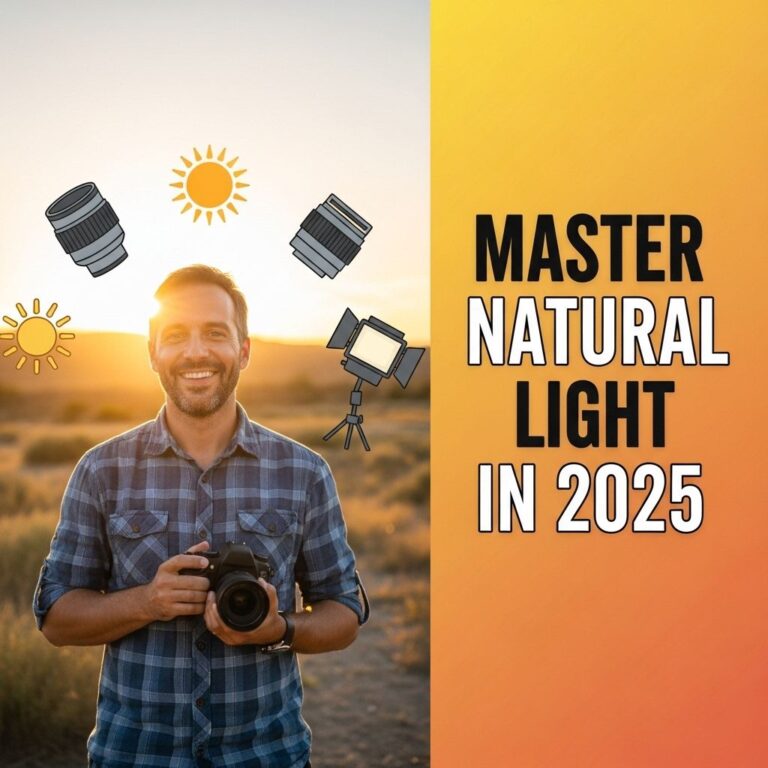
Photography is often regarded as a means of capturing moments in time, but it also has the power to tell compelling stories. A photograph can evoke emotions, capture the essence of a moment, and convey narratives far beyond what words can express. In this article, we will delve into ten powerful storytelling techniques that photographers can employ to enhance their visual narratives and engage their audience more deeply.
In the realm of photography, storytelling is an essential tool that transforms a simple image into a captivating narrative. By employing various techniques, photographers can evoke emotions, convey messages, and draw viewers into a visual tale. Discovering methods to enhance your visual storytelling can elevate your work, just as these bag mockup visualization tips offer insights for presenting your art.
Table of Contents
1. Establish a Strong Focal Point
A strong focal point is crucial in any photograph. It guides the viewer’s eye and emphasizes the central theme of the story you want to tell. Here are some tips for creating a strong focal point:
- Use Depth of Field: A shallow depth of field can isolate your subject from the background, making it stand out.
- Frame Your Subject: Use natural elements to frame your subject, drawing attention to it while adding context.
- Contrast Colors: Utilize contrasting colors to highlight the main subject against a more muted background.
2. Utilize Light and Shadows
Lighting plays a pivotal role in photography and can dramatically alter the mood and tone of your image. Consider the following lighting techniques:
Golden Hour
The golden hour, shortly after sunrise or before sunset, provides soft, warm light that enhances the atmosphere of your photos.
Silhouettes
Shooting against bright backgrounds can create compelling silhouettes, allowing viewers to interpret the story in their own way.
Play with Shadows
Experiment with shadows and how they fall on your subject. Shadows can add depth, interest, and mystery to a photograph.
3. Create Emotional Connections
Emotions are at the heart of storytelling. To evoke feelings in your audience:
- Capture Candid Moments: Unposed, genuine moments often resonate more strongly than staged ones.
- Focus on Expressions: Facial expressions can convey a wealth of emotions in a single frame.
- Use Color Psychology: Different colors elicit various emotions; for example, red can evoke passion, while blue may convey calmness.
4. Incorporate Leading Lines
Leading lines are compositional elements that guide the viewer’s eye toward the main subject. They can be roads, pathways, or any lines that draw attention. To effectively use leading lines:
- Identify natural lines in your environment.
- Position your subject at the end of the leading line.
- Experiment with different angles to see how the lines interact with your subject.
5. Use Visual Metaphors
Visual metaphors can add layers to your storytelling. They allow you to convey deeper meanings and associations in your photographs. Consider the following:
- Symbolism: Choose subjects that symbolize broader concepts, such as a wilting flower representing lost hope.
- Juxtaposition: Place contrasting elements next to each other to highlight differences, such as an old building beside a new skyscraper.
- Repetition: Repeating elements within your frame can suggest themes and ideas.
6. Experiment with Perspective
Changing your perspective can drastically alter the story your photograph tells. To experiment with perspective:
Low Angle
Shooting from a low angle can make your subject appear more powerful or significant.
High Angle
A high angle can evoke a feeling of vulnerability or insignificance in the subject.
Close-Ups
Close-up shots can reveal intricate details and emphasize emotions, enhancing the narrative.
7. Develop a Narrative Arc
Every powerful story has a beginning, middle, and end. In photography, this can be represented through a series of images that together tell a complete story:
- Beginning: Set the scene with an establishing shot.
- Middle: Introduce conflict or action that propels the story forward.
- End: Provide a resolution or conclusion to the narrative.
8. Capture Context and Setting
The surrounding environment can provide essential context to your subject. Consider including:
- Environmental Portraits: Showcase your subjects within their surroundings to provide context to their story.
- Wider Shots: Include landscapes or architecture to place your subject within a broader narrative framework.
9. Use Textures and Patterns
Textures and patterns can add visual interest and depth to your photographs. Techniques include:
- Focus on Textures: Capture the tactile quality of surfaces, such as wood grain or fabric, to evoke sensory responses.
- Incorporate Patterns: Symmetrical patterns can create harmony and balance, while irregular patterns can evoke chaos.
10. Edit Thoughtfully
Post-processing can enhance the storytelling aspect of your photography. Here are some editing techniques to consider:
- Color Grading: Adjust color tones to match the mood you wish to convey.
- Cropping: Remove distractions from the frame to keep attention on the subject.
- Vignetting: Darkening the edges of a photo can draw the eye inward, focusing on the central theme.
In conclusion, storytelling through photography is about more than just capturing an image. By employing these ten powerful techniques, photographers can create visually stunning and emotionally resonant stories that captivate their audience. Whether you’re an aspiring photographer or a seasoned pro, honing these skills will elevate your work and enhance your storytelling abilities.
FAQ
What are the key storytelling techniques for photography?
Some key storytelling techniques for photography include using composition, lighting, subject selection, and emotional connection to create a narrative.
How can I create emotion in my photographs?
To evoke emotion, focus on capturing genuine moments, use expressive subjects, and utilize lighting to enhance the mood.
What role does composition play in visual storytelling?
Composition guides the viewer’s eye and can emphasize the main subject, create balance, or evoke specific feelings to enhance the story.
How can I use lighting effectively in storytelling photography?
Lighting can set the tone and atmosphere; experimenting with natural or artificial light can dramatically change the narrative of your images.
Why is subject selection important in photography storytelling?
Choosing the right subject helps convey the story you want to tell, as different subjects can evoke various emotions and interpretations.
Can I tell a story through a single photograph?
Yes, a single photograph can encapsulate a moment or emotion that tells a larger story, especially with strong composition and context.