Photography is more than just capturing a moment; it’s about telling a story that resonates with the viewer. Every photograph has the potential to evoke emotions, convey messages, and transport an audience to a different time and place. To truly master the art of storytelling in photography, one must harness various techniques that will enhance the narrative power of images. In this article, we will explore ten powerful storytelling techniques that photographers can use to create compelling visual narratives.
Table of Contents
1. Understand the Subject Matter
Before you even lift your camera, it’s crucial to have a deep understanding of the subject you are photographing. Whether it’s a person, an event, or a landscape, knowing the background, emotions, and significance can help you craft a more meaningful story. Here are some steps to consider:
- Research the history and context of your subject.
- Engage with your subjects to capture their true essence.
- Think about how you can convey the subject’s emotions through your images.
2. Use Composition Wisely
The way you compose a photograph can significantly impact its storytelling ability. Composition refers to how different elements are arranged within the frame. Here are some effective techniques:
Rule of Thirds
By dividing your frame into a grid of nine equal sections, you can position key elements along these lines or at their intersections, which naturally draws the viewer’s eye.
Leading Lines
Use natural lines within your scene (like roads or rivers) to guide the viewer’s eye towards the main subject, creating a journey through the image.
Framing
Incorporate elements from the scene to frame your subject. This adds depth and focuses attention on where you want it.
3. Utilize Light to Set the Mood
Lighting is one of the most critical aspects of photography that can alter the mood and tone of an image:
- Golden Hour: Shooting during sunrise or sunset can provide soft, warm light that adds a magical quality to your photos.
- Backlighting: Position your subject in front of a light source to create silhouettes or enhance depth.
- Harsh Light: Midday sun can create dramatic shadows and highlights, perfect for creating tension in the image.
4. Capture Emotion
Emotion is at the heart of storytelling. To convey feelings through your photographs, consider:
- Candid shots that reveal genuine expressions.
- Close-up portraits that capture the nuances of a person’s face.
- Body language and gestures that tell a story without words.
5. Create a Narrative Arc
Every good story has a beginning, middle, and end. When creating a series of photographs, think about how each image contributes to a larger narrative:
- Setup: Introduce the context and characters.
- Conflict: Present a challenge or change that the subject faces.
- Resolution: Conclude with a moment of reflection or a resolution.
6. Experiment with Perspective
Changing your perspective can dramatically alter the viewer’s experience:
- Shoot from high above to capture context and scale.
- Get low to the ground for an intimate view of your subject.
- Use an unusual angle or tilt to create a sense of unease or curiosity.
7. Incorporate Textures and Details
Textures can add depth and richness to your photographs, making them more engaging:
| Texture | How to Capture | Storytelling Effect |
|---|---|---|
| Natural Elements | Focus on details like tree bark, leaves, or water. | Conveys connection to nature. |
| Human Elements | Capture wrinkles, hands, or clothing textures. | Highlights individuality and experience. |
| Built Environments | Photograph architecture and materials. | Tells about culture and history. |
8. Use Color to Convey Meaning
Colors evoke emotions and can be powerful storytelling tools. Consider the following:
- Warm Colors: Often evoke feelings of happiness or passion.
- Cool Colors: Can create a sense of calm or sadness.
- Contrast: Using complementary colors can emphasize the subject and create visual interest.
9. Tell a Story with Series
A single photograph can tell a story, but a series of images can convey a more complex narrative. Consider creating:
- A photo essay that follows an event or a theme.
- Documentary-style sequences that explore daily life or cultures.
- Sequential images that depict motion or change over time.
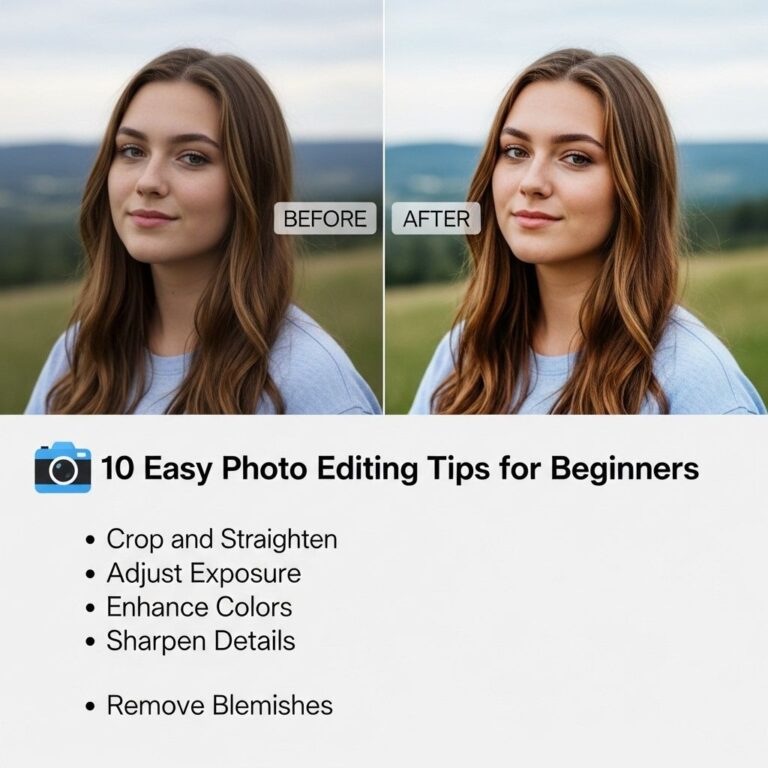
10. Edit Thoughtfully
The editing process allows you to enhance your story further by adjusting elements like:
- Contrast and exposure to create mood.
- Color grading to evoke specific feelings.
- Cropping to focus on the most important elements of your narrative.
Editing should complement your story rather than detract from it. It’s about refining your vision and making sure that every element serves the narrative.
Conclusion
Storytelling in photography is an intricate craft that combines technical skills with a deep understanding of narrative techniques. By employing these strategies, you can transform your photographs from simple snapshots into powerful stories that leave a lasting impact on your audience. Remember, every click of the shutter is an opportunity to share a story, so embrace the art of storytelling in your photography journey.
FAQ
What are the key elements of storytelling in photography?
The key elements include a strong subject, emotional connection, context, composition, and a narrative arc that engages the viewer.
How can I create emotion in my photographic storytelling?
You can evoke emotion by capturing genuine moments, using expressive facial expressions, and employing lighting and colors that set the mood.
What role does composition play in storytelling through photography?
Composition guides the viewer’s eye and helps to emphasize the story you are trying to tell; techniques like the rule of thirds and leading lines can enhance this.
How can I use lighting to enhance my photographic stories?
Lighting can dramatically change the mood and atmosphere of your photos, so consider using natural light, golden hour, or artificial lighting to support your narrative.
What are some tips for capturing candid moments in photography?
To capture candid moments, try to observe your surroundings, use a longer lens, and blend into the environment to avoid disrupting the scene.
How can I develop a unique storytelling style in my photography?
Experiment with different techniques, themes, and subjects while staying true to your vision, and study the work of other photographers for inspiration.