Photography is much more than just capturing images; it’s an art form that conveys stories, emotions, and experiences. In a world inundated with visuals, the ability to tell a compelling story through a photograph can set your work apart. Understanding the nuances of storytelling can elevate your photography and resonate more deeply with your audience. Here are ten powerful storytelling techniques that every photographer should consider implementing.
Table of Contents
1. Know Your Subject
Before you even lift your camera, it’s crucial to understand the subject you’re photographing. This knowledge shapes the story you want to convey. Whether it’s a person, an event, or an object, dive deep into the background, emotions, and characteristics of your subject. Ask yourself:
- What history does this subject hold?
- What emotions can it evoke?
- What message do I want to convey?
2. Use Composition to Enhance Narratives
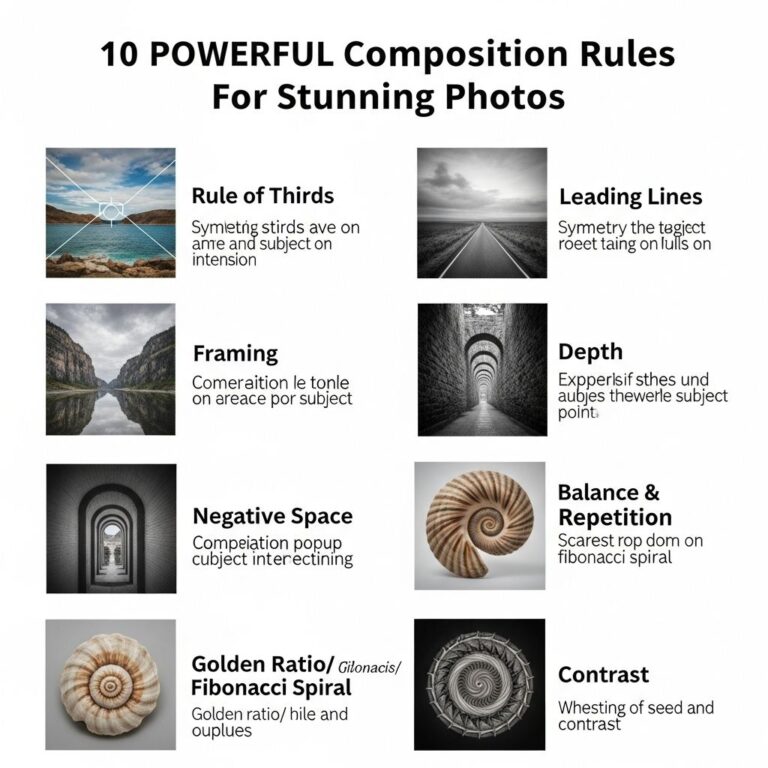
Composition is the backbone of photography storytelling. The way you frame your shot can significantly affect how the story unfolds. Here are some effective composition techniques:
Rule of Thirds
Dividing your image into thirds—both horizontally and vertically—allows you to create a more balanced and interesting composition. Placing your subject along these lines can draw attention and guide the viewer’s eye.
Leading Lines
Incorporating lines in your photographs can lead the viewer’s eye to the main subject, creating a natural flow. Roads, paths, and fences can serve as strong leading lines.
Framing
Using natural frames, such as doorways or branches, can help emphasize your subject and create depth in your image.
3. Embrace Light and Shadow
Light is a fundamental element in photography. Understanding how to manipulate light and shadow can add drama and tension to your storytelling. Consider the following:
- Golden hour offers soft, warm light that enhances the mood.
- Harsh shadows can create a sense of mystery or tension.
- Backlighting can produce silhouettes, effectively eliminating distractions and amplifying the subject.
4. Create Emotion Through Color
Colors evoke emotions and can be a powerful storytelling tool. The color palette in your photographs can influence how the viewer feels about the story you’re telling. Here’s how:
| Color | Emotion |
|---|---|
| Red | Passion, energy, urgency |
| Blue | Calmness, serenity, trust |
| Yellow | Happiness, optimism, warmth |
| Black | Elegance, mystery, sophistication |
5. Focus on Details
Sometimes, the smallest details can tell the biggest stories. Close-up shots of hands, objects, or expressions can reveal emotions and narratives that wide shots cannot. Pay attention to:
- Textures that convey a sense of touch.
- Expressions that reflect deep feelings.
- Interactions between subjects that tell a larger story.
6. Incorporate Context
Providing context can enhance the narrative of your photograph. This can be achieved through:
- Background elements that hint at a larger story.
- Capturing the environment to frame the subject.
- Including other subjects to show relationships and interactions.
7. Use Juxtaposition
Juxtaposition involves placing two contrasting elements close together to highlight differences. This technique can create tension or provoke thought. For example:
- A photograph of an old man with a modern city skyline.
- A fancy dinner spread in a humble setting.
- Children playing in a war-torn landscape.
8. Narrate a Series
A single photo can tell a story, but a series of photographs can provide a more in-depth narrative. Consider creating a photo essay that:
- Explores a theme or subject in detail.
- Captures different perspectives of the same event.
- Chronicles a journey or experience over time.
9. Evoke a Sense of Time
The passage of time can add depth to a story. Techniques to convey time include:
- Using long exposures to create a sense of movement.
- Incorporating elements that show change, like aging or decay.
- Capturing moments of action that suggest time’s flow.
10. Develop Your Own Voice
Ultimately, every photographer has a unique voice. Developing your style and narrative techniques will set you apart from others in the field. Here are some tips for finding your voice:
- Experiment with different styles and techniques.
- Study the work of photographers you admire.
- Seek feedback and be open to critique.
In conclusion, powerful storytelling in photography combines technical skills with emotional depth and context. By applying these techniques thoughtfully, you can create compelling images that resonate with viewers and leave a lasting impact. Remember, the best photographs are those that tell stories worth sharing.
FAQ
What are storytelling techniques for photographers?
Storytelling techniques for photographers are methods used to convey emotions, narratives, and messages through images, enhancing the viewer’s connection to the subject.
How can I create a narrative in my photography?
To create a narrative, consider the elements of your composition, lighting, and subject matter that together convey a story or evoke emotions.
Why is storytelling important in photography?
Storytelling is important in photography because it helps engage viewers, making images more memorable and impactful by connecting them to deeper themes and emotions.
What are some examples of effective storytelling in photography?
Examples include photo essays, portraits that capture a subject’s personality, and series of images that document an event or journey.
How can I improve my storytelling skills as a photographer?
You can improve your storytelling skills by studying great photographers, practicing narrative techniques, and seeking feedback on your work.
What role does editing play in storytelling for photographers?
Editing plays a crucial role in storytelling as it allows photographers to enhance mood, focus on key elements, and create a cohesive narrative flow in their images.