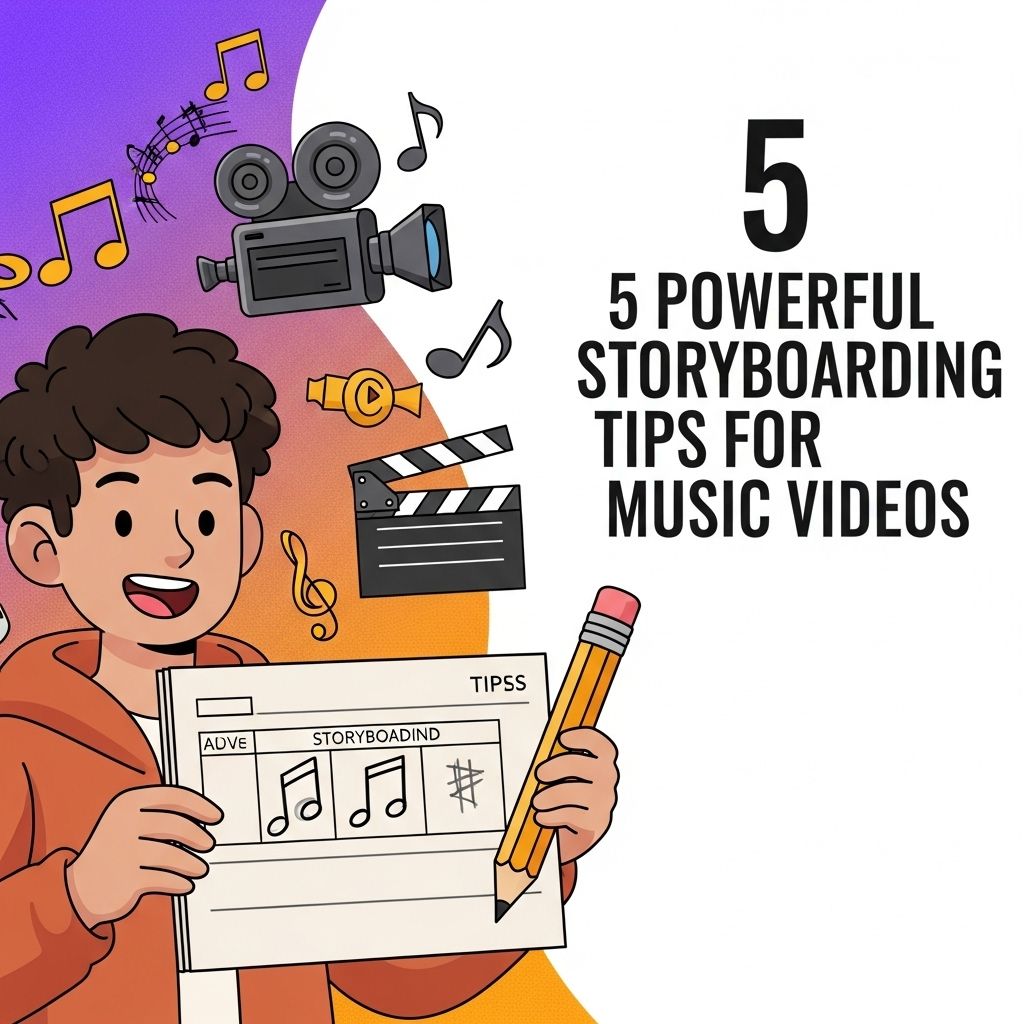
When it comes to creating a captivating music video, storyboarding is an essential step in the production process. A well-crafted storyboard acts as a visual script that guides your filming, helping to ensure that your vision is captured effectively. Below are some powerful tips for storyboarding music videos that will enhance your storytelling and artistic expression.
Creating a compelling music video begins long before the camera rolls, and effective storyboarding is essential to that process. By visually mapping out your ideas, you can enhance narrative clarity, refine your shot selections, and ensure a cohesive flow. To get started, check out these 5 powerful storyboarding tips that will elevate your music video production, along with some inspiring visuals, like those you’ll find in free beer graphics.
Table of Contents
Understanding the Basics of Storyboarding
At its core, storyboarding is the practice of organizing visuals in a sequential manner. Each panel of a storyboard represents a key moment or scene in your music video. This technique allows directors, cinematographers, and editors to visualize how scenes will unfold before they are actually filmed.
Key Elements to Include in Your Storyboard
- Visuals: Sketch out the main visuals and compositions for each scene.
- Camera Angles: Indicate camera positions and movements.
- Actions: Describe the actions taking place in each scene.
- Dialogue: Include any important lyrics or spoken words.
- Duration: Note the estimated duration of each shot.
Define the Concept and Narrative
Before you begin storyboarding, it’s crucial to have a clear concept and narrative in mind. This will form the backbone of your video and guide every element of your storyboard.
Steps to Define Your Concept
- Listen Closely: Analyze the song’s lyrics and feel to understand its core message.
- Visual Themes: Determine the visual themes that resonate with the song.
- Character Development: Consider who the main characters are and how their stories will unfold.
- Setting: Decide on the locations or environments that will enhance the narrative.
Utilize Visual Storytelling Techniques
Visual storytelling is crucial in music videos, where the imagery often conveys emotions and themes just as much as the music itself. Here are some techniques to incorporate:
Symbolism and Metaphor
Use symbolic imagery to deepen the meaning of your video. For instance:
| Symbol | Meaning |
|---|---|
| Broken Mirrors | Self-image issues |
| Dark Clouds | Emotional turmoil |
| Flowers | New beginnings |
Contrast and Juxtaposition
A powerful way to tell a story is to contrast different scenes. For example, pair scenes of joy with those of sadness to reflect the complexity of human emotions.
Plan Your Shots with Precision
Each shot in your music video contributes to the overall story. Use these tips to plan shots effectively:
Shot Types to Consider
- Close-ups: Capture emotions and details.
- Medium Shots: Show interactions between characters.
- Wide Shots: Establish the setting or context.
- Aerial Shots: Provide a unique perspective.
Consider Movement and Transition
How will scenes transition from one to the next? Incorporate movement, such as:
- Camera pans
- Dollies
- Zooms
- Match cuts
Collaborate with Your Team
A successful music video often requires collaboration among various creative professionals. Involve your team early in the storyboarding process to ensure everyone is on the same page.
Roles to Involve
- Director: Provides creative vision.
- Cinematographer: Offers insights on camera work.
- Choreographer: Integrates movement and performance.
- Editor: Ensures continuity and pacing.
Review and Revise
Once your initial storyboard is developed, take the time to review and refine it. Consider these steps for effective revision:
Gather Feedback
Share your storyboard with trusted colleagues or friends to gain new perspectives. Ask for feedback on clarity, pacing, and effectiveness.
Make Adjustments
Don’t hesitate to make changes. Flexibility in your plans can lead to even better outcomes. Focus on:
- Enhancing emotional impact
- Improving shot composition
- Streamlining the narrative
Conclusion
Storyboarding is an invaluable tool in the process of creating an engaging music video. By defining your concept, utilizing visual storytelling techniques, and planning your shots meticulously, you set a strong foundation for your project. Remember that collaboration and revision are key components of success. With these powerful tips in mind, you’ll be well on your way to producing a music video that not only captivates your audience but also resonates with them long after the last note fades.
FAQ
What is storyboarding and why is it important for music videos?
Storyboarding is the process of creating a visual plan for a music video, breaking down scenes into frames. It is important because it helps visualize the narrative, organize the shoot, and communicate ideas effectively with the production team.
How can I develop a compelling narrative for my music video storyboard?
To develop a compelling narrative, start by analyzing the song’s lyrics and themes. Create a storyline that complements the music, using emotional arcs and visual motifs to enhance the viewer’s experience.
What are some tips for visualizing scenes in a music video storyboard?
Use thumbnails to sketch key scenes quickly, incorporate dynamic camera angles, and think about color palettes that reflect the mood of the song. Visual references from other videos can also be helpful.
How detailed should my storyboard be for a music video?
Your storyboard should include enough detail to convey the visual style, scene composition, and key actions. This can range from simple sketches to more detailed illustrations, depending on your needs.
What elements should I include in my music video storyboard?
Include scene descriptions, camera angles, transitions, shot lengths, and any special effects or graphics. This will help ensure that everyone on the team understands the vision.
How can storyboarding improve collaboration in music video production?
Storyboarding provides a clear visual reference for all team members, facilitating better communication and collaboration. It ensures that everyone is on the same page regarding the creative direction of the music video.