In today’s competitive job market, a standout LinkedIn profile can be the difference between landing your dream job and getting lost in the shuffle. With over 700 million users, LinkedIn has transformed into a powerful networking tool where professionals can showcase their skills, connect with potential employers, and establish their personal brand. Crafting a compelling LinkedIn profile requires attention to detail and a strategic approach. In this article, we will explore various ways to enhance your LinkedIn presence to attract recruiters and expand your professional network.
In today’s competitive job market, having a standout LinkedIn profile can significantly enhance your professional visibility. By showcasing your unique skills and experiences, along with eye-catching visuals such as a best bag mockup designs, you can attract the attention of recruiters and potential collaborators. Tailoring your profile to reflect your personal brand is essential for making a lasting impression.
Table of Contents
Understanding the Basics of a LinkedIn Profile
Your LinkedIn profile serves as your online resume. It’s essential to understand the key elements that make up a robust profile. Below is a breakdown of the critical components:
- Profile Photo: Choose a professional and approachable headshot.
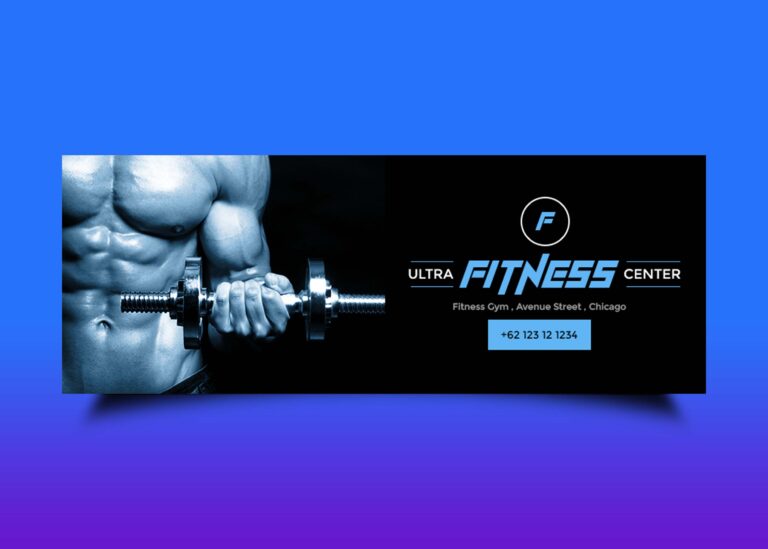
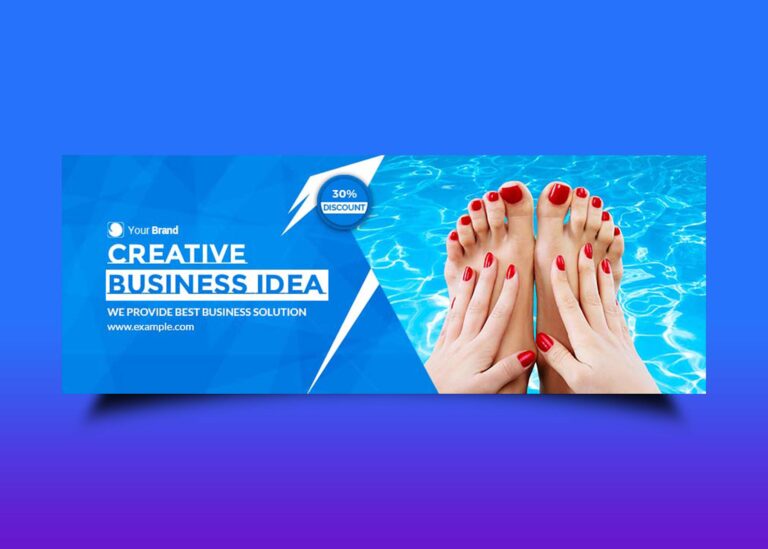
- Banner Image: Use a custom banner that reflects your personal brand or industry.
- Headline: Write a concise headline that highlights your role or expertise.
- About Section: Craft a summary that showcases your professional journey and aspirations.
- Experience: Detail your job history with accomplishments and quantifiable results.
- Skills: List relevant skills that align with your career goals.
- Education: Include your educational background for credibility.
Optimizing Your Profile Photo and Banner
Choosing the Right Profile Photo
Your profile photo is often the first impression you make. Here are some tips:
- Use a recent photo that reflects your current appearance.
- Dress professionally; business casual is a safe choice.
- Ensure good lighting and a neutral background.
- Smile and maintain a friendly expression.
Creating an Eye-Catching Banner
The banner image is an opportunity to express your personal brand. Consider using:
- An image related to your industry (e.g., tech, finance).
- A motivational quote that resonates with your career path.
- A simple design with your contact information or website.
Crafting an Engaging Headline and Summary
Writing a Compelling Headline
Your headline should communicate your professional identity in a few words. Here’s how to make it impactful:
- Include your current job title.
- Add keywords related to your skills or sector.
- Consider mentioning your specializations or passions.
Example: “Digital Marketing Specialist | SEO Expert | Content Strategist”
Developing a Meaningful About Section
Your About section allows for a more in-depth look at your professional story. To make it engaging, follow these steps:
- Start with a hook – an interesting fact or a brief personal story.
- Outline your career journey, emphasizing key milestones.
- Highlight your skills and what sets you apart.
- Conclude with a call to action, inviting connection or collaboration.
Showcasing Your Experience Effectively
When detailing your job history, focus on achievements rather than just responsibilities. Consider the following structure:
| Job Title | Company Name | Duration | Key Achievements |
|---|---|---|---|
| Marketing Manager | ABC Corp | Jan 2020 – Present | – Increased social media engagement by 150% – Led a successful product launch, generating $500,000 in revenue |
| SEO Specialist | XYZ Ltd | Jan 2018 – Dec 2019 | – Improved organic search traffic by 200% – Conducted keyword research that led to a 30% increase in leads |
Highlighting Skills and Endorsements
Selecting Relevant Skills
LinkedIn allows you to list up to 50 skills, but quality trumps quantity. Choose skills that:
- Are directly relevant to your career goals.
- Are endorsed by your connections.
- Reflect both hard and soft skills.
Leveraging Endorsements
Endorsements from colleagues and supervisors can add credibility. To encourage endorsements:
- Give endorsements to others sincerely.
- Request endorsements from people you’ve worked closely with.
- Engage with your network regularly to stay top of mind.
Expanding Your Network Strategically
Networking on LinkedIn goes beyond collecting connections. To maximize your outreach:
- Personalize Connection Requests: Always include a message explaining why you want to connect.
- Engage with Content: Like, comment, and share relevant posts to increase visibility.
- Join LinkedIn Groups: Participate in groups related to your field to meet like-minded professionals.
Creating and Sharing Content
Establishing yourself as a thought leader can significantly boost your profile. Consider the following approaches:
- Write Articles: Share your knowledge through long-form articles on LinkedIn.
- Create Posts: Share updates, insights, and news relevant to your industry.
- Engage with Multimedia: Use images, videos, and infographics to make your content more engaging.
Staying Active and Engaged
Maintaining an active presence on LinkedIn is vital. Here are some strategies:
- Post regularly, but maintain quality over quantity.
- Follow industry leaders and influencers to stay informed.
- Participate in discussions and share your expertise.
Conclusion
Updating your LinkedIn profile is an ongoing process that requires attention and effort. By focusing on optimizing each element of your profile, actively engaging with your network, and sharing valuable content, you can create a dynamic LinkedIn presence that stands out. Remember, your LinkedIn profile is a reflection of your professional self—make it count!
FAQ
How can I make my LinkedIn profile more attractive to recruiters?
To make your LinkedIn profile stand out to recruiters, ensure your profile photo is professional and your headline reflects your career goals. Use keywords relevant to your industry and include a compelling summary that highlights your skills and achievements.
What are the best practices for writing a LinkedIn summary?
A strong LinkedIn summary should be concise and engaging. Start with a hook that captures attention, include your professional background, key skills, and what makes you unique. Don’t forget to add a call to action, inviting connections or inquiries.
How important are endorsements and recommendations on LinkedIn?
Endorsements and recommendations enhance your LinkedIn profile by showcasing your skills and credibility. Aim to gather endorsements for your top skills and request recommendations from colleagues or clients to validate your experience.
What types of content should I share on LinkedIn?
Sharing industry-related articles, personal achievements, and insights can engage your network. Consider posting original content, such as blog posts or videos, to establish yourself as a thought leader in your field.
How often should I update my LinkedIn profile?
You should update your LinkedIn profile regularly, especially when you gain new skills, complete projects, or change jobs. Keeping your profile current ensures that it reflects your latest professional journey and keeps you relevant in your industry.