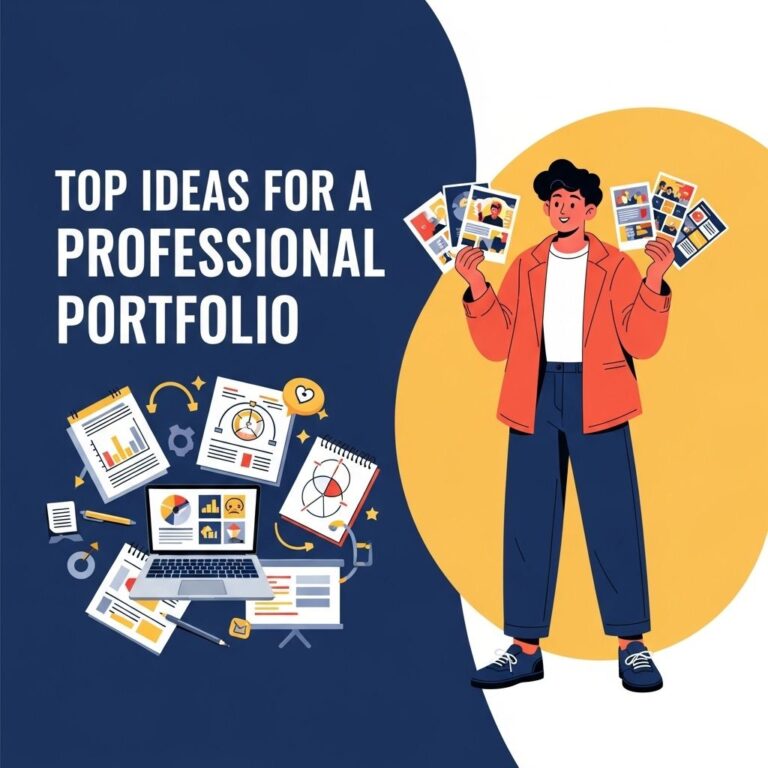
In today’s competitive job market, having a standout portfolio is essential for showcasing your skills and expertise. Whether you are a designer, developer, or content creator, your portfolio serves as a reflection of your capabilities and creativity. This article explores various strategies and tips to effectively showcase your skills in your portfolio, ensuring you make a strong impression on potential employers or clients.
An impressive portfolio is crucial for showcasing your skills and attracting potential clients or employers. To enhance your presentation, consider using bag mockups for branding, which can elevate your design and provide a professional touch. Highlighting your work with high-quality visuals not only demonstrates your creativity but also your attention to detail.
Table of Contents
Understanding Your Audience
Before you begin crafting your portfolio, it is crucial to understand who your audience is. Consider the following:
- Who will view your portfolio? Are they potential employers, clients, or peers?
- What skills or experiences are they looking for? Tailor your portfolio to meet these expectations.
- What format do they prefer? Some industries may favor digital portfolios, while others may appreciate printed versions.
Choosing the Right Format
Your portfolio can take various forms, depending on your field and preferences. Here are some popular formats:
1. Digital Portfolios
These are ideal for tech-savvy professionals and creatives. Some benefits include:
- Easy to share and update
- Interactive elements can showcase your digital skills
- Accessibility from anywhere with an internet connection
2. Printed Portfolios
Although less common in the digital age, printed portfolios can be valuable for interviews and client meetings. They convey professionalism and commitment. Consider these tips:
- Use high-quality materials
- Keep it concise and organized
- Include business cards for easy networking
Content Structure
Once you have chosen a format, it’s time to structure your content effectively. A well-organized portfolio typically includes the following sections:
1. Introduction
Start with a brief personal statement. Highlight your background, career goals, and what makes you unique.
2. Skills Section
Clearly list your skills and expertise. Consider using a table format for clarity:
| Skill | Proficiency Level | Years of Experience |
|---|---|---|
| HTML/CSS | Advanced | 5 |
| JavaScript | Intermediate | 3 |
| Graphic Design | Advanced | 4 |
3. Projects
Your projects demonstrate your practical skills. Include:
- Title of the project
- Brief description: what was the project about?
- Role: what was your contribution?
- Technologies used: list the tools and frameworks employed
- Links: if applicable, include URLs to live projects or code repositories
4. Testimonials
Incorporating testimonials or references can add credibility. Reach out to former employers, clients, or colleagues and ask for brief quotes about your work ethic and skills. Be sure to:
- Ask for permission before including their quotes
- Use diverse sources for a well-rounded perspective
Visual Appeal
The visual aspect of your portfolio is paramount, especially for creative fields. Follow these design principles:
1. Consistent Branding
Ensure that your portfolio reflects your personal brand. Use consistent colors, fonts, and layouts throughout.
2. High-Quality Images
Use sharp, high-resolution images for all visuals. Avoid pixelated or poorly lit images that can detract from your work.
3. Clear Navigation
Make it easy for viewers to navigate your portfolio. Include a clear menu or index to help them find sections quickly.
Ongoing Updates
A portfolio is not a static document; it should evolve as you gain more experience and complete new projects. Consider the following:
- Regularly review and update your portfolio with new projects and skills.
- Remove outdated or less relevant work to keep the focus on your best achievements.
- Keep track of industry trends and adjust your content to stay relevant.
Promoting Your Portfolio
Once your portfolio is ready, it’s time to share it with the world. Here are some effective promotion strategies:
1. Personal Website
Consider creating a personal website to host your portfolio. This adds credibility and allows for complete control over the presentation.
2. Social Media
Utilize social media platforms like LinkedIn, Instagram, or Behance to showcase your work and drive traffic to your portfolio.
3. Networking
Attend industry events, meetups, and workshops to connect with others in your field. Share your portfolio during conversations to make a lasting impression.
Gathering Feedback
Feedback is crucial for improving your portfolio. Consider the following methods:
- Seek input from peers and mentors
- Join online forums or groups related to your field
- Conduct surveys to gather opinions on your portfolio’s effectiveness
Conclusion
In conclusion, showcasing your skills in a portfolio requires thoughtful consideration of format, content structure, and visual design. By understanding your audience, selecting the right format, and continuously updating your work, you can create a compelling portfolio that highlights your talents and sets you apart from the competition. Remember, your portfolio is a living document; keep it dynamic and relevant as you grow in your career.
FAQ
What are the best ways to showcase skills in a portfolio?
The best ways to showcase skills in a portfolio include presenting case studies, including visual examples of your work, utilizing interactive elements, and providing detailed descriptions of your contributions.
Should I include personal projects in my portfolio?
Yes, including personal projects can effectively demonstrate your skills, creativity, and passion for your field, especially if they align with the type of work you want to pursue.
How important is it to tailor my portfolio to a specific job?
Tailoring your portfolio to a specific job is crucial as it shows potential employers that you understand their needs and how your skills can meet them.
What format should I use for my portfolio?
You can use various formats for your portfolio, including a personal website, PDF documents, or online platforms like Behance or Dribbble, depending on your industry.
How often should I update my portfolio?
You should update your portfolio regularly to reflect your most recent work, skills, and experiences, ideally after completing significant projects or gaining new skills.