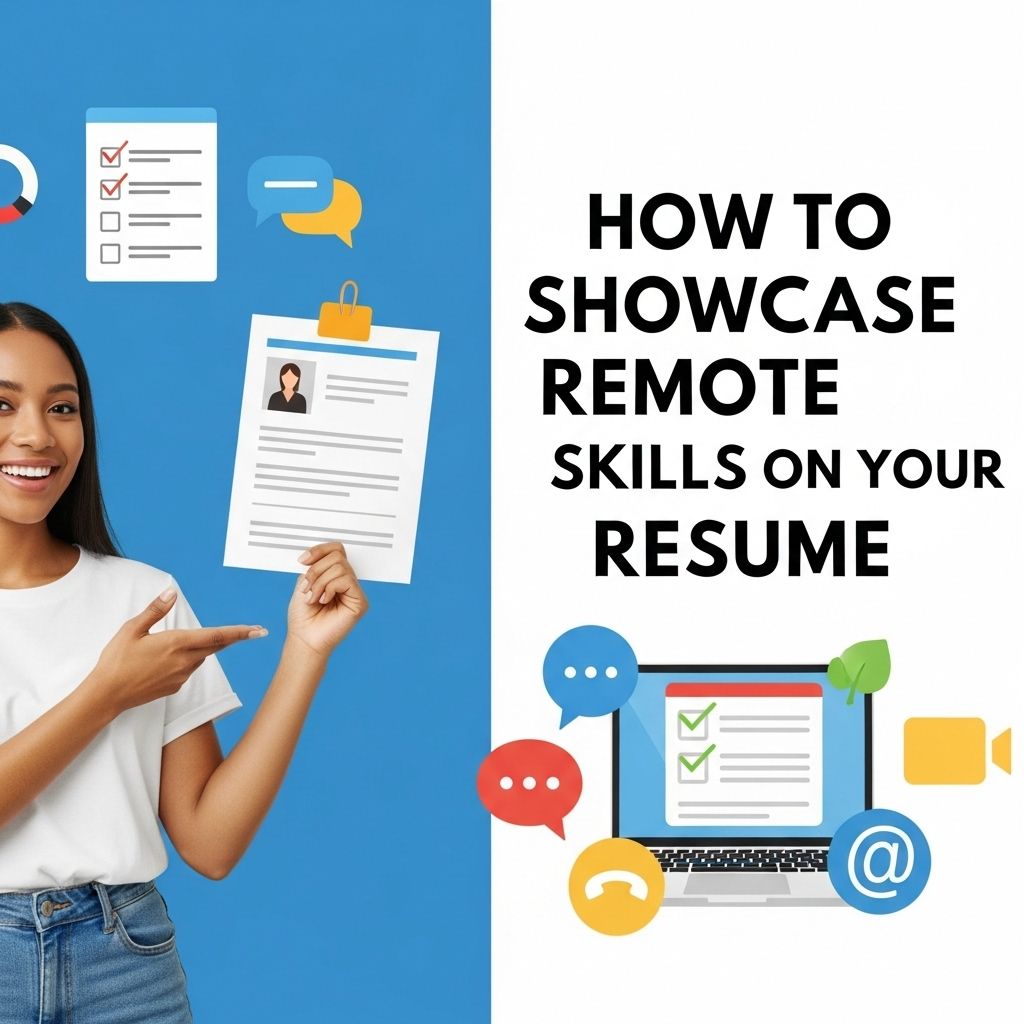
In a world increasingly leaning towards remote work, showcasing your remote skills on your resume is essential for standing out to potential employers. The shift towards virtual teams has made it imperative for job seekers to demonstrate their ability to thrive in a remote environment. This article will guide you through effective techniques to highlight your remote work skills, ensuring that your resume reflects your capability to succeed in a distributed work setting.
In today’s evolving job landscape, showcasing remote skills effectively on your resume is crucial for standing out to potential employers. Highlighting your experience with digital communication tools, project management software, and collaborative platforms can demonstrate your adaptability and readiness for remote work. For creative professionals, including a portfolio link or downloadable beer artwork can also enhance your application.
Table of Contents
Understanding Remote Work Skills
Remote work skills encompass a variety of competencies, ranging from soft skills like communication and time management to technical skills like proficiency in collaboration tools. Understanding these skills is the first step in effectively showcasing them on your resume.
Key Remote Work Skills
- Communication: The ability to communicate clearly and effectively through written and verbal channels.
- Time Management: Skills to manage one’s time efficiently in a flexible work environment.
- Self-Motivation: The drive to work independently without constant supervision.
- Tech Savviness: Proficiency in using digital tools and platforms for collaboration and project management.
- Adaptability: Ability to adjust to new tools and environments quickly.
Crafting Your Resume
Your resume should not only chronicle your job history but also reflect your remote work competencies. Here are some strategies for effectively showcasing your remote skills.
1. Tailor Your Resume for Remote Jobs
When applying for remote positions, it’s vital to tailor your resume specifically for those roles. This means understanding the job description and reflecting relevant remote skills.
2. Create a Dedicated Skills Section
Including a dedicated skills section is a great way to highlight your remote competencies. Here’s how you can structure it:
| Skill | Description |
|---|---|
| Remote Collaboration Tools | Experience with tools like Slack, Zoom, or Trello for team communication and project management. |
| Project Management | Ability to manage projects using software like Asana or Jira. |
| Remote Problem Solving | Proven ability to troubleshoot technical issues independently. |
3. Use Action Verbs
When detailing your experience, use action verbs to convey your contributions and successes. Consider the following examples:
- Initiated: Initiated weekly virtual check-ins to enhance team communication.
- Developed: Developed a new onboarding process for remote employees.
- Streamlined: Streamlined project workflows that increased efficiency by 20%.
Highlighting Remote Experience
In addition to skills, it’s crucial to highlight your remote work experience. Here’s how to do it effectively:
1. Include Remote Job Titles
When listing previous positions, make sure to include that they were remote. For example:
- Remote Marketing Manager at Company XYZ
- Virtual Customer Support Representative at Company ABC
2. Quantify Your Achievements
Whenever possible, quantify your achievements in remote roles to give prospective employers a clearer picture of your capabilities. For example:
- Increased website traffic by 50% through digital marketing strategies.
- Reduced response time for customer inquiries by 40% through improved communication processes.
Including Additional Information
Aside from your work experience and skills, including additional information can enhance your resume’s appeal. Here are some elements to consider:
1. Certifications and Courses
Consider adding relevant certifications that bolster your remote work credentials. Examples include:
- Certified Remote Work Professional
- Project Management Professional (PMP)
2. Online Portfolio or Website
If applicable, include links to your online portfolio or personal website. This can serve as a platform to showcase your work and demonstrate your tech savviness.
Formatting Your Resume
The layout of your resume is just as important as the content. Here are some formatting tips:
1. Keep It Concise
Your resume should not exceed two pages. Use bullet points and concise language to convey your information clearly.
2. Use a Professional Design
Choose a clean, professional design. Consider using templates designed for remote job applications to emphasize your adaptability.
3. Optimize for ATS
Many companies use Applicant Tracking Systems (ATS) to filter resumes. Use keywords from the job description to ensure your resume passes initial screenings.
Final Touches
Before submitting your resume, make sure to proofread for any grammatical or typographical errors. A neat and error-free resume reflects your attention to detail—an essential skill for remote work.
In conclusion, showcasing your remote skills on your resume is crucial in today’s job market. By understanding what remote skills to highlight, tailoring your resume, and formatting it correctly, you’ll set yourself apart from other candidates. As the landscape of work continues to evolve, being adept at demonstrating your suitability for remote roles will open up many opportunities.
FAQ
How do I highlight remote work experience on my resume?
To highlight remote work experience, clearly state your job title and include ‘Remote’ or ‘Telecommute’ in the job description. Use bullet points to showcase your accomplishments and skills related to remote collaboration and communication.
What specific remote skills should I include on my resume?
Include skills such as communication, time management, self-motivation, proficiency with remote work tools (like Zoom or Slack), and adaptability to different work environments.
How can I demonstrate effective communication skills for remote work on my resume?
Mention specific examples of remote communication tools you’ve used, such as video conferencing or project management software, and provide instances where you successfully collaborated with teams or clients virtually.
Should I list remote work as a separate section on my resume?
If you have significant remote work experience, consider creating a dedicated ‘Remote Work Experience’ section or integrating it into your work history to emphasize your proficiency in this area.
What format should I use for a remote-friendly resume?
Use a clean, professional format that is easy to read. Consider using bullet points for clarity and ensure your resume is optimized for Applicant Tracking Systems (ATS) by including relevant keywords related to remote work.
How can I address gaps in employment due to remote work transitions?
Be honest about your employment gaps and explain how you have used that time to develop remote skills or engage in freelance projects. Highlight any relevant training or courses you completed during that period.