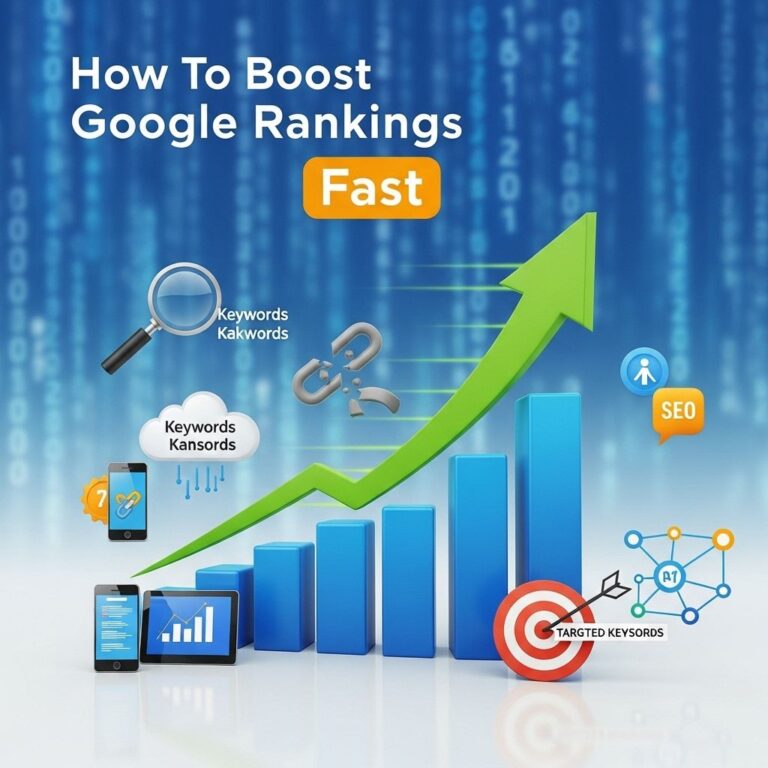
In the ever-evolving world of digital marketing, Search Engine Optimization (SEO) remains one of the most crucial aspects of driving traffic to your website. With billions of web pages vying for attention on search engines, having a robust SEO strategy can mean the difference between being buried on page ten of search results and ranking at the top. This article explores ten essential SEO tips that will help you boost your website traffic effectively.
In the competitive world of online marketing, improving your website’s visibility is crucial for driving traffic. Implementing proven SEO strategies can significantly enhance your search engine rankings and attract more visitors. For those interested in creating engaging content, consider resources like beer label design ideas to inspire your brand’s presentation.
Table of Contents
Understand Your Audience
Before diving into technical SEO tactics, it’s vital to understand who your audience is. Knowing your audience helps tailor your content to meet their needs.
Research Your Audience
- Use tools like Google Analytics to see who is visiting your site.
- Conduct surveys or polls to understand user interests.
- Analyze social media interactions to gauge audience preferences.
Keyword Research
Keyword research is the foundation of any successful SEO strategy. Identifying the right keywords can drive targeted traffic to your website.
Tools for Keyword Research
Utilize the following tools to find relevant keywords:
- Google Keyword Planner: Free tool that helps you discover new keywords.
- SEMrush: Provides insights into keyword competition and search volume.
- Ahrefs: Offers comprehensive keyword suggestions and analysis.
On-Page SEO Optimization
On-page SEO refers to the practice of optimizing individual web pages to rank higher and earn more relevant traffic in search engines.
Key On-Page Elements
| Element | Best Practices |
|---|---|
| Title Tag | Include primary keyword and keep it under 60 characters. |
| Meta Description | Summarize page content using relevant keywords, under 160 characters. |
| Headers (H1, H2, H3) | Utilize keywords and create a clear content structure. |
| Image Alt Text | Describe images using relevant keywords for better visibility. |
Technical SEO
Technical SEO focuses on improving the backend structure and foundation of a website.
Important Technical Aspects
- Site Speed: Optimize images, enable browser caching, and minimize redirects.
- Mobile-Friendliness: Ensure your site is responsive and works well on all devices.
- XML Sitemap: Create and submit an XML sitemap to help search engines crawl your site efficiently.
Link Building
Link building is a critical factor for SEO success. Quality backlinks from reputable sites signal to search engines that your content is credible.
Effective Link Building Strategies
- Guest Blogging: Write articles for other blogs in your industry.
- Resource Pages: Get your content featured on resource lists.
- Broken Link Building: Find broken links on other websites and suggest your content as a replacement.
Content Quality and Relevance
Search engines prioritize high-quality, relevant content that meets user needs. Regularly updating your content can also help maintain its relevance.
Content Creation Tips
- Focus on comprehensive content that answers user queries.
- Incorporate multimedia elements like images and videos to enhance engagement.
- Use internal linking to guide users to related content.
Social Media Integration
While social media signals are not a direct ranking factor, promoting your content through social channels can drive traffic and increase visibility.
Enhancing Social Media Strategy
- Share your content regularly on platforms like Facebook, Twitter, and LinkedIn.
- Engage with your audience through comments and messages.
- Utilize social sharing buttons on your website to encourage sharing.
Monitor and Analyze Performance
Continuous monitoring of your SEO efforts is essential to gauge performance and make necessary adjustments.
Key Metrics to Track
| Metric | Description |
|---|---|
| Organic Traffic | Measure the number of visitors coming from search engines. |
| Bounce Rate | Percentage of visitors who leave your site after viewing only one page. |
| Keyword Rankings | Track how well your targeted keywords are ranking over time. |
| Conversion Rate | Percentage of visitors who complete a desired action on your site. |
Stay Updated with SEO Trends
The digital landscape is constantly changing, and staying updated with the latest SEO trends and algorithm updates is crucial for your strategy.
How to Stay Informed
- Follow reputable SEO blogs such as Moz, Search Engine Journal, and Neil Patel.
- Participate in online SEO communities and forums.
- Attend webinars and conferences related to SEO and digital marketing.
Implementing these ten SEO tips can significantly enhance your website’s visibility and attract more organic traffic. Remember, SEO is an ongoing process that requires patience and persistence. By staying informed and adapting to changes in the digital marketing landscape, you can ensure long-term success in your online endeavors.
FAQ
What are the best SEO tips for beginners?
Start by conducting keyword research to identify terms your audience is searching for, optimize your website’s on-page elements, create high-quality content, and build backlinks from reputable sites.
How important is keyword research for SEO?
Keyword research is crucial as it helps you understand what your potential customers are searching for, allowing you to tailor your content and optimize your website for those terms.
What role does mobile optimization play in SEO?
Mobile optimization is essential since a significant portion of web traffic comes from mobile devices; search engines prioritize mobile-friendly websites in their rankings.
How can I improve my website’s loading speed for better SEO?
You can improve your website’s loading speed by optimizing images, using browser caching, minimizing HTTP requests, and choosing a reliable hosting provider.
What is the significance of backlinks in SEO?
Backlinks are important because they signal to search engines that your content is credible and valuable; the more high-quality backlinks you have, the better your site’s authority and ranking will be.
How does content quality affect SEO rankings?
High-quality content that is informative, engaging, and relevant to users not only keeps visitors on your site longer but also encourages shares and backlinks, positively impacting your SEO rankings.