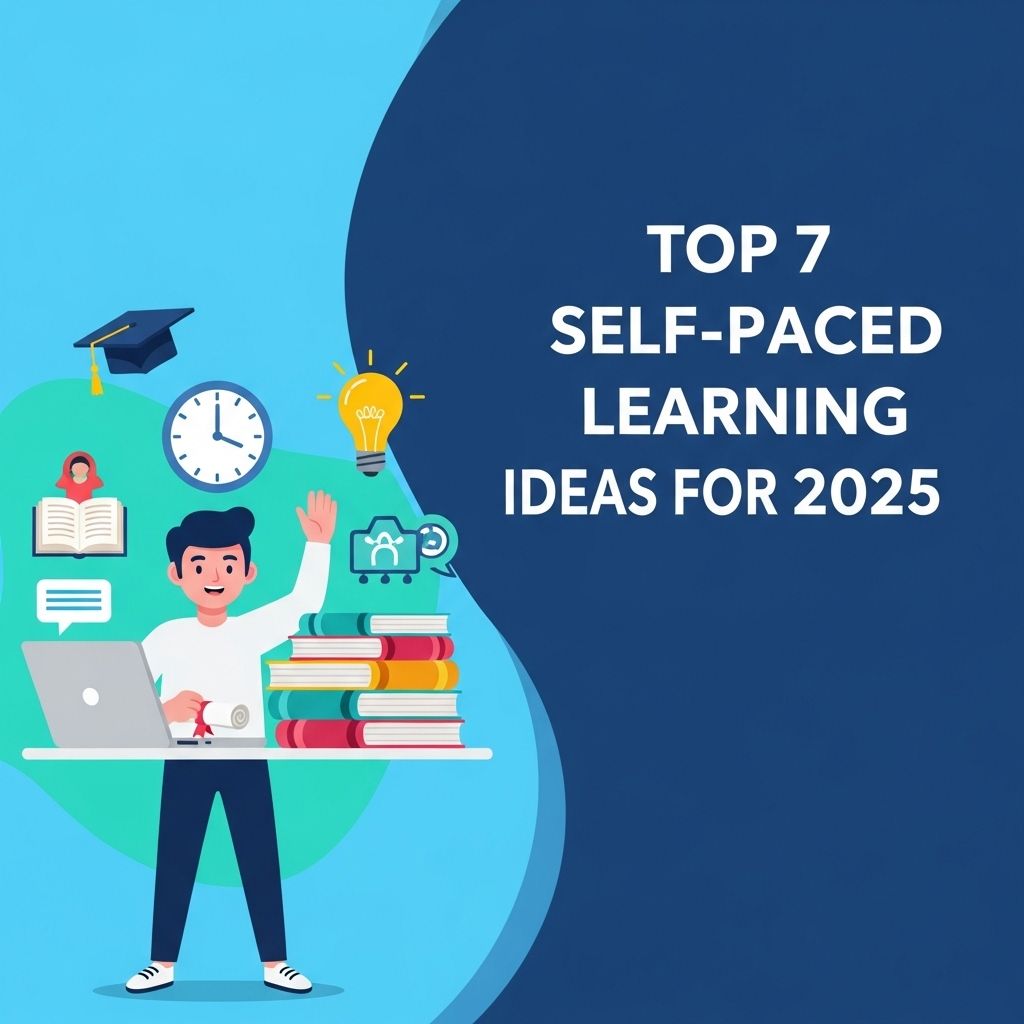
As technology continues to evolve at a breakneck pace, self-paced learning has emerged as a powerful method for individuals to gain knowledge and skills that are relevant in today’s job market. With a plethora of resources available online, learners can choose their own paths and progress at their own speed. This article delves into some of the most effective self-paced learning ideas for 2025, helping you to stay ahead in your professional and personal growth.
As we look ahead to 2025, self-paced learning continues to gain traction, offering flexibility and accessibility for learners of all backgrounds. Explore the top 7 self-paced learning ideas that can empower you to enhance your skills and knowledge at your own convenience. For those interested in creative projects, you can also download free bag mockups to apply your learning practically.
Table of Contents
The Rise of Self-Paced Learning
Self-paced learning refers to an educational approach where learners have the flexibility to decide when, where, and how they learn. This trend has accelerated due to the advent of online platforms, making education more accessible. Some key benefits of self-paced learning include:
- Flexibility in scheduling
- Personalized learning experiences
- Enhanced retention of information
- Cost-effectiveness compared to traditional learning
1. Online Courses and MOOCs
Massive Open Online Courses (MOOCs) have taken education to new heights. With platforms like Coursera, edX, and Udacity, learners can access courses designed by renowned universities and industry experts. Here are some insights into online courses:
Popular Platforms
| Platform | Focus Areas | Cost |
|---|---|---|
| Coursera | Wide range from arts to STEM | Free to $49/month |
| edX | Academic courses | Free to $199 |
| Udacity | Tech and programming | From $399/month |
Benefits of Online Courses
- Access to global expertise
- Variety of subjects and levels
- Networking opportunities
2. Interactive Learning Platforms
Sites like Duolingo for languages or Codecademy for coding offer interactive experiences that make learning engaging. The gamification of learning keeps learners motivated and helps solidify their understanding.
Features to Look For
- Immediate feedback on exercises
- Progress tracking
- Community support and forums
3. Podcasts and Audiobooks
For those who prefer auditory learning, podcasts and audiobooks are fantastic resources. They allow learners to absorb information while multitasking—whether commuting, exercising, or relaxing.
Recommended Podcasts
- The Tim Ferriss Show: Insights from high achievers.
- How I Built This: Stories behind the world’s best-known companies.
- TED Talks Daily: Ideas worth spreading.
4. Virtual Reality (VR) and Augmented Reality (AR)
VR and AR technologies are transforming the way we learn by providing immersive experiences. In 2025, expect to see more educational institutions leveraging these technologies to create realistic simulations.
Applications in Learning
- Medical Training: Simulating surgeries and patient interactions.
- Language Learning: Immersive environments to practice foreign languages.
- History Lessons: Exploring historical places and events in 3D.
5. Skill-based Workshops
Self-paced workshops conducted online allow learners to focus on specific skills, such as graphic design, data analysis, or project management. Platforms like Skillshare and LinkedIn Learning offer a variety of workshops.
Advantages of Workshops
- Hands-on projects to enhance learning
- Access to industry professionals
- Portfolio-building opportunities
6. Blogs and E-books
Many experts share their knowledge through blogs and e-books. These resources can be particularly useful for niche topics that may not be covered in traditional courses.
Finding Quality Content
- Look for authors with industry experience.
- Follow thought leaders in specific fields.
- Utilize aggregators like Medium for curated content.
7. Mentor-led Learning
Connecting with a mentor provides invaluable insights and guidance. Platforms such as MentorCruise connect learners with professionals for personalized learning experiences.
How to Choose a Mentor
- Identify your learning goals.
- Research potential mentors in your field.
- Reach out with a clear proposal on what you seek to learn.
Conclusion
Self-paced learning is not just a trend; it’s a necessity in today’s fast-paced digital world. By leveraging online courses, interactive platforms, podcasts, and mentorship, individuals can tailor their educational experiences to suit their needs and preferences. As we move forward into 2025, these self-paced learning ideas will help equip learners with the skills and knowledge required to thrive in an ever-evolving landscape.
FAQ
What are the benefits of self-paced learning?
Self-paced learning allows individuals to learn at their own speed, making it easier to grasp complex concepts and retain information. It also provides flexibility in managing time and balancing other commitments.
What are some effective self-paced learning platforms?
Popular self-paced learning platforms include Coursera, Udemy, Khan Academy, and edX, offering a wide range of courses across various subjects.
How can I stay motivated while learning at my own pace?
Setting specific goals, creating a structured schedule, and rewarding yourself for completing milestones can help maintain motivation during self-paced learning.
What skills are most valuable to learn in 2025?
In 2025, skills such as digital marketing, data analysis, coding, artificial intelligence, and project management will be highly valued in the job market.
Can self-paced learning help with career advancement?
Yes, self-paced learning can enhance your skills and knowledge, making you more competitive for promotions and new job opportunities.
How do I choose the right self-paced course for my needs?
Consider your learning goals, the course content, reviews from other learners, and whether the course offers practical applications or projects to help you apply what you’ve learned.