In an age where distractions are omnipresent, cultivating self-discipline has become more important than ever. Discipline is the bridge between goals and accomplishment, transforming aspirations into reality. Whether you’re looking to enhance your productivity, improve your health, or develop new skills, mastering self-discipline can lead to profound changes in your life. In this article, we’ll explore various techniques that can help you harness your willpower effectively.
Table of Contents
Understanding Self-Discipline
Self-discipline refers to the ability to control one’s emotions, behaviors, and desires in the face of external demands, to achieve a greater goal. Unlike motivation, which can fluctuate and is often temporary, self-discipline is about consistency and persistence.
The Importance of Self-Discipline
- Helps in achieving long-term goals.
- Improves time management skills.
- Enhances focus and concentration.
- Boosts confidence and self-esteem.
- Facilitates better decision-making.
Tricks to Enhance Your Self-Discipline
1. Set Clear Goals
Defining clear, measurable, and achievable goals is essential for self-discipline. This practice allows you to have a concrete target to work towards. Use the SMART criteria: specific, measurable, achievable, relevant, and time-bound.
2. Break Tasks into Smaller Steps
Large tasks can seem overwhelming and lead to procrastination. Break your goals into small, manageable steps to avoid feeling daunted. This makes the process less intimidating and creates a sense of accomplishment as you complete each step.
3. Establish Routines
Routine plays a crucial role in self-discipline. By establishing consistent daily habits, you condition your mind to follow through with tasks automatically:
- Wake up and go to bed at the same time.
- Set aside specific times for work and breaks.
- Incorporate regular exercise into your day.
4. Eliminate Distractions
In our hyper-connected world, distractions are everywhere. Identify what commonly distracts you and take proactive steps to reduce or eliminate these interruptions. Consider the following:
| Distraction | Solution |
|---|---|
| Social media | Limit usage during work hours. |
| Noise | Use noise-cancelling headphones. |
| Multitasking | Focus on one task at a time. |
5. Practice Time Management
Effective time management is crucial for self-discipline. A few techniques to consider include:
- The Pomodoro Technique: Work for 25 minutes and then take a 5-minute break.
- Time blocking: Allocate specific blocks of time for different activities.
- Prioritizing tasks: Utilize a priority matrix to organize tasks based on urgency and importance.
6. Utilize Positive Reinforcement
Rewarding yourself for completing tasks can greatly enhance your self-discipline. Positive reinforcement creates a motivating atmosphere. Here are some ways to implement this:
- Set up a reward system for reaching milestones.
- Treat yourself to something enjoyable after a productive week.
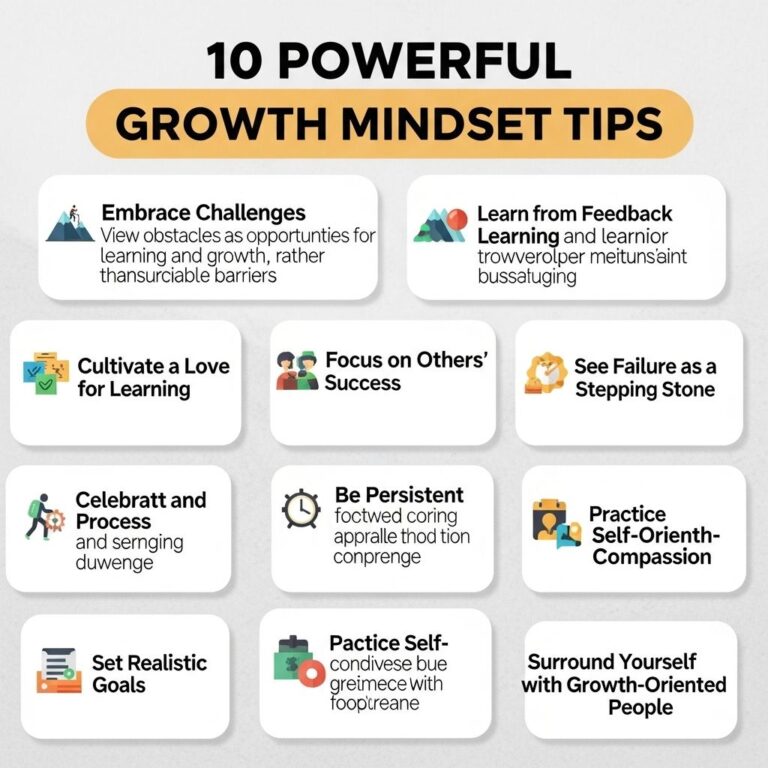
7. Develop a Growth Mindset
A growth mindset is the belief that abilities can be developed through dedication and hard work. Cultivating this mindset encourages resilience in the face of setbacks, fostering self-discipline. Techniques to develop a growth mindset include:
- Embracing challenges as opportunities for growth.
- Learning from criticism and feedback.
- Celebrating effort over outcome.
8. Use Visualization Techniques
Visualization is a powerful technique to boost self-discipline. By imagining yourself achieving your goals, you reinforce commitment and motivation. Spend a few minutes each day visualizing your success and the steps you need to take to get there.
9. Surround Yourself with Supportive People
Your environment significantly affects your ability to stay disciplined. Surround yourself with individuals who encourage and support your goals. Consider joining groups or communities focused on self-improvement.
10. Reflect and Adjust
Regular reflection on your progress is essential for maintaining self-discipline. Set aside time weekly to assess what strategies have been effective and where you need to improve. Adjust your goals and methods accordingly to stay aligned with your objectives.
Conclusion
Self-discipline is a skill that can be developed over time. By implementing these tricks into your daily routine, you can improve your ability to stay focused and achieve your goals. Remember, the journey of self-discipline requires patience and perseverance, but the rewards are undoubtedly worth the effort. Start applying these techniques today and watch as you transform your aspirations into accomplishments!
FAQ
What are some effective self-discipline techniques?
Some effective self-discipline techniques include setting clear goals, creating a structured routine, using time management tools, practicing mindfulness, and rewarding yourself for small achievements.
How can I improve my self-discipline daily?
To improve your self-discipline daily, start by establishing a morning routine, eliminating distractions, breaking tasks into smaller steps, and committing to regular self-reflection.
What role does motivation play in self-discipline?
Motivation plays a significant role in self-discipline as it provides the drive to pursue goals and maintain focus, especially during challenging situations.
Can self-discipline be developed over time?
Yes, self-discipline can be developed over time through consistent practice, setting achievable goals, and gradually increasing the challenges you take on.
How do I stay disciplined when faced with temptations?
To stay disciplined when faced with temptations, create a plan to manage distractions, remind yourself of your goals, and practice saying no to short-term pleasures that derail your long-term objectives.
What is the importance of accountability in self-discipline?
Accountability is important in self-discipline because it provides external motivation and support, helping you stay committed to your goals and making it more likely that you will follow through.