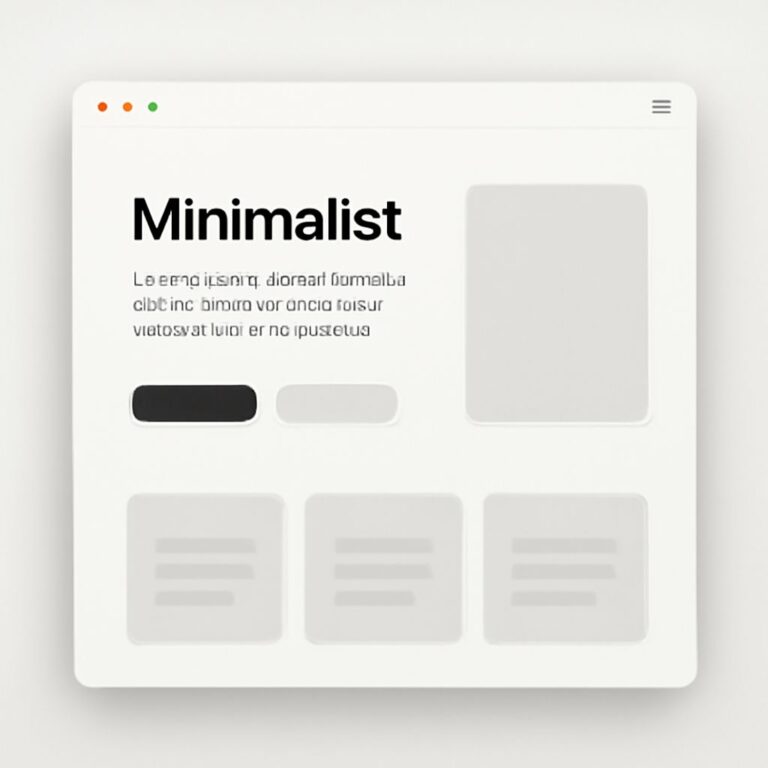
As we approach 2025, the digital landscape continues to evolve rapidly. Businesses and individuals alike must adapt to these changes to stay relevant and maintain a competitive edge. Revamping your website is not just about aesthetics; it involves understanding emerging trends, user experience, and technology. This article explores essential strategies to modernize your site, ensuring it meets the expectations of tomorrow’s users.
Table of Contents
Understanding the Importance of Revamping
The primary reasons for revamping your site include:
- Enhanced User Experience: A fresh design can improve navigation, loading speed, and overall user satisfaction.
- SEO Optimization: Keeping your content and structure updated helps maintain visibility in search engine results.
- Staying Relevant: Trends change, and so do user preferences. A revamp ensures your site aligns with current standards.
- Technological Advancements: New tools and technologies become available regularly; leveraging these can enhance functionality.
Key Trends to Consider for 2025
1. Mobile-First Design
With the majority of users accessing websites via mobile devices, prioritizing a mobile-first approach is crucial. Here’s how to implement it:
- Responsive layouts that adapt to various screen sizes
- Optimized images for faster loading
- Touch-friendly interfaces
2. AI-Powered Personalization
Artificial Intelligence (AI) can significantly enhance user engagement through personalized experiences. Consider these implementation strategies:
- AI-driven recommendations based on user behavior
- Chatbots for immediate customer support
- Dynamic content that changes based on user profiles
3. Accessibility
Making your site accessible to everyone, including those with disabilities, is not only ethical but also expands your audience. Follow these guidelines:
- Use descriptive alt texts for images
- Implement keyboard navigation
- Ensure color contrast meets standards
Steps to Revamp Your Site
Step 1: Analyze Current Performance
Before making changes, assess your current website performance using tools like Google Analytics or SEMrush. Focus on:
- Traffic statistics
- Bounce rates
- User demographics
Step 2: Define Your Goals
Identify what you want to achieve with the revamp. Common objectives include:
- Improving load times
- Increasing user engagement
- Boosting conversion rates
Step 3: Redesign the User Interface
Consider the following elements in your redesign:
| Element | Considerations |
|---|---|
| Colors | Use a modern palette that reflects your brand |
| Typography | Select readable fonts that are consistent throughout |
| Images | Incorporate high-quality visuals that resonate with your audience |
Step 4: Optimize Content Strategy
Revamping isn’t just about visuals, your content strategy must evolve too. Key points include:
- Creating high-quality, engaging content
- Utilizing SEO best practices
- Incorporating various content types (videos, infographics, blogs)
Step 5: Implement Advanced Technologies
Leverage cutting-edge technologies that can facilitate better user experiences:
- Content Management Systems (CMS) like WordPress or Drupal
- Cloud-based hosting for scalability
- Progressive Web Apps (PWA) for enhanced performance
Post-Launch Considerations
1. Monitor Analytics
After launching your revamped site, it’s critical to continuously monitor performance. Focus on:
- User engagement metrics
- Conversion tracking
- Feedback through surveys or usability testing
2. A/B Testing
Conduct A/B tests on different elements (like call-to-action buttons or headlines) to determine what resonates best with your audience. This data-driven approach allows for informed adjustments post-launch.
3. Regular Updates
Finally, a successful website requires ongoing updates. Regularly refresh content, enhance functionality, and adapt to new trends to keep your site looking modern and functionally efficient.
Conclusion
Revamping your site for 2025 is not merely about keeping up with trends; it’s a strategic initiative that can significantly impact user satisfaction and business growth. By focusing on user experience, leveraging technology, and continuously improving your website, you’ll ensure that your online presence remains relevant and effective in an ever-changing digital world.
FAQ
What are the key trends for website design in 2025?
In 2025, expect a focus on minimalistic designs, enhanced user experience through AI, and increased mobile optimization.
How can I improve my site’s loading speed for 2025?
Optimize images, leverage browser caching, and use a Content Delivery Network (CDN) to enhance loading speeds.
What role does SEO play in revamping a website for 2025?
SEO remains crucial; prioritize quality content, mobile-friendliness, and voice search optimization to stay competitive.
Should I integrate e-commerce features into my site for 2025?
Yes, integrating e-commerce features is essential for businesses looking to grow online sales and enhance customer convenience.
How can I make my website more accessible by 2025?
Ensure compliance with WCAG standards, use alt text for images, and provide text alternatives for videos to enhance accessibility.
What are the benefits of using AI in website revamps for 2025?
AI can personalize user experiences, improve customer support with chatbots, and analyze user data for better design decisions.