In the rapidly evolving digital landscape, protecting your data has become more critical than ever. As we move into 2025, the sophistication of cyber threats continues to rise, prompting individuals and organizations to reassess their data security strategies. This article explores the essential steps you can take to safeguard your information, highlight emerging technologies in data protection, and emphasize the importance of proactive measures.
As we navigate the digital landscape of 2025, protecting your data has never been more crucial. Implementing strong passwords, using two-factor authentication, and staying informed about the latest cybersecurity threats are essential steps to safeguard your information. For those looking to celebrate responsibly while enjoying some downtime, consider exploring high-quality beer images as a way to unwind.
Table of Contents
Understanding the Data Protection Landscape
Data protection encompasses a variety of strategies, tools, and practices aimed at safeguarding sensitive information from unauthorized access, corruption, or theft. With the explosion of data generated every day, it is crucial to understand the various threats that can compromise data security.
Common Data Threats
- Malware: Malicious software designed to disrupt, damage, or gain unauthorized access to computer systems.
- Phishing: Fraudulent attempts to obtain sensitive information by disguising as a trustworthy entity in electronic communications.
- Ransomware: A type of malware that encrypts a user’s files and demands payment for the decryption key.
- Insider Threats: Security risks that originate from within the organization, often involving employees or contractors.
- Data Breaches: Incidents where unauthorized access to confidential data occurs, compromising its integrity and confidentiality.
Steps to Secure Your Data
Protecting your data in 2025 requires a multi-faceted approach. Below, we outline some critical steps that individuals and organizations can take to enhance their data security.
1. Implement Strong Password Practices
Password security is your first line of defense. Here are some recommendations:
- Use complex passwords: Combination of letters, numbers, and symbols.
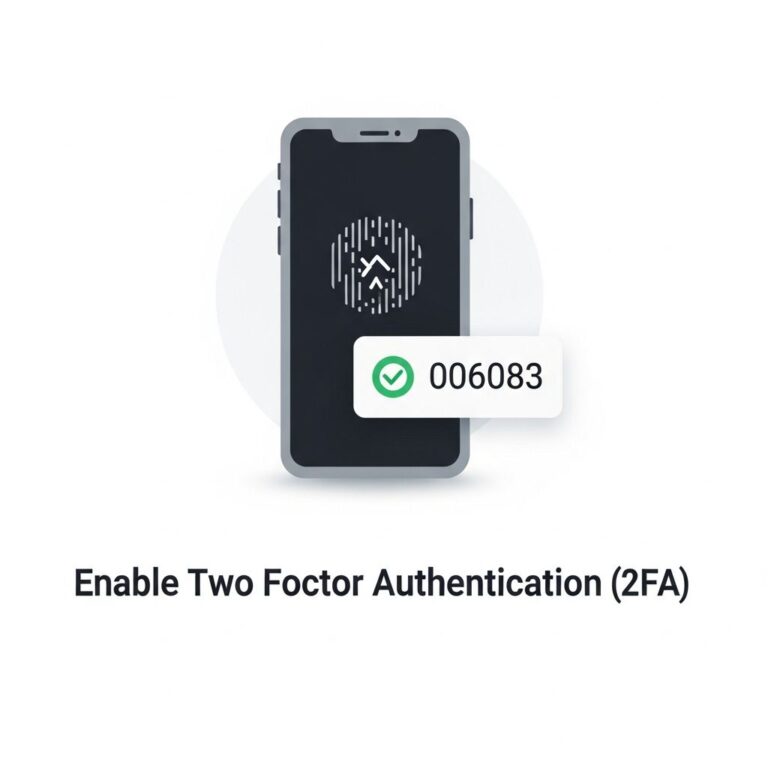
- Enable multi-factor authentication (MFA): Adds an extra layer of security.
- Change passwords regularly: At least every three to six months.
2. Utilize Data Encryption
Encryption transforms your data into a coded format that can only be read by those with the correct decryption key. Key areas to consider for encryption include:
- File encryption: Secure sensitive files on your devices.
- Disk encryption: Protect entire drives, including OS and applications.
- Communication encryption: Use tools like VPNs and encrypted messaging apps.
3. Regularly Update Software and Systems
Keeping software up-to-date is crucial for security. This includes:
- Operating systems: Enable automatic updates where possible.
- Applications: Ensure that third-party software is also updated regularly.
- Firmware: Update network hardware periodically to patch vulnerabilities.
4. Conduct Regular Security Audits
Periodic reviews of your security practices can uncover weaknesses. A typical audit process includes:
- Assessing current security measures.
- Identifying potential risks.
- Implementing necessary changes.
- Documenting audit findings and follow-up actions.
Emerging Technologies for Data Protection
As we approach 2025, several emerging technologies promise to enhance data protection. Understanding these can help you stay ahead of threats.
1. Artificial Intelligence (AI) in Security
AI can analyze patterns in data access and flag unusual behavior, helping identify potential security breaches in real time. Here are some applications:
- Automated threat detection.
- Behavioral analytics for user activity.
- Predictive analysis to forecast potential attacks.
2. Blockchain Technology
Blockchain offers a decentralized method of storing data, making it inherently secure against tampering. Key features include:
- Immutable records: Once data is written, it cannot be changed.
- Transparency: All transactions are visible on the network.
- Distributed storage: Reduces the risk of a single point of failure.
3. Zero Trust Architecture
Zero Trust is a security model that assumes threats could be both external and internal. Key principles include:
- Verify every request: Always authenticate users and devices.
- Limit access: Grant the least amount of access necessary.
- Monitor continuously: Constantly check for anomalies.
Training and Awareness
The human element is often the weakest link in data security. Regular training can significantly enhance awareness and preparedness. Consider the following:
1. Security Training Programs
Implement comprehensive training programs for employees that cover:
- Recognizing phishing attempts.
- Safe browsing practices.
- Proper data handling procedures.
2. Simulated Phishing Exercises
Conduct simulated phishing tests to help employees identify and report suspicious emails. This real-world practice can build confidence and awareness.
Building a Data Protection Culture
Ultimately, creating a culture that prioritizes data protection is essential for any organization. It involves:
- Leadership commitment: Management should set the tone for security practices.
- Open communication: Encourage sharing of security concerns and ideas.
- Recognition and rewards: Acknowledge employees who contribute to data security efforts.
Conclusion
As we look to 2025, the importance of data protection cannot be overstated. By adopting strong security practices, leveraging emerging technologies, and fostering a culture of awareness, individuals and organizations can significantly reduce their risk of data breaches and cyber threats. In an increasingly interconnected world, taking proactive steps to secure your data is not just a necessity; it is a fundamental responsibility.
FAQ
What are the best practices for data protection in 2025?
In 2025, best practices for data protection include using strong encryption, implementing multi-factor authentication, regularly updating software, conducting security audits, and training employees on data security awareness.
How can I secure my personal data online in 2025?
To secure your personal data online in 2025, use complex passwords, enable two-factor authentication, be cautious with public Wi-Fi, and regularly review your privacy settings on social media platforms.
What role does artificial intelligence play in data protection in 2025?
In 2025, artificial intelligence enhances data protection by providing advanced threat detection, automating security responses, and analyzing user behavior to identify potential vulnerabilities.
What are the risks of not protecting data in 2025?
Failing to protect data in 2025 can lead to data breaches, identity theft, financial loss, reputational damage, and legal consequences due to non-compliance with data protection regulations.
How often should I update my data protection measures in 2025?
In 2025, it is recommended to review and update your data protection measures at least quarterly, or more frequently in response to emerging threats and technological advancements.
What should I do if my data is compromised in 2025?
If your data is compromised in 2025, immediately change your passwords, notify your financial institutions, report the breach to relevant authorities, and consider enrolling in identity theft protection services.