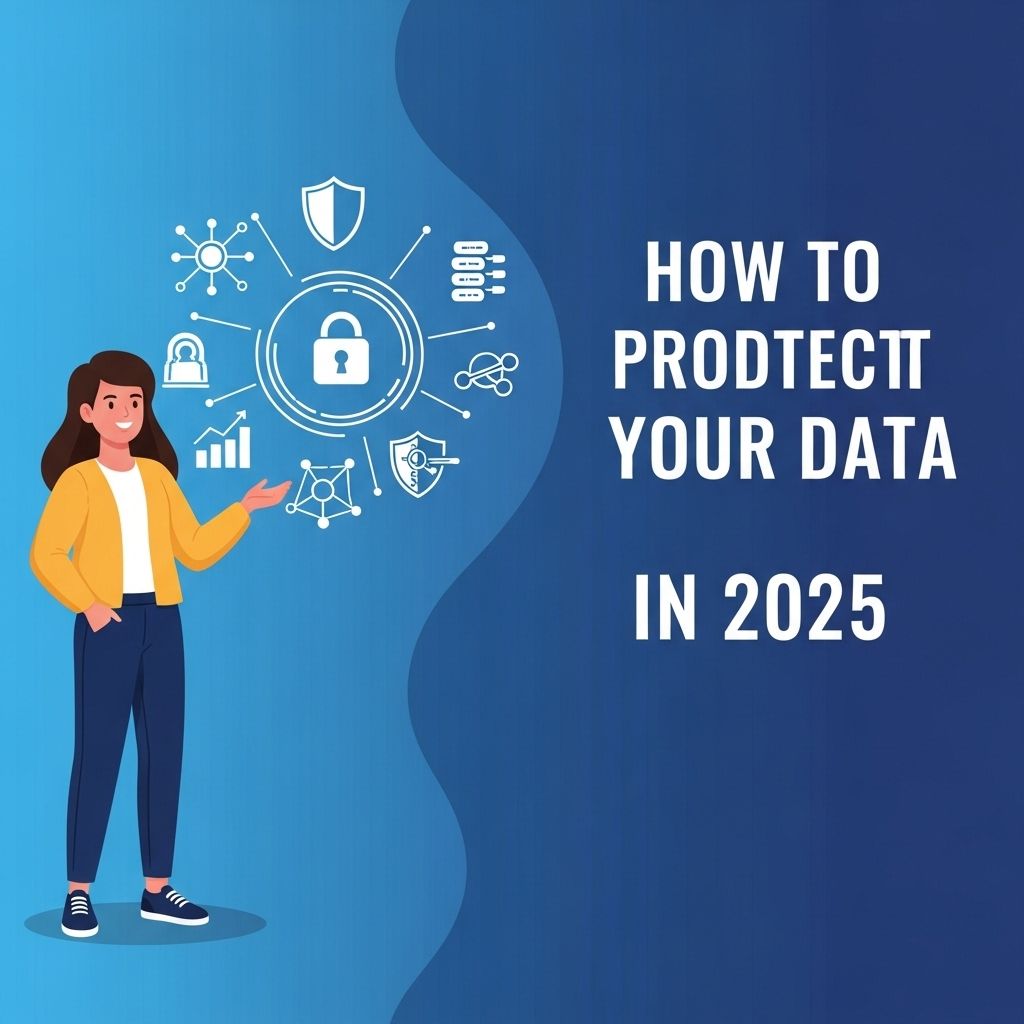
As we continue to advance into the digital age, the importance of data protection cannot be overstated. In 2025, the landscape of cybersecurity will have evolved, presenting both challenges and opportunities for individuals and organizations alike. With the increasing sophistication of cyber threats, it is essential to adopt a multi-layered approach to safeguard personal and professional data. This article explores effective strategies, technologies, and best practices to ensure your data remains secure in the upcoming year.
As we advance into 2025, safeguarding our data has become more critical than ever. Implementing essential strategies such as regular software updates, using strong passwords, and leveraging encryption will help protect sensitive information from emerging threats. For more resources to enhance your projects, you can explore various beer mockup resources.
Table of Contents
The State of Data Security in 2025
By 2025, data security will be a critical concern for businesses and individuals as cyberattacks become more frequent and complex. The rise of artificial intelligence (AI) and machine learning (ML) will be a double-edged sword, offering both enhanced security measures and new vulnerabilities that can be exploited.
Key Trends in Cybersecurity
- Increased Cloud Adoption: More organizations are migrating to cloud services, making them attractive targets for attackers.
- Rise of Ransomware: Ransomware attacks are expected to become more sophisticated, demanding higher ransoms.
- IoT Vulnerabilities: The proliferation of Internet of Things (IoT) devices will create new security challenges.
- Regulatory Compliance: Companies will face stricter compliance requirements regarding data protection.
Strategies for Effective Data Protection
To effectively shield your data in 2025, consider implementing the following strategies:
1. Utilize Strong Passwords and Authentication
Passwords are often the first line of defense against unauthorized access. Follow these guidelines:
- Use at least 12 characters, including uppercase and lowercase letters, numbers, and symbols.
- Avoid using easily guessable information, such as birthdays or pet names.
- Change passwords regularly and never reuse them across accounts.
Additionally, consider implementing multi-factor authentication (MFA) to add an extra layer of security. MFA requires users to provide two or more verification factors to gain access, significantly reducing the chances of unauthorized access.
2. Regularly Update Software and Systems
Keeping software up-to-date is crucial for protecting against vulnerabilities. This includes operating systems, applications, and antivirus software. Set up automatic updates where possible to ensure you are protected against the latest threats.
3. Encrypt Sensitive Data
Data encryption transforms your information into a format that can only be read by someone who has the decryption key. Implement encryption for:
- Data at rest (stored data)
- Data in transit (data being transmitted)
4. Educate Yourself and Your Team
Human error is often the weakest link in data security. Conduct regular training sessions for yourself and your employees to recognize phishing attempts, social engineering attacks, and other common threats. Consider using:
- Interactive training modules
- Regular security drills
- Updates on the latest cyber threats and trends
Advanced Technologies for Data Protection
Several advanced technologies are becoming essential in enhancing data security:
1. AI and Machine Learning
AI and ML tools can analyze vast amounts of data to detect patterns that may indicate a security threat. These technologies can automate responses to certain types of threats, enabling faster mitigation.
2. Zero Trust Architecture
The Zero Trust model assumes that threats could be external or internal, requiring strict identity verification for every device attempting to access networks. Key principles include:
- Never trust, always verify.
- Limit user permissions to only what is necessary.
- Continuously monitor all user and device activity.
3. Endpoint Detection and Response (EDR)
EDR solutions provide real-time monitoring and data collection from endpoint devices. This technology helps detect and respond to threats more effectively across a network of devices.
Best Practices for Personal Data Management
To protect personal data, consider the following best practices:
1. Use a Virtual Private Network (VPN)
A VPN encrypts your internet connection, making it more difficult for attackers to intercept your data. This is especially important when using public Wi-Fi networks.
2. Secure Your Home Network
To protect your home network:
- Change the default router login credentials.
- Use WPA3 encryption for your Wi-Fi.
- Disable remote management features unless necessary.
3. Backup Your Data Regularly
Regular backups can save you from data loss due to ransomware or hardware failure. Consider the 3-2-1 backup strategy:
- Keep three copies of your data.
- Store two copies on different devices.
- Keep one copy offsite or in the cloud.
Conclusion
As we approach 2025, being proactive about data protection is more important than ever. Understanding the evolving cybersecurity landscape and adopting effective strategies will empower you to safeguard your personal and organizational data. By embracing advanced technologies, fostering a culture of security awareness, and implementing best practices, you can significantly reduce the risk of data breaches and ensure the safety of your information in a rapidly changing digital world.
FAQ
What are the best practices for data protection in 2025?
To protect your data in 2025, implement strong encryption, utilize multi-factor authentication, regularly update software, and conduct regular security audits.
Why is data encryption important in 2025?
Data encryption is crucial in 2025 as it secures sensitive information from unauthorized access, ensuring that even if data is intercepted, it remains unreadable.
How can I secure my cloud data in 2025?
To secure your cloud data in 2025, choose reputable cloud service providers, enable encryption, and set strict access controls to prevent unauthorized access.
What role does awareness training play in data protection?
Awareness training is vital as it educates employees about potential threats and teaches them how to recognize phishing attempts and other security risks.
What are the emerging threats to data security in 2025?
Emerging threats in 2025 include advanced ransomware attacks, AI-driven cyber threats, and increased phishing schemes targeting remote workers.
How can businesses ensure compliance with data protection regulations in 2025?
Businesses can ensure compliance by staying updated on regulations, conducting regular audits, and implementing necessary changes to their data protection policies.