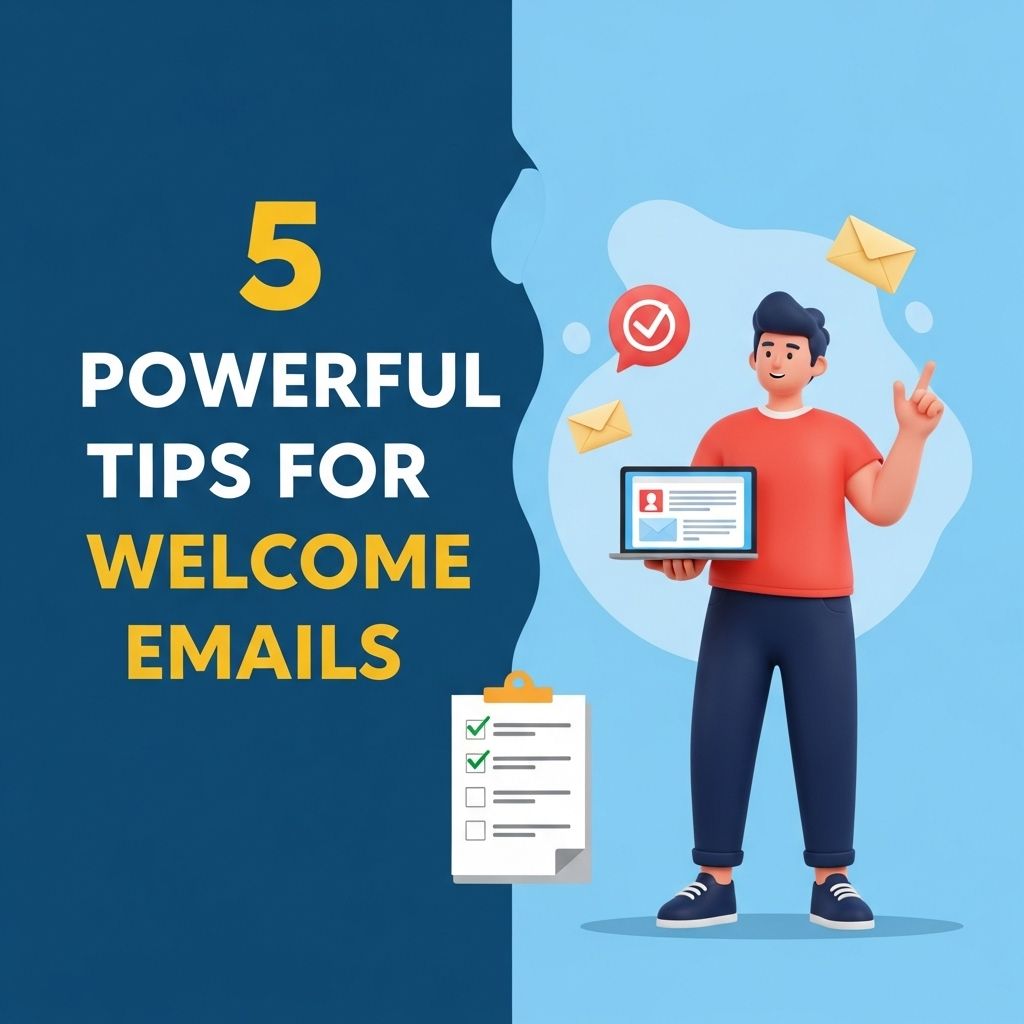
Email communication remains a vital strategy for businesses looking to engage customers, enhance user experience, and drive conversions. Among the various types of emails, welcome emails hold a special place. They serve as a first impression for new subscribers and set the tone for future interactions. Crafting an effective welcome email can significantly impact customer retention rates and brand loyalty. This article dives into powerful tips that can elevate your welcome email strategy to ensure you make the most of this crucial touchpoint.
Crafting an effective welcome email is crucial for making a positive first impression with new subscribers. By utilizing a few powerful tips, you can engage your audience right from the start and encourage them to connect with your brand more deeply. For example, incorporating visually appealing elements, like bag mockup templates, can enhance your email’s aesthetic appeal while showcasing your products.
Table of Contents
Understanding the Importance of Welcome Emails
Welcome emails are typically the first communication a new subscriber receives after signing up for a newsletter or service. According to studies, welcome emails have an average open rate of 82%, significantly higher than standard email campaigns. This means that the opportunity to engage with your audience is ripe right from the start.
Key Benefits of Welcome Emails
- First Impression: The first email sets the tone for all future communication, giving you a chance to showcase your brand’s personality and values.
- Building Relationships: Welcome emails help foster a sense of connection with your audience by offering personalization and tailored content.
- Increased Engagement: A warm welcome can increase user engagement, leading to higher click-through rates and potential conversions.
- Setting Expectations: It allows you to inform subscribers what they can expect from your emails and how often they will hear from you.
1. Personalization is Key
In an era where consumers are bombarded with generic communication, personalization stands out. Tailoring your welcome email to the specific interests and needs of your subscribers can greatly enhance their experience.
Ways to Personalize Your Welcome Email
- Use Their Name: Addressing subscribers by their first name in the subject line and body creates a sense of familiarity.
- Segment Your Audience: Based on the information collected during signup, segment your audience to send relevant content.
- Tailor Content: Refer to the interests they expressed during the signup process and include content that aligns with those interests.
2. Craft a Compelling Subject Line
The subject line is the first thing subscribers see; thus, it should be crafted with care. A compelling subject line can significantly increase open rates and prompt subscribers to engage with your content.
Best Practices for Subject Lines
| Tip | Description |
|---|---|
| Keep It Short | Ideally, aim for 50 characters or less to ensure it displays well on mobile devices. |
| Use Actionable Language | Encourage engagement by using verbs that prompt action. |
| Create Curiosity | Use intriguing language to pique interest without giving everything away. |
| Include Emojis | Consider using relevant emojis to add personality and draw attention, but don’t overdo it. |
3. Provide Value Right Away
A welcome email should do more than just greet the subscriber. It should offer immediate value to encourage an ongoing relationship.
Value-Adding Elements to Include
- Exclusive Discounts: Offer a welcome discount or coupon code as a token of appreciation for subscribing.
- Useful Resources: Share links to helpful blog posts, guides, or tutorials that align with their interests.
- Access to Premium Content: Provide free resources such as eBooks or webinars that add value to their experience.
4. Include Clear Calls to Action
Every email should have a goal, and your welcome email is no exception. Clear calls to action (CTAs) guide subscribers on what to do next, whether it’s exploring your website, following you on social media, or making a purchase.
Designing Effective CTAs
- Make It Visually Stand Out: Use contrasting colors and bold text to draw attention to your CTAs.
- Use Action-Oriented Language: Phrases like ‘Start Shopping,’ ‘Claim Your Discount,’ or ‘Download Now’ encourage immediate action.
- Limit Choices: Too many options can overwhelm subscribers, so focus on one or two primary CTAs.
5. Optimize for Mobile
A significant portion of emails is opened on mobile devices, making it essential to ensure your welcome email looks great and functions well on smaller screens.
Mobile Optimization Strategies
- Simplified Design: Use a clean layout with a single column design and large font sizes for readability.
- Responsive Design: Ensure your email template adjusts to different screen sizes automatically.
- Test CTAs: Make sure buttons are easy to click and spaced appropriately to avoid misclicks.
Conclusion
Welcome emails present a unique opportunity to make a lasting impression on new subscribers. By personalizing content, crafting compelling subject lines, providing immediate value, including clear calls to action, and optimizing for mobile, businesses can create a powerful welcome email that enhances customer relationships and drives engagement.
Implement these tips to your email marketing strategy, and watch as your open rates, click-through rates, and overall customer satisfaction improve. Remember, a great first impression can lead to a strong and lasting customer relationship.
FAQ
What is the purpose of a welcome email?
A welcome email is designed to greet new subscribers or customers, set the tone for future communications, and provide essential information about your brand or service.
How can I make my welcome email more engaging?
You can make your welcome email more engaging by personalizing it with the recipient’s name, using a friendly tone, and including visually appealing elements such as images or graphics.
What should be included in a welcome email?
A welcome email should include a warm greeting, a brief introduction to your brand, what the subscriber can expect from future emails, and any special offers or resources.
How often should I send welcome emails?
It’s best to send a welcome email immediately after someone subscribes or makes a purchase, and you can follow up with a series of welcome emails over the next few days to further engage the recipient.
Can I automate my welcome email process?
Yes, you can automate your welcome email process using email marketing platforms that allow you to set up automated workflows, ensuring that every new subscriber receives your welcome message promptly.