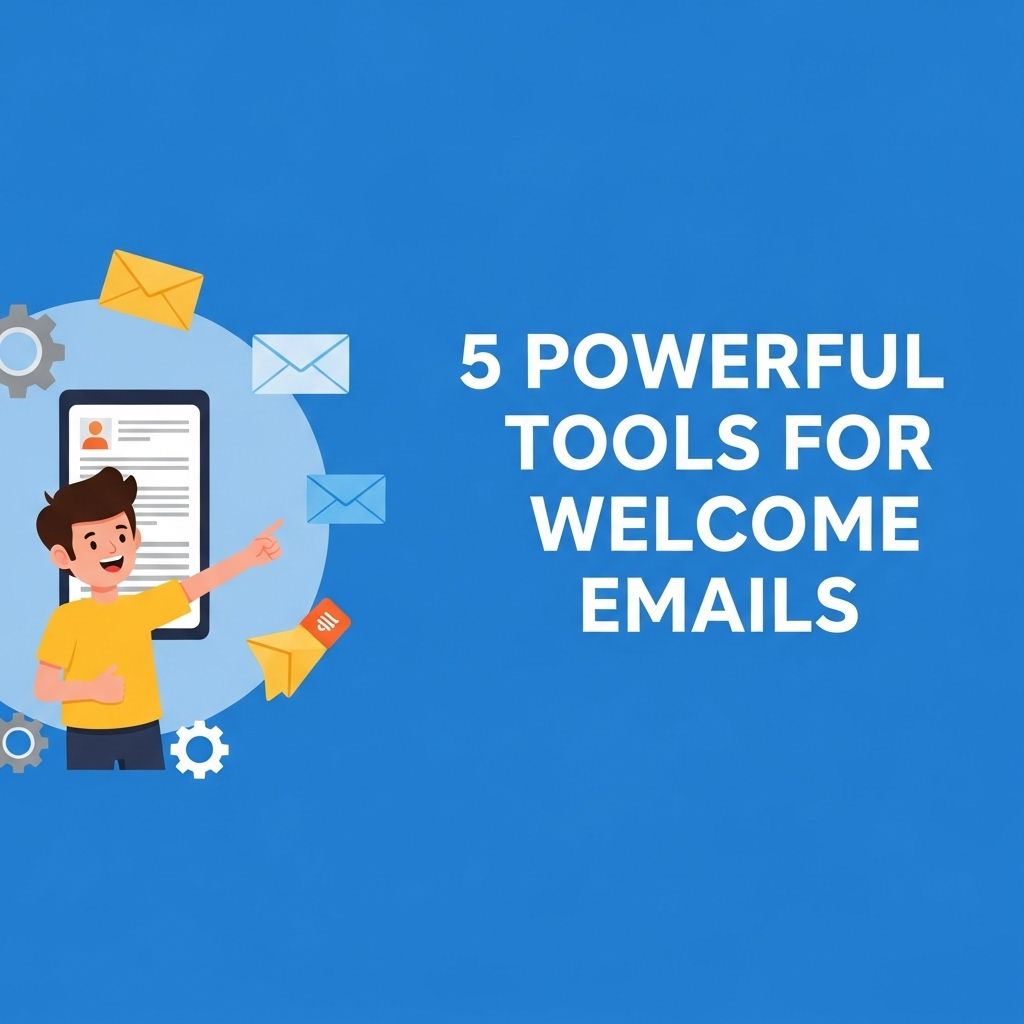
In the digital age, the first impression is often made through email. Welcome emails serve as a critical touchpoint between brands and their customers, setting the tone for all subsequent interactions. A well-crafted welcome email can increase engagement rates, boost customer retention, and build a loyal customer base. However, creating these impactful emails requires the right tools. In this article, we’ll explore five powerful tools that can help you design, send, and analyze your welcome email campaigns effectively.
Crafting the perfect welcome email is essential for making a strong first impression with your subscribers. Utilizing powerful tools can streamline this process, ensuring your emails are visually appealing and effectively communicate your message. For those looking to enhance their email design, exploring realistic bag mockup examples can provide inspiration and elevate your brand’s presentation.
Table of Contents
1. Mailchimp
Mailchimp is one of the most popular email marketing platforms available today, catering to businesses of all sizes. It offers a user-friendly interface that simplifies the process of creating and managing email campaigns.
Key Features:
- Drag-and-Drop Editor: Easily create visually appealing emails without any coding knowledge.
- Segmentation: Target specific customer groups for personalized welcome emails.
- Analytics: Track open rates, click rates, and conversions.
- Automated Workflows: Set up automated welcome email series triggered by user actions.
Mailchimp also provides various templates, allowing you to craft elaborate welcome emails that align with your brand identity. With its extensive library of tools, you can enhance your email marketing strategy effortlessly.
2. Sendinblue
Sendinblue is an all-in-one marketing platform that combines email marketing, SMS marketing, and CRM functionalities, making it a versatile choice for businesses looking to establish a strong online presence.
Why Choose Sendinblue?
- Email Automation: Create workflows to send welcome emails based on user actions, like signing up or making a purchase.
- Advanced Analytics: Measure the performance of your welcome emails and optimize strategies based on real data.
- SMS Marketing: Leverage SMS to complement your email campaigns for a more integrated approach.
- Responsive Design: All emails created are mobile-friendly, ensuring optimal viewing on any device.
Sendinblue is particularly powerful because it allows for real-time tracking of user interactions, enabling businesses to adjust their marketing strategies on the fly.
3. ConvertKit
For content creators and small businesses, ConvertKit offers a simple yet effective email marketing solution. It focuses primarily on building and nurturing relationships with your audience.
Features of ConvertKit:
- Subscriber Forms: Easily create forms to collect emails and grow your list.
- Visual Automation: Use a visual workflow builder to create automated sequences for welcome emails.
- Tagging System: Segment leads based on their interests for more targeted communication.
- Landing Pages: Create high-converting landing pages to attract new subscribers.
ConvertKit’s simplicity and focus on user experience make it a favored choice among bloggers and influencers looking to engage their audiences effectively.
4. ActiveCampaign
ActiveCampaign is known for its robust automation features that cater to businesses of all sizes. It goes beyond traditional email marketing by providing a complete customer experience automation solution.
Core Features:
- Automation Builder: Create complex email sequences with a user-friendly visual builder.
- Dynamic Content: Personalize emails based on subscriber behavior and preferences.
- CRM Integration: Manage customer relationships and track interactions seamlessly.
- Advanced Segmentation: Tailor your welcome emails based on user data and engagement levels.
With its powerful features, ActiveCampaign ensures that your welcome emails not only reach your audience but also resonate with them on a personal level.
5. HubSpot
HubSpot is a comprehensive inbound marketing solution that includes powerful email marketing features. It’s designed for businesses looking to attract visitors, convert leads, and delight customers.
Strengths of HubSpot:
- Personalization: Use customer data to personalize your welcome emails based on their preferences.
- Templates and A/B Testing: Create stunning emails and test different versions to optimize performance.
- Lead Management: Manage and nurture leads effectively through the sales funnel.
- Integration with CRM: Seamlessly connect email marketing efforts with your sales and customer service teams.
HubSpot is ideal for businesses seeking a complete solution that integrates email marketing with other critical business functions.
Conclusion
A strong welcome email strategy can significantly impact your customer engagement and retention rates. The tools mentioned above are among the best available, each offering unique features that cater to different business needs. By leveraging these technologies, you can create compelling and effective welcome emails that resonate with your audience and help you achieve your marketing goals.
In summary, consider your specific requirements, such as budget, technical skills, and marketing objectives, when selecting the right tool. Each of these platforms can help you craft a memorable first impression and set your brand up for success in the digital landscape.
FAQ
What are welcome emails and why are they important?
Welcome emails are the first communication sent to new subscribers or customers. They are important because they set the tone for the relationship, increase engagement, and can lead to higher retention rates.
What tools can I use to create effective welcome emails?
Some powerful tools for creating effective welcome emails include Mailchimp, ActiveCampaign, ConvertKit, Sendinblue, and HubSpot. These platforms offer customizable templates and automation features.
How can automation enhance my welcome email strategy?
Automation allows you to send personalized welcome emails immediately after a user subscribes or makes a purchase, ensuring timely communication and engagement without manual effort.
What elements should I include in my welcome email?
A good welcome email should include a warm greeting, a brief introduction, what the subscriber can expect, links to useful resources, and a call to action.
How can I measure the success of my welcome emails?
You can measure success through metrics such as open rates, click-through rates, conversion rates, and overall engagement levels. Most email marketing tools provide analytics to track these metrics.
Can I personalize my welcome emails, and how?
Yes, personalizing welcome emails can significantly improve engagement. You can personalize by using the subscriber’s name, referencing their interests, or recommending products based on their preferences.