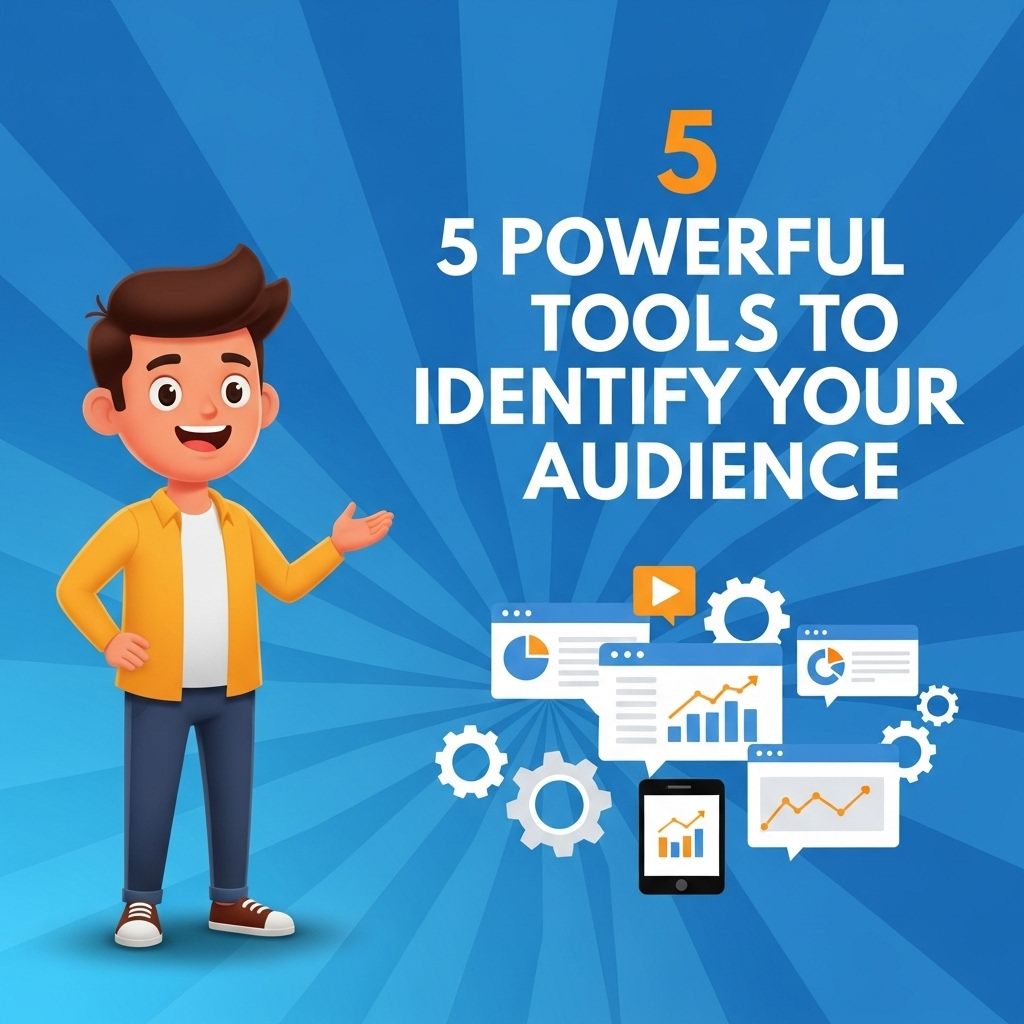
Identifying your audience is a crucial aspect of any marketing strategy. With the ever-evolving digital landscape, leveraging the right tools can significantly enhance your ability to understand who your audience is, what they want, and how to effectively reach them. In this article, we will explore five powerful tools that can help you identify and analyze your target audience, enabling you to craft tailored marketing strategies that resonate with your potential customers.
Identifying your audience is crucial for effective marketing strategies and successful content creation. In this article, we will explore 5 powerful tools that can help you gain insights into your target demographics and preferences. Plus, enhance your promotional efforts with eye-catching designs, like those found in download free bag mockups.
Table of Contents
1. Google Analytics
Google Analytics is a robust web analytics tool that provides in-depth insights into your website’s traffic and user behavior. By utilizing this platform, marketers can gain a comprehensive understanding of their audience demographics, interests, and behaviors. Here’s how you can effectively use Google Analytics to identify your audience:
Key Features:
- Audience Reports: Analyze demographic data such as age, gender, and location.
- Acquisition Channels: Understand how users find your website—whether through organic search, social media, or other channels.
- User Behavior: Track how users interact with your site, including page views, session duration, and bounce rates.
- Conversion Tracking: Measure the effectiveness of your conversion strategies by tracking user actions.
2. Facebook Audience Insights
Facebook Audience Insights is a powerful tool designed for marketers looking to understand their audience on the platform. This tool offers extensive data about Facebook users, which can be particularly useful for businesses targeting specific demographics. Here’s a closer look at what Facebook Audience Insights offers:
Key Features:
- Demographic Information: Gain insights into the age, gender, location, and language preferences of your audience.
- Interests: Discover what your audience likes, including pages they follow and hobbies.
- Behavior Patterns: Learn about your audience’s purchasing behavior and online activity.
Using the Data:
Using Facebook Audience Insights, you can create highly-targeted advertising campaigns that appeal to your specific audience segments, making your marketing efforts more efficient.
3. SEMrush
SEMrush is an all-in-one marketing toolkit that provides valuable insights into both your competitors and your audience. Its features allow marketers to explore audience behavior from an SEO and content marketing perspective. Here’s how SEMrush can help you identify your audience:
Key Features:
| Feature | Description |
|---|---|
| Keyword Research | Identify relevant keywords that your audience is searching for. |
| Market Insights | Analyze your competitors’ strategies to understand what attracts their audience. |
| Traffic Analysis | Gain insights into the traffic sources and user engagement metrics of competing sites. |
4. HubSpot
HubSpot is renowned for its inbound marketing solutions, but it also provides excellent tools for audience identification. HubSpot’s analytics and customer relationship management (CRM) tools can help you gather detailed information about your audience. Here’s what makes HubSpot invaluable:
Key Features:
- Contact Management: Organize and analyze customer data based on behavior and demographics.
- Email Analytics: Monitor engagement metrics from your email campaigns to see what resonates with your audience.
- Form Submissions: Use form submissions to gather data directly from your audience regarding their preferences and interests.
5. BuzzSumo
BuzzSumo is a content research and monitoring tool that can help you identify key influencers in your niche and understand what content performs best among your audience. This platform is particularly useful for content marketers looking to craft engaging material that connects with their audience. Here’s how to leverage BuzzSumo:
Key Features:
- Content Analysis: See which types of content are performing best based on shares and engagement metrics.
- Influencer Identification: Identify key influencers in your industry who can help amplify your message.
- Trending Topics: Discover trending topics that can inspire your content strategy.
Developing a Content Strategy:
By utilizing BuzzSumo, you can create targeted content strategies based on actual audience interests and engagement, ensuring that your content resonates with your target market.
Conclusion
Understanding your audience is not just a marketing tactic; it’s a vital necessity in today’s digital world. Each of the tools highlighted above offers unique insights and advantages, allowing you to build a comprehensive understanding of your target market. By integrating these tools into your marketing strategy, you can create more effective campaigns, foster better engagements, and ultimately drive conversion rates. Start leveraging these powerful tools today to identify and understand your audience more deeply.
FAQ
What are the best tools to identify my audience?
Some powerful tools to identify your audience include Google Analytics, Facebook Audience Insights, SEMrush, SurveyMonkey, and BuzzSumo.
How does Google Analytics help in audience identification?
Google Analytics provides detailed insights into user demographics, behavior, and interests, allowing you to understand who visits your website.
Can social media tools help with audience identification?
Yes, tools like Facebook Audience Insights and Twitter Analytics can help you analyze your followers’ demographics, interests, and engagement patterns.
How can I use surveys to identify my audience?
Surveys, such as those created with SurveyMonkey, allow you to directly ask your audience about their preferences, behaviors, and demographics.
What role does content analysis play in audience identification?
Content analysis tools like BuzzSumo help you identify what topics resonate with your audience by analyzing engagement metrics on existing content.
Why is understanding my audience important for marketing?
Understanding your audience helps tailor your marketing strategies, improve engagement, and increase conversions by targeting the right people with the right message.