Capturing stunning photographs is both an art and a science. Whether you’re a budding photographer seeking to enhance your skills or a seasoned professional looking for fresh inspiration, knowing the right techniques can elevate your photography game to new heights. This article explores ten powerful techniques that can help you create captivating images, drawing the viewer’s eye and leaving a lasting impression.
Capturing stunning photographs requires more than just a good eye; it involves employing powerful techniques that elevate your images. From mastering lighting to understanding composition, these 10 techniques can make a significant difference in your photography skills. Explore best bag mockup designs to see how presentation can enhance your work.
Table of Contents
1. Mastering Composition
The foundation of any great photo lies in its composition. A well-composed image can transform an ordinary scene into an extraordinary one.
Rule of Thirds
One of the most popular compositional techniques is the Rule of Thirds. By dividing your frame into a 3×3 grid, you can position key elements along the grid lines or at their intersections. This technique can draw attention to your subject and create balance.
- Place the horizon along the top or bottom third.
- Position subjects off-center to create more dynamic images.
2. Utilizing Natural Light
Light is arguably the most crucial element in photography. Harnessing natural light can significantly enhance your images.
Golden Hour
The golden hour, the period shortly after sunrise or before sunset, offers soft, warm light that enhances color and reduces harsh shadows.
Backlighting
Backlighting can create dramatic effects, emphasizing shapes and silhouettes. Position your subject with the light source behind them to create a striking image.
3. Experimenting with Angles
Changing your perspective can lead to unique and captivating photos. Experiment with different angles and heights to find the most compelling shot.
Low Angle Shots
Shooting from a low angle can give your subject a sense of power and dominance.
High Angle Shots
Conversely, a high angle can make subjects appear smaller and more vulnerable.
4. Incorporating Leading Lines
Leading lines are lines within an image that lead the viewer’s eye to the main subject. They can be found in various forms, such as roads, rivers, or architectural features.
Types of Leading Lines
Here are some common types of leading lines:
- Straight lines: roads or paths.
- Curved lines: rivers or winding trails.
- Diagonal lines: building edges or fences.
5. Playing with Depth of Field
Depth of field refers to the amount of the scene that is in focus. Manipulating this can create stunning visual effects.
Shallow Depth of Field
A shallow depth of field isolates your subject from the background, creating a pleasing bokeh effect. This technique is especially useful in portrait photography.
Deep Depth of Field
A deep depth of field keeps everything in focus, making it ideal for landscape photography.
6. Mastering Post-Processing
Post-processing is an essential phase in digital photography. Proper editing can take your photos from good to great.
Essential Editing Tools
Here are some popular editing software options:
| Software | Best For |
|---|---|
| Adobe Lightroom | Organizing and enhancing photos |
| Adobe Photoshop | Advanced editing and manipulation |
| Capture One | Professional-grade RAW processing |
7. Understanding the Exposure Triangle
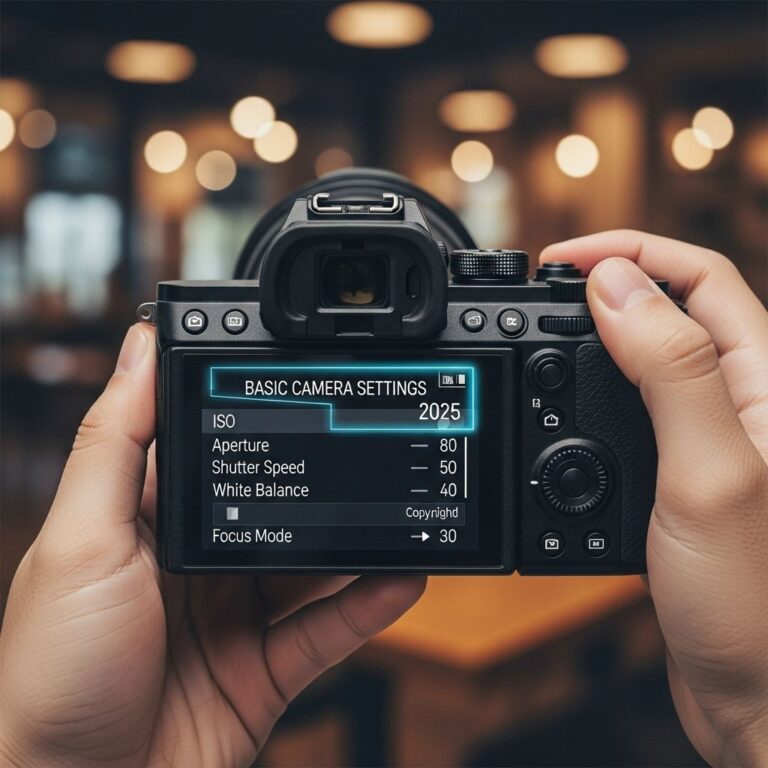
The exposure triangle consists of three elements: aperture, shutter speed, and ISO. Mastering these will give you control over how your images are captured.
Aperture
Aperture affects depth of field and the amount of light entering the camera. A lower f-stop number means a wider aperture.
Shutter Speed
Shutter speed determines how long the camera’s sensor is exposed to light. Fast shutter speeds freeze motion, while slow speeds create motion blur.
ISO
ISO controls the camera’s sensitivity to light. Higher ISO settings are useful in low-light situations but can introduce noise.
8. Telling a Story
Every photograph has the power to tell a story. Capturing emotions and moments can create a connection with your audience.
Emotion and Expression
Focus on capturing genuine emotions and expressions. Candid shots often convey more feeling than posed ones.
Contextual Elements
Include elements that provide context to the story. Background details can enhance the narrative of your photograph.
9. Creating Texture and Detail
Texture can add depth and interest to your photos. Look for patterns, surfaces, and details in your environment.
Macro Photography
Macro photography allows you to capture intricate details of small subjects. Use a macro lens to get up close and personal.
Textures in Nature
Natural textures, such as the bark of a tree or the petals of a flower, can create beautiful compositions.
10. Continuous Learning and Experimentation
The world of photography is constantly evolving. Continuous learning and experimentation are key to growth.
Participate in Workshops
Workshops can provide hands-on experience with guidance from professionals.
Join Photography Communities
Engaging with fellow photographers can inspire new ideas and techniques.
Conclusion
Employing these powerful techniques in your photography can help you create captivating images that resonate with viewers. Remember, the journey of photography is as important as the destination; keep experimenting and learning to refine your skills. With practice and creativity, you’ll develop your unique style and voice in the world of photography.
FAQ
What are some techniques for taking captivating photos?
Some powerful techniques include playing with natural light, using leading lines, experimenting with angles, incorporating framing elements, and understanding the rule of thirds.
How important is lighting in photography?
Lighting is crucial in photography as it affects the mood, clarity, and overall aesthetic of your images. Natural light often provides the best results.
What is the rule of thirds in photography?
The rule of thirds is a composition principle that suggests dividing the image into a 3×3 grid and placing key elements along the lines or at their intersections for a balanced and engaging composition.
How can I use angles to enhance my photography?
Experimenting with different angles, such as shooting from above or below, can create unique perspectives and add depth to your photographs.
What is the importance of framing in photography?
Framing involves using elements in your environment to create a ‘frame’ around your subject, which can help draw attention and add context to the image.
How can I make my photos more engaging?
To make your photos more engaging, focus on your subject, capture emotions, use vibrant colors, and tell a story through your images.