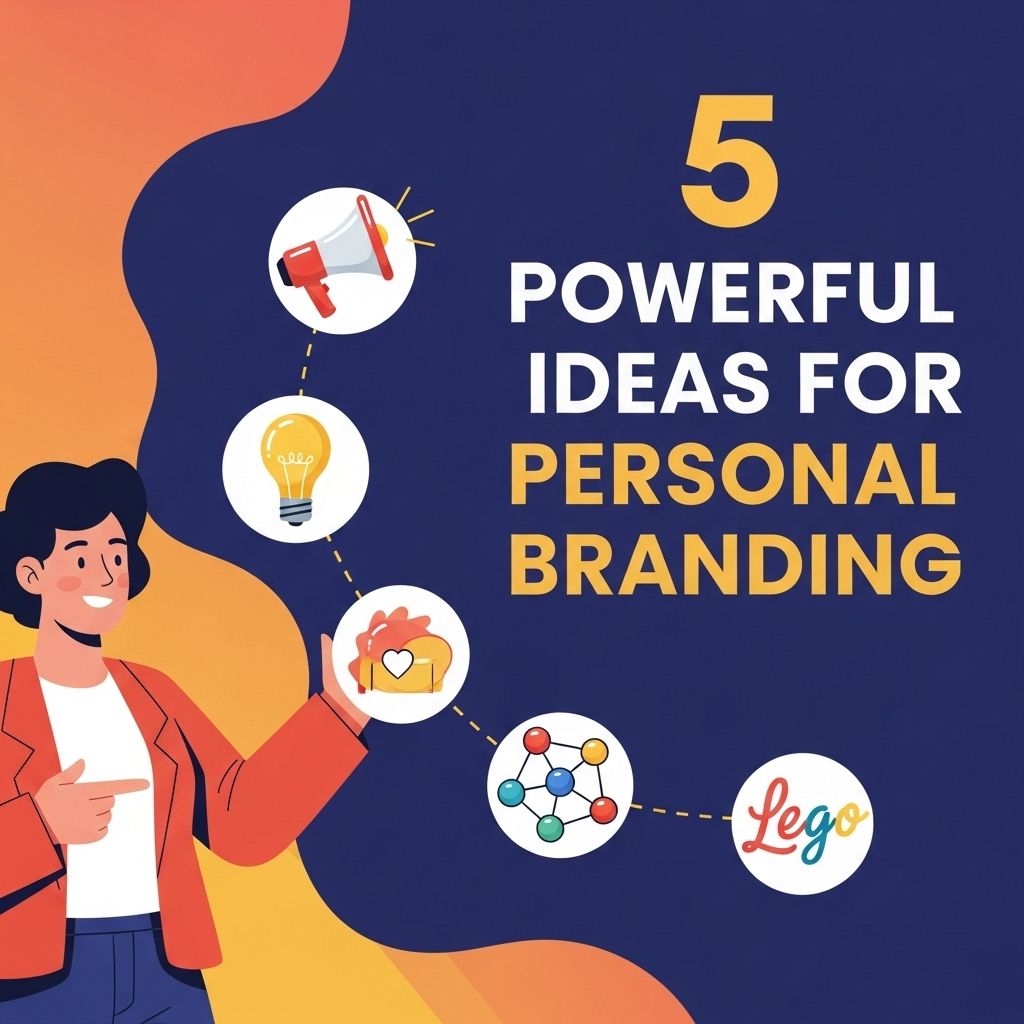
In today’s digital age, personal branding has become more essential than ever. Whether you’re a freelancer, entrepreneur, or corporate professional, how you present yourself online can significantly impact your career and opportunities. By establishing a strong personal brand, you can cultivate a unique image that reflects your values, skills, and expertise. Here, we explore five powerful ideas to help you build and enhance your personal brand effectively.
Table of Contents
1. Define Your Personal Brand Identity
The first step in creating a personal brand is defining who you are and what you stand for. This involves self-reflection and clarity on your core values, skills, and the unique qualities that set you apart. Consider the following:
- What are your passions? Identify what drives you and what you enjoy doing.
- What skills do you possess? Assess your professional competencies and strengths.
- Who is your target audience? Determine who you want to reach and influence.
By answering these questions, you can start to develop a personal brand statement that encapsulates your essence.
2. Build an Online Presence
In the modern landscape, having a robust online presence is crucial for personal branding. This includes strategic use of social media, a professional website, and engaging with industry-specific platforms.
Social Media Strategy
Select the platforms that resonate most with your target audience. For instance:
| Platform | Best For | Key Features |
|---|---|---|
| Professional networking | Profiles, posts, articles | |
| Visual storytelling | Images, stories, reels | |
| Real-time updates | Tweets, threads, engagement | |
| Community building | Groups, pages, events |
Consistency is key. Ensure that your bio, profile pictures, and messaging align across all platforms to create a cohesive brand image.
Professional Website
Having a personal website acts as the central hub for your personal brand. Consider including:
- About Me: A section that provides insights into your background and expertise.
- Portfolio: Showcase your work, projects, or case studies.
- Blog: Share valuable content that highlights your knowledge and thought leadership.
3. Create Valuable Content
Content creation is a powerful tool for establishing authority in your field. By sharing insights, knowledge, and experiences, you can engage your audience and position yourself as a thought leader. Here are a few strategies:
Blogging
Maintain a blog where you regularly post articles related to your industry. Focus on:
- Trends and news in your field
- How-to guides and tutorials
- Personal experiences and lessons learned
Video Content
Consider using platforms like YouTube or TikTok to create video content. Visual storytelling can grab attention and make your message more relatable.
Podcasts
Starting a podcast allows you to engage with your audience in a conversational manner. Discuss trends, interview experts, or provide insights in your niche.
4. Network Authentically
Networking is a crucial aspect of personal branding. Building relationships with others in your field can open doors and create opportunities. Here’s how to network authentically:
Attend Events and Conferences
Participate in industry-related events, whether virtual or in-person. These provide excellent opportunities to meet like-minded individuals.
Join Professional Organizations
Become a member of organizations pertinent to your profession. This not only expands your network but also enhances your credibility.
Utilize Online Communities
Engage in online forums, groups, or platforms such as LinkedIn or Reddit. Offer insights, answer questions, and connect with others in your industry.
5. Monitor and Adapt Your Brand
Your personal brand is not a one-time effort; it requires ongoing monitoring and adaptation. Regularly assess how your brand is perceived and make adjustments as necessary.
Feedback and Reflection
Seek feedback from peers, mentors, and your audience. Use their insights to identify areas of improvement. Consider:
- Are you effectively communicating your message?
- Is your online presence still relevant?
- Are you engaging with your audience?
Stay Updated
Stay attuned to changes in your industry. Trends evolve, and it’s essential to pivot your branding strategies accordingly. Participate in continuous learning, attend workshops, and keep up with emerging technologies.
Building a powerful personal brand can significantly enhance your professional life. By following these five ideas, you’ll be well on your way to establishing a memorable and impactful personal brand that resonates with your audience. Remember, authenticity and consistency are the cornerstones of effective personal branding. Start today and watch as your personal and professional opportunities expand!
FAQ
What is personal branding?
Personal branding is the practice of marketing yourself and your career as a brand. It involves defining your unique attributes and values to create a memorable impression.
Why is personal branding important?
Personal branding is important because it helps you stand out in a competitive job market, builds credibility, and establishes a strong online presence.
How can I define my personal brand?
To define your personal brand, identify your strengths, passions, values, and what makes you unique. Consider how you want to be perceived by others.
What are some effective strategies for personal branding?
Effective strategies for personal branding include creating a professional website, utilizing social media platforms, networking, and consistently sharing valuable content.
How can I leverage social media for personal branding?
You can leverage social media by sharing your expertise, engaging with your audience, and showcasing your personality and achievements to build a strong online presence.
What role does consistency play in personal branding?
Consistency is crucial in personal branding as it helps to reinforce your message, build trust with your audience, and create a recognizable image across all platforms.