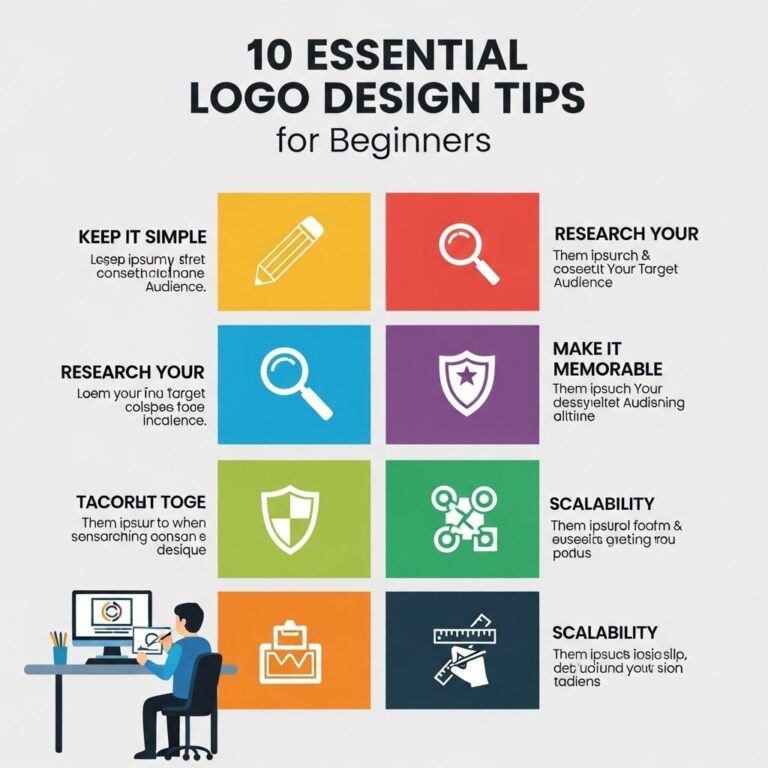
In the world of branding, a logo is often the first impression a business makes on its customers. It’s an essential visual component that communicates the essence of the brand and its values. Designing a logo that stands out and resonates with the target audience is crucial for success. Here are some powerful tips that can guide you through the logo design process, ensuring that your creation is not only visually appealing but also impactful and memorable.
Table of Contents
Understanding the Brand
Before you even begin sketching out ideas, it is vital to have a deep understanding of the brand you are designing for. This includes:
- Target Audience: Identify who your audience is. Different demographics respond to different styles and colors.
- Brand Values: What does the brand stand for? Understanding its core values will help create a logo that reflects the brand’s mission.
- Competitive Landscape: Analyze competitors’ logos. Knowing what works and what doesn’t in the industry will give your design a unique edge.
Conducting Research
Research is a critical step in the logo design process. This includes both secondary research (looking at existing logos) and primary research (gathering insights from stakeholders).
Exploring Design Styles
Logos can take on various design styles. Here are a few popular styles to consider:
- Wordmarks: Logos that consist of the brand name alone, such as Google or Coca-Cola.
- Lettermarks: These use initials or acronyms, like IBM or CNN.
- Iconic Logos: These logos use symbols and icons to represent the brand, such as Apple or Nike.
- Combination Marks: A mix of text and a symbol, like Adidas or Burger King.
Choosing the Right Colors
Color plays a crucial role in logo design. Each color has its own psychological impact and conveys different emotions:
| Color | Emotion | Use Case |
|---|---|---|
| Red | Excitement, Passion | Food, Entertainment |
| Blue | Trust, Dependability | Finance, Technology |
| Green | Health, Nature | Wellness, Organic Products |
| Yellow | Optimism, Clarity | Children’s Products, Technology |
| Black | Luxury, Sophistication | Fashion, High-End Products |
Typography Matters
The choice of font in a logo is another critical element. A font can convey a specific tone or personality:
- Serif Fonts: Conveys tradition, reliability, and respect.
- Sans-serif Fonts: Represents modernity, cleanliness, and simplicity.
- Script Fonts: Offers elegance and creativity, often used in fashion or luxury brands.
Creating Versatile Designs
A great logo is versatile. It should work across various mediums and applications. Here are some considerations:
- Scalability: Ensure that your logo looks good at any size, from a business card to a billboard.
- Color Variations: Design in color, black and white, and monochrome to ensure it works on different backgrounds.
- Format Flexibility: Provide the logo in various file formats (SVG, PNG, JPG) for different uses.
Feedback and Refinement
Once you have a draft of the logo, gathering feedback is crucial. This can be from stakeholders, design peers, or even target audience members. Here’s how to approach the feedback process:
- Be Open: Constructive criticism can lead to better designs.
- Avoid Overworking: Don’t try to please everyone; focus on the brand’s core message.
Finalizing the Logo
After making necessary revisions based on feedback, it’s time to finalize your logo. Ensure you have:
- High-Resolution Files: For print purposes.
- Vector Files: For scalability without loss of quality.
- Brand Guidelines: Outline how to properly use the logo in various contexts.
Staying Updated with Trends
Design trends evolve over time. Keeping an eye on the latest trends can give your logos a modern edge. However, don’t sacrifice timelessness for trendiness. Here are some current trends:
- Minimalism: Simple and clean designs that convey a message without clutter.
- Responsive Logos: Logos that adapt to different screen sizes and resolutions.
- Geometric Shapes: Using shapes to create visually striking minimal designs.
Avoiding Common Pitfalls
While designing a logo, be mindful of common mistakes:
- Overcomplicating: Keep it simple; too many elements can confuse the audience.
- Ignoring Feedback: Feedback can provide new perspectives that you might have overlooked.
- Trendy Designs: Avoid basing your logo purely on trends; aim for something that will last.
Conclusion
Designing a successful logo is a blend of art and strategy. By understanding the brand, conducting adequate research, and making informed design choices, you can create a logo that not only stands out but also effectively represents the brand’s identity. Remember, a logo is not just a symbol; it’s the face of the brand that customers will recognize and connect with. Embrace these tips, stay creative, and let your design tell a powerful brand story.
FAQ
What are the key elements of effective logo design?
Effective logo design includes simplicity, relevance, versatility, and memorability. A good logo should also reflect the brand’s identity and values.
How can color choice impact logo design?
Color choice in logo design is crucial as it influences perceptions and emotions. Different colors evoke different feelings, so selecting the right palette can enhance brand recognition.
Why is simplicity important in logo design?
Simplicity in logo design ensures that the logo is easily recognizable and memorable. A simple logo is also more versatile and works well in various sizes and applications.
How do I ensure my logo is versatile?
To ensure versatility, design your logo in a vector format, use a limited color palette, and create variations that work in both color and black-and-white.
What role does typography play in logo design?
Typography plays a significant role in logo design as it conveys the brand’s personality. Choosing the right typeface can enhance the logo’s impact and readability.
How do I test my logo design for effectiveness?
Testing your logo can involve gathering feedback from target audiences, conducting surveys, and analyzing its performance across different platforms to ensure it resonates well.