In today’s digital landscape, the role of marketing has vastly evolved, presenting both opportunities and challenges for beginners. Understanding the intricacies of marketing can seem overwhelming, but with the right strategies and a solid foundation, even novice marketers can make significant strides. This article will delve into five powerful ideas that can help beginner marketers set the stage for success in their marketing endeavors.
For beginner marketers, understanding the essentials of effective promotion can be a game changer. This guide explores five powerful ideas that can set you on the path to success, including the importance of visual appeal in your branding. Utilizing resources like best bag mockup designs can elevate your presentations and help convey your message more effectively.
Table of Contents
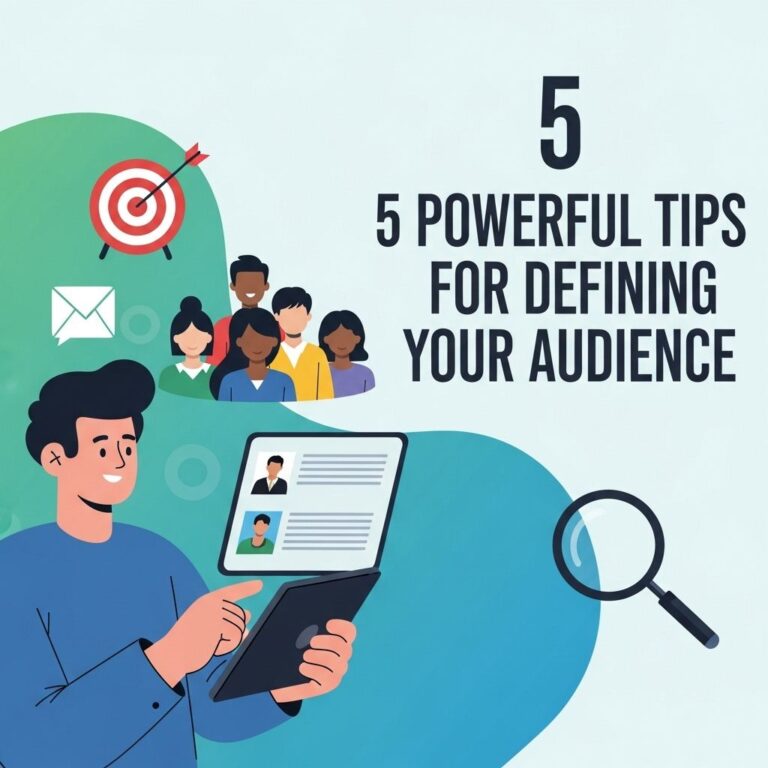
Understanding Your Audience
One of the cornerstones of effective marketing is having a deep understanding of your audience. Without knowing who you are targeting, crafting a compelling message becomes nearly impossible.
Why Audience Research is Crucial
- Tailors your messaging to resonate with potential customers.
- Identifies the needs and pain points of your audience.
- Informs content creation and marketing strategies.
Methods for Conducting Audience Research
Here are some methods to consider when gathering information about your audience:
- Surveys: Create and distribute surveys to gather quantitative data.
- Interviews: Conduct one-on-one interviews for in-depth qualitative insights.
- Social Media Analysis: Monitor discussions and feedback on social media platforms.
- Website Analytics: Use tools like Google Analytics to analyze visitor behavior on your site.
Creating Valuable Content
Content is the backbone of any marketing strategy. As a beginner, focusing on creating valuable, informative content can help establish your brand and engage your audience.
The Importance of Quality Content
Quality content can:
- Drive organic traffic to your website.
- Enhance your brand’s credibility.
- Encourage social shares and backlinks.
Types of Content to Consider
| Content Type | Description |
|---|---|
| Blog Posts | Informative articles that address relevant topics for your audience. |
| Videos | Engaging visual content that can explain complex topics easily. |
| Infographics | Visually appealing graphics that summarize information succinctly. |
| Podcasts | Audio discussions that provide insights and expert interviews. |
Leveraging Social Media Marketing
Social media platforms are powerful tools for reaching and engaging with your audience. For beginner marketers, mastering social media marketing can be a game changer.
Choosing the Right Platforms
Not all social media platforms are created equal. Consider the following factors when selecting which platforms to focus on:
- Demographics: Know where your target audience spends their time.
- Content Type: Choose platforms that align with your content format (e.g., visual content on Instagram vs. text-heavy content on Twitter).
- Engagement: Assess which platforms allow for meaningful interactions with your audience.
Building a Content Calendar
To maintain a consistent presence on social media, a content calendar can be invaluable. Here’s a simple framework to get started:
- Identify Key Dates: Mark holidays, industry events, and product launches.
- Plan Content Types: Alternate between images, videos, stories, and polls.
- Set Posting Frequency: Determine how often you will post on each platform.
Utilizing Email Marketing
Email marketing remains one of the most effective channels for reaching customers. For beginners, it offers a direct line of communication to your audience.
Building an Email List
Start by collecting email addresses through:
- Website sign-up forms
- Social media promotions
- Incentives like discounts or downloadable content
Crafting Engaging Email Campaigns
When creating email content, keep in mind the following strategies:
- Personalization: Use the recipient’s name and tailor content to their preferences.
- Clear Call-to-Action: Guide recipients on the next steps you want them to take.
- A/B Testing: Experiment with different subject lines and content formats to determine what resonates best.
Measuring and Analyzing Results
The final pillar of effective marketing is measurement. To understand what’s working and what’s not, it’s crucial to track and analyze your results.
Key Metrics to Monitor
Consider focusing on the following metrics:
- Website Traffic: Use Google Analytics to track visitor numbers and sources.
- Email Open Rates: Monitor how many recipients engage with your emails.
- Social Media Engagement: Track likes, shares, and comments to gauge audience interest.
- Conversion Rates: Measure how many leads take the desired action, such as making a purchase.
Using Data to Inform Future Strategies
After analyzing your metrics, use the insights gained to refine your marketing strategies:
- Identify Trends: Look for patterns in customer behavior and engagement.
- Adjust Content Strategies: Refine topics, formats, and distribution methods based on performance.
- Set New Goals: Establish clear, measurable goals for future campaigns.
By understanding your audience, creating valuable content, leveraging social media, utilizing email marketing, and measuring results, beginner marketers can pave their path to success. Each element contributes to a comprehensive strategy that can drive engagement and grow brand awareness. Embrace these powerful ideas, and watch your marketing efforts flourish.
FAQ
What are some essential skills for beginner marketers?
Beginner marketers should focus on developing skills in digital marketing, content creation, social media management, data analysis, and SEO.
How can I create an effective marketing strategy as a beginner?
Start by defining your target audience, setting clear goals, conducting market research, and choosing the right channels to reach your audience.
What is the importance of social media for beginner marketers?
Social media platforms are crucial for beginner marketers as they provide a cost-effective way to connect with potential customers and build brand awareness.
How can I measure the success of my marketing efforts?
Use analytics tools to track key performance indicators (KPIs) such as website traffic, conversion rates, and social media engagement to measure your marketing success.
What are some low-budget marketing tactics for beginners?
Consider tactics like content marketing, email marketing, social media promotions, and leveraging free tools for SEO to keep costs low while still reaching your audience.