Planning an adventure can be one of the most exhilarating experiences, igniting a spark of excitement about the journeys that lie ahead. Whether you’re a seasoned traveler or a novice explorer, embarking on a new venture requires careful thought and preparation. In this guide, we will delve into the essential aspects of planning your next adventure, ensuring it’s not only thrilling, but also safe and memorable.
Table of Contents
Setting Your Goals
Before you jump into the logistics of planning, it’s important to define what you want to achieve with your adventure. Ask yourself the following questions:
- What activities do you want to engage in? (e.g., hiking, sightseeing, cultural experiences)
- Are you seeking relaxation, adrenaline, or a mix of both?
- What is your budget?
- How much time can you dedicate to this adventure?
Determining your objectives will help shape your destination choices and the types of activities you pursue.
Choosing the Right Destination
Once you have a clear vision of what you want from your adventure, the next step is selecting a destination that aligns with your goals. Here are some considerations:
Research Potential Locations
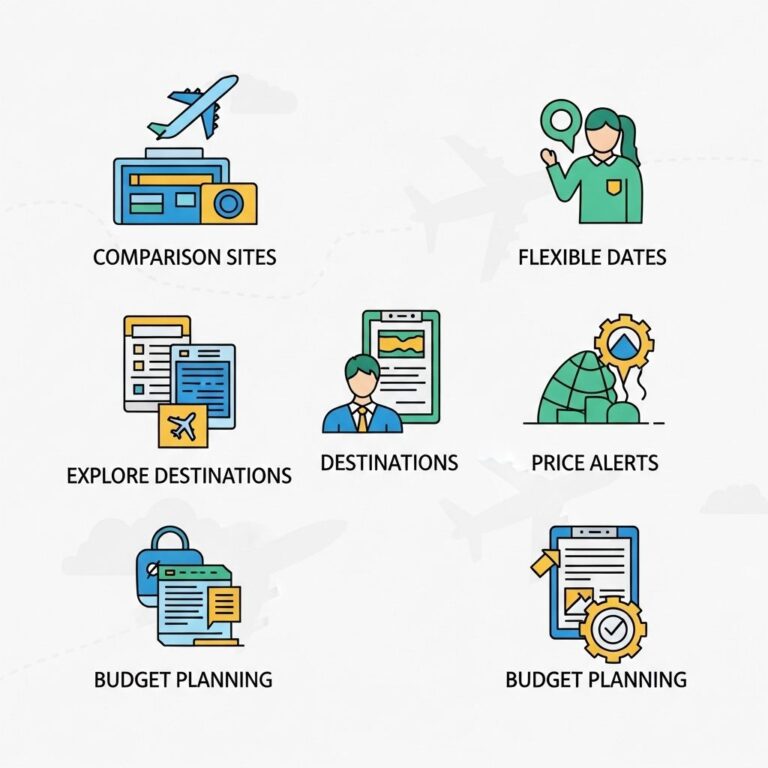
Use online resources, travel blogs, and forums to gather information about various destinations. Some useful sites include:
Consider the Climate and Geography
Your choice of destination should also take into account the local climate, which can significantly impact your experience. Research the best times to visit based on weather patterns:
| Destination | Best Time to Visit | Average Temperature (°C) |
|---|---|---|
| Hawaii | April to June, September to November | 24-30 |
| Switzerland | June to September | 15-25 |
| Thailand | November to February | 25-35 |
Budgeting for Your Adventure
Budgeting is a crucial element of planning your adventure. Here are some tips to help manage your finances:
Estimate Costs
Identify the potential costs involved in your adventure including:
- Transportation (flights, rental cars, public transport)
- Accommodation (hotels, hostels, camping)
- Food and drinks
- Activities and excursions
Creating a Savings Plan
If the total cost exceeds your current budget, consider starting a savings plan. Here are some strategies:
- Set a specific savings goal
- Create a dedicated travel fund
- Cut unnecessary expenses (e.g., subscriptions, dining out)
Planning the Itinerary
A well-structured itinerary will enhance your adventure experience. Here are steps to craft a comprehensive plan:
Reserve Your Accommodations
Look for accommodations that fit your budget and preferences:
- Hotels: Typically offer the most amenities.
- Hostels: Ideal for budget travelers and meeting new people.
- Airbnb: A good option for home-like stays.
Outline Daily Activities
Your itinerary should balance structured visits with free time. Here’s a sample daily outline:
| Day | Activity | Notes |
|---|---|---|
| 1 | Arrival and Local Exploration | Check into accommodation; visit local markets. |
| 2 | Adventure Activities | Book guided tours for hiking or water sports. |
| 3 | Cultural Experiences | Visit museums and historical sites. |
Staying Safe During Your Adventure
While adventure is about excitement and exploration, safety must remain a priority. Here are important precautions:
Research Local Guidelines
Familiarize yourself with local customs, safety regulations, and health advisories. Resources like the CDC or WHO provide updates on travel safety.
Secure Travel Insurance
Invest in travel insurance that covers:
- Medical emergencies
- Trip cancellations
- Lost luggage
Documenting Your Adventure
Don’t forget to capture the moments during your adventure! Here are some creative ways to document your journey:
- Photography: Use a travel camera or smartphone to take high-quality photos.
- Journaling: Maintain a travel journal to jot down daily experiences and reflections.
- Vlogging: Consider creating video content to share your adventure with others.
Post-Adventure Reflection
After returning home, it’s beneficial to reflect on your adventure. Consider the following:
- What were the highlights of your trip?
- What challenges did you face and how did you overcome them?
- What lessons did you learn for future travels?
By taking the time to reflect, you ensure that each adventure contributes to your overall growth and understanding as a traveler.
Planning your next adventure can be a systematic yet enjoyable process. It requires a mix of research, budgeting, and creativity. By following the steps outlined in this article, you’ll be well-equipped to embark on an unforgettable journey that meets all your expectations and leaves you craving your next escape.
FAQ
What are the first steps to planning an adventure trip?
Start by determining your destination, budget, and the type of adventure you want, whether it’s hiking, camping, or exploring a new city.
How do I choose the right destination for my adventure?
Consider your interests, the kind of activities you enjoy, the season, and travel restrictions to find the perfect destination.
What should I pack for an adventure trip?
Pack essentials such as clothing suitable for the climate, gear specific to your activities, first aid supplies, and personal items.
How can I ensure my safety during an adventure?
Research your destination, inform someone about your plans, carry a first aid kit, and stay aware of your surroundings.
What are some budget-friendly tips for planning an adventure?
Look for off-peak travel times, consider camping or budget accommodations, and plan your meals to save money.
How can I make my adventure more sustainable?
Choose eco-friendly accommodations, minimize waste, respect wildlife, and leave no trace while enjoying the outdoors.