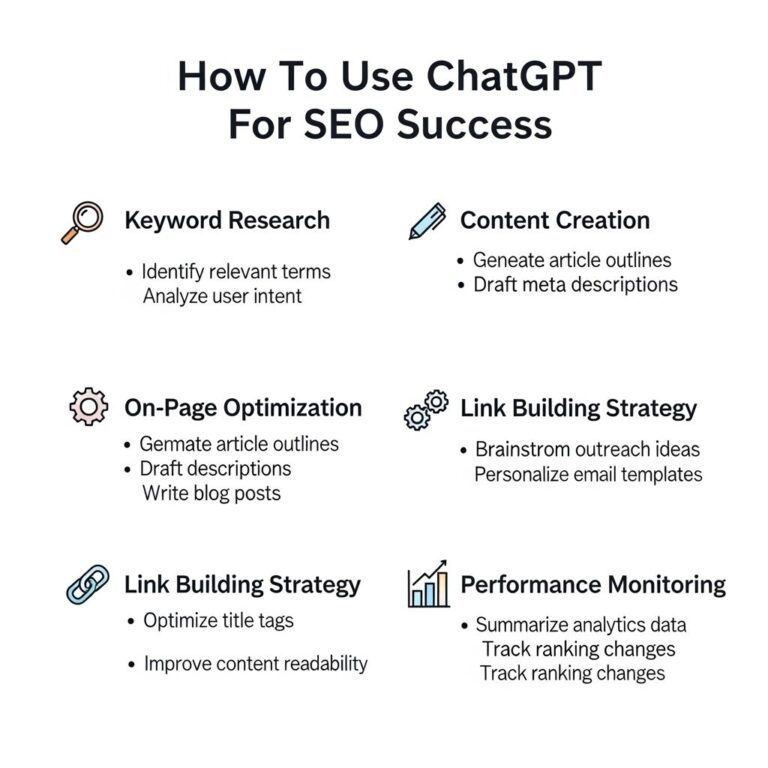
As the digital landscape continues to evolve, optimizing your website for performance, user experience, and search engines is paramount. In 2025, the focus will be not only on traditional SEO tactics but also on advanced technologies that enhance site functionality and user engagement. Understanding the latest trends and implementing robust strategies will help ensure that your site remains competitive and relevant.
As we approach 2025, it’s essential to ensure your website stays relevant and user-friendly amid rapid technological changes. By optimizing for mobile performance, improving load speeds, and focusing on accessibility, you can create a resilient online presence. For example, aligning your website with popular trends, such as craft beer culture, can enhance engagement; consider offering resources like craft beer downloads to attract your audience.
Table of Contents
Understanding the Changing Digital Environment
The digital environment is not static. With advancements in technology and changing user behaviors, your approach to website optimization must adapt. In 2025, the following areas will be pivotal:
- Mobile-First Indexing: Google and other search engines prioritize mobile versions of websites for indexing and ranking.
- Core Web Vitals: Performance metrics like loading speed, interactivity, and visual stability will continue to influence rankings.
- Artificial Intelligence: AI tools will play a significant role in personalizing user experiences and analyzing data for better decision-making.
- Voice Search Optimization: With the rise of virtual assistants, optimizing for voice search will become increasingly important.
Key Strategies for Optimization
To effectively optimize your site, consider implementing the following strategies:
1. Enhance Mobile Responsiveness
As mobile usage increases, ensuring your site is mobile-responsive is crucial. Here’s how to optimize for mobile:
- Use responsive design frameworks like Bootstrap or Foundation.
- Optimize images and media for faster loading on mobile devices.
- Minimize the use of pop-ups that could hinder user navigation.
2. Improve Page Loading Speed
Fast loading times are essential for retaining users. Here are some techniques to enhance speed:
- Minimize HTTP requests by reducing the number of elements on a page.
- Optimize images for the web using formats like WebP.
- Utilize browser caching to store frequently accessed data.
- Implement a Content Delivery Network (CDN) to distribute content geographically closer to your users.
3. Focus on Core Web Vitals
Google’s Core Web Vitals are essential metrics that measure the user experience. They include:
| Metric | Description | Target Value |
|---|---|---|
| Largest Contentful Paint (LCP) | Measures loading performance | Less than 2.5 seconds |
| First Input Delay (FID) | Measures interactivity | Less than 100 milliseconds |
| Cumulative Layout Shift (CLS) | Measures visual stability | Less than 0.1 |
4. Leverage AI and Machine Learning
AI can be utilized for various aspects of optimization:
- Content personalization based on user behavior.
- Chatbots for improved customer interaction.
- Data analysis to predict trends and user needs.
- SEO audits and suggestions using tools like Clearscope or Surfer SEO.
Content Optimization Strategies
Great content is at the heart of effective website optimization. Here’s how to ensure your content is optimized:
1. Create High-Quality, Relevant Content
Your content should address the needs of your target audience. Here are some tips:
- Conduct thorough keyword research to align content with user intent.
- Incorporate multimedia elements (videos, infographics) to engage users.
- Update existing content regularly to keep it fresh and relevant.
2. Implement Structured Data
Structured data helps search engines understand your content better. Use Schema.org markup to:
- Enhance search visibility with rich snippets.
- Provide context to your content, improving click-through rates.
3. Optimize for Voice Search
As voice search becomes more prevalent, consider the following:
- Use conversational keywords and phrases that mimic natural speech.
- Focus on local SEO to capture voice search queries related to location.
Technical SEO Considerations
Technical SEO is foundational for a well-optimized site. Here are essential factors to address:
1. Secure Your Site with HTTPS
Security is paramount. Implement HTTPS to protect user data and improve SEO rankings.
2. Optimize Your URL Structure
Keep URLs clean and descriptive. Use hyphens to separate words for better readability and SEO.
3. Fix Broken Links
Regularly audit your site for broken links using tools like Screaming Frog or Ahrefs. Broken links can harm your SEO and user experience.
Measuring Success and Continuous Improvement
After implementing optimization strategies, measuring success is vital. Use analytics tools like Google Analytics and Search Console to:
- Track organic traffic growth.
- Analyze user engagement metrics.
- Monitor keyword rankings and adjust strategies as needed.
Continuous improvement should be your mantra. Regularly review and refine your strategies to adapt to changing algorithms and user expectations.
Conclusion
Website optimization in 2025 requires a multifaceted approach that encompasses technical SEO, content quality, user experience, and the latest technological trends. By implementing the strategies outlined in this article, you can ensure that your site not only performs well but also provides a valuable experience for users. The digital landscape may be ever-changing, but a commitment to optimization and innovation will keep you ahead of the curve.
FAQ
What are the key strategies for optimizing my site in 2025?
In 2025, focus on mobile-first design, user experience enhancements, voice search optimization, and structured data implementation to improve your site’s visibility and ranking.
How important is page speed for site optimization in 2025?
Page speed remains crucial in 2025, as faster loading times improve user experience and are a significant ranking factor for search engines.
What role does content quality play in site optimization in 2025?
High-quality, relevant content is vital for ranking well in search engines; prioritize informative, engaging, and regularly updated content to attract and retain visitors.
Should I focus on local SEO for my site in 2025?
Yes, local SEO is essential in 2025, especially for businesses targeting specific geographic areas; ensure your site is optimized for local searches, including Google My Business listings.
How can I leverage social media for site optimization in 2025?
Utilizing social media platforms to share content and engage with your audience can drive traffic to your site, enhance brand visibility, and improve overall SEO performance.
What technical SEO practices should I prioritize in 2025?
In 2025, prioritize practices like fixing broken links, optimizing site architecture for better crawling, and ensuring your site is secure with HTTPS to enhance your technical SEO.