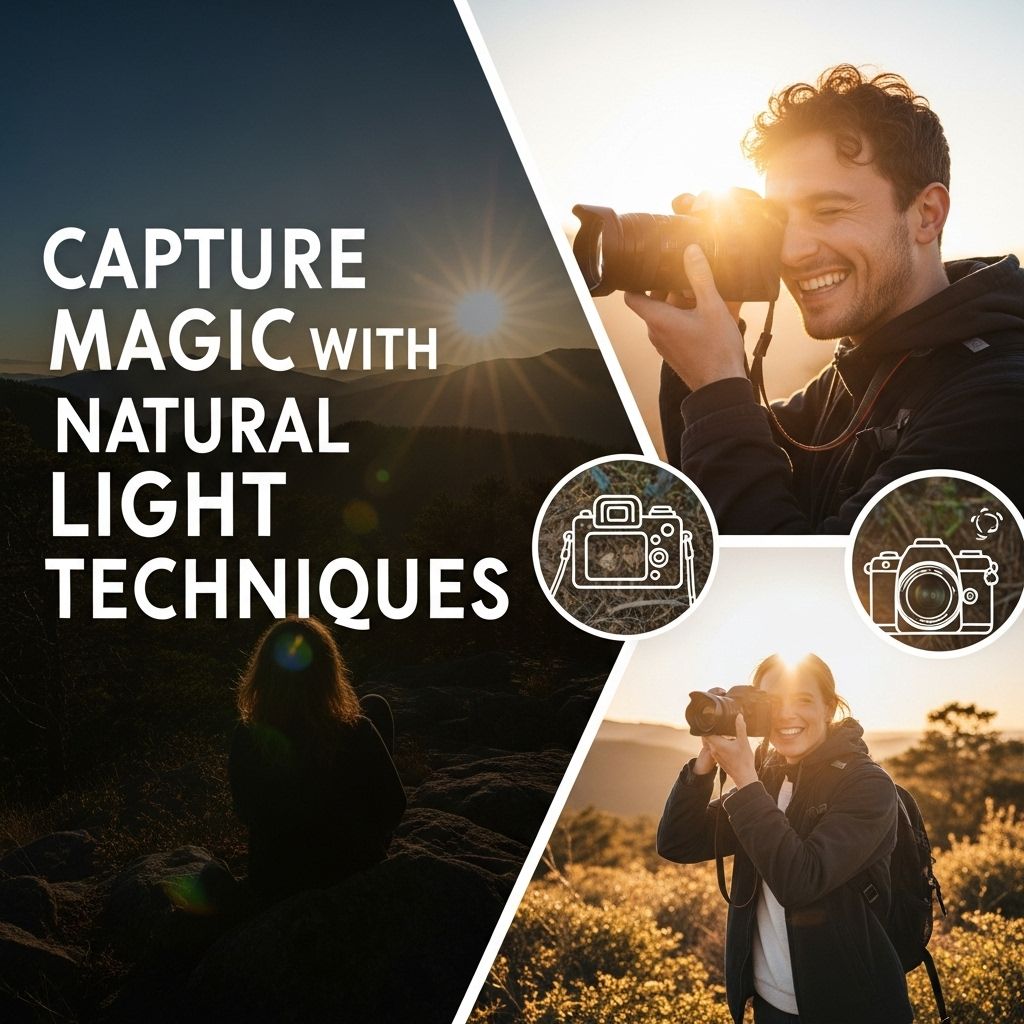
In the realm of photography, lighting is one of the most crucial elements that can make or break a shot. While artificial lighting can provide control and consistency, there’s a unique beauty that comes from using natural light. Whether you’re shooting portraits, landscapes, or still life, mastering the techniques of natural light can help you capture breathtaking images that resonate with emotion and ambiance. This article delves into various natural light techniques that can help you elevate your photography to the next level.
In the world of photography, mastering natural light can transform an ordinary scene into a captivating image. This guide on capturing magic through natural light techniques will help you harness the sun’s beauty, creating stunning photographs that evoke emotion and tell stories. For those looking to elevate their creative projects, consider exploring resources like download free bag mockups.
Table of Contents
Understanding Natural Light
Natural light refers to the illumination provided by the sun and the ambient light from the surroundings. It changes throughout the day and can create different moods and atmospheres in your photographs. Unlike artificial light sources, natural light interacts with the environment, giving your images depth and character.
The Importance of Time of Day
The quality and direction of light change significantly throughout the day. Understanding how to harness this can dramatically improve your photography:
- Golden Hour: The hour after sunrise and before sunset offers soft, warm, and diffused light. This is ideal for portraits and landscapes.
- Noon Light: The harsh overhead sun can create unflattering shadows. While challenging, it can be useful for high-contrast imagery.
- Blue Hour: The period just before sunrise and after sunset provides a cool tone and is perfect for capturing vibrant cityscapes.
Key Techniques for Using Natural Light
1. Diffusing Direct Light
Direct sunlight can often be too harsh, creating unflattering shadows and highlights. Here are a few techniques to diffuse direct light:
- Use Reflectors: You can bounce light onto your subject using reflectors, which can soften shadows.
- Find Open Shade: Position your subject in the shade created by trees or buildings to avoid harsh light.
- Use Sheer Fabrics: If you’re shooting indoors, hang sheer curtains or use a translucent umbrella to diffuse sunlight.
2. Backlighting for Dramatic Effects
Backlighting can add an ethereal quality to your images, creating silhouettes and highlighting details:
| Situation | Technique | Result |
|---|---|---|
| Portraits | Position the subject with the sun behind them and use a reflector to illuminate the face. | Soft, glowing effect with a halo around the subject. |
| Landscapes | Shoot towards the sun at sunrise or sunset. | Vibrant colors and dramatic contrasts. |
3. Utilizing Natural Filters
Sometimes, the best way to manage light is to use natural filters:
- Overcast Days: Clouds act as a natural diffuser, providing soft, even lighting that is perfect for portraits.
- Fog: Fog creates a dreamy quality, softening the light and adding depth to landscapes.
- Tree Canopies: Forests or areas with thick tree cover can help create unique lighting scenarios.
Composition in Natural Light Photography
Understanding composition is key to maximizing the impact of natural light in your photography:
Rule of Thirds
Place your subject off-center to create a more dynamic composition. This technique works effectively with natural light, adding interest to the photograph.
Leading Lines
Use natural elements such as roads, rivers, or branches that lead the viewer’s eye to the subject. These lines can work beautifully with the light, drawing attention to your focal point.
Framing
Utilizing elements in the environment to frame your subject can enhance the storytelling aspect of your image. Look for doorways, branches, or other objects that can create a natural frame.
Post-Processing Natural Light Images
Once you’ve captured your images, the editing process can further enhance the beauty of natural light:
- Adjusting Exposure: Sometimes images can appear too bright or too dark. Use editing software to correct exposure without losing details.
- Enhancing Colors: Boost the vibrance and saturation to emphasize the natural hues captured in your photograph.
- Sharpening: Apply selective sharpening to highlight areas of interest while maintaining a soft look elsewhere.
Conclusion
Capturing magic with natural light requires an understanding of the environment and the ability to adapt to changing conditions. By mastering the different techniques outlined in this article, photographers can create stunning, emotive images that harness the beauty of natural light. Remember that practice is key; the more you experiment, the more you will learn to appreciate the nuances of natural lighting.
FAQ
What are natural light photography techniques?
Natural light photography techniques involve using available sunlight to illuminate your subjects, enhancing the mood and atmosphere of your images without artificial lighting.
How can I capture magic in my outdoor portraits?
To capture magic in outdoor portraits, shoot during the golden hour, utilize reflectors to manipulate light, and position your subjects to take advantage of natural shadows.
What is the golden hour and why is it important?
The golden hour is the period shortly after sunrise and before sunset when the light is soft and warm, making it ideal for photography to create a magical and flattering effect.
What tips can I use for natural light photography indoors?
For indoor natural light photography, position your subject near windows, use sheer curtains to diffuse harsh light, and experiment with different angles to find the best illumination.
How does weather affect natural light photography?
Weather conditions such as overcast skies can create soft, diffused lighting, while sunny days can produce harsh shadows; understanding these effects can help you plan your shoots for the best results.