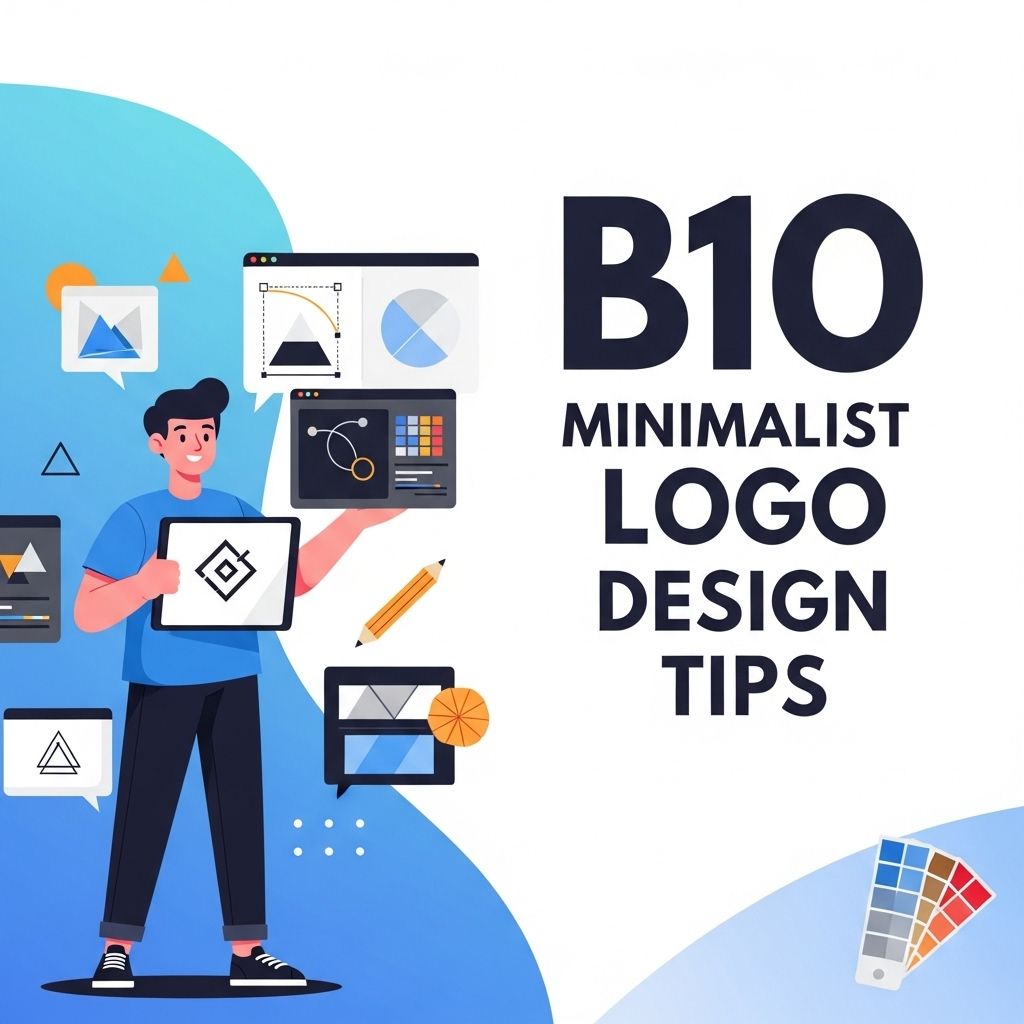
In the fast-paced world of branding and design, a minimalist logo can often convey a message more powerfully than a complex one. As simplicity continues to be a trend in visual identity, understanding how to craft a minimalist logo can set your brand apart in a crowded marketplace. Below, we explore essential tips for creating a logo that embodies clarity and sophistication while remaining memorable.
When embarking on the journey of creating a minimalist logo, it’s essential to focus on simplicity and clarity. This approach not only enhances brand recognition but also ensures versatility across various applications. For those seeking inspiration, consider exploring resources for logo design inspiration to ignite your creative process.
Table of Contents
Understanding Minimalism in Logo Design
Minimalism in design refers to the art of stripping away the non-essential elements to emphasize the essential. In logo design, this means focusing on simple shapes, limited color palettes, and clear typography. The goal is to create a logo that resonates with the audience while being easily recognizable.
Key Characteristics of Minimalist Logos
- Simple shapes and forms
- Limited color schemes
- Clear and readable typography
- Strong negative space usage
- Timeless appeal
1. Prioritize Simplicity
Your logo should be straightforward and uncomplicated. A complicated logo often fails to communicate your brand message effectively. Minimalist logos thrive on simplicity, which helps them remain versatile across various applications.
2. Focus on Core Values
Your logo should reflect the core values of your brand. Ask yourself:
- What does my brand stand for?
- What message do I want to convey?
- Who is my target audience?
By identifying these core principles, you can design a logo that embodies the essence of your brand.
3. Embrace Negative Space
Negative space is the area around and between the subjects of an image. Using negative space cleverly can create a more engaging logo. Some famous examples include:
| Logo | Negative Space Element |
|---|---|
| FedEx | Arrow in the space between ‘E’ and ‘x’ |
| NBC | Colorful peacock with hidden shapes |
4. Choose the Right Color Palette
In minimalist design, color plays a crucial role. A limited color palette can evoke emotions and convey meaning more efficiently. Here are some tips for selecting colors:
- Stick to 1-3 colors
- Consider color psychology
- Use contrasting colors for better visibility
- Choose colors that complement each other
5. Opt for Timeless Fonts
The typography you choose for your minimalist logo should be clear and timeless. Avoid overly trendy fonts that may become dated quickly. Instead, consider:
- Sans-serif fonts for modernity
- Serif fonts for a classic touch
- Custom typefaces for uniqueness
6. Test Scalability
A good logo must be scalable and look great at all sizes. Whether it’s on a business card or a billboard, your logo should maintain its integrity and clarity. Here’s how to test your logo:
- Resize the logo to small dimensions
- Check its visibility in monochrome
- Ensure it’s distinctive at different sizes
7. Be Unique and Distinct
In a world saturated with brands, standing out is essential. Conduct market research to understand what your competitors are doing. Ensure your logo is unique and avoids close resemblance to existing brands. This will help in establishing a strong brand identity.
8. Seek Feedback Early
Gather feedback on your logo designs as early as possible. Share your concepts with colleagues, stakeholders, or target audience members to gain valuable insights. This feedback can help refine your logo further before finalizing it.
9. Iterate and Refine
Logo design is a process that often requires multiple iterations. Allow yourself the freedom to experiment with different ideas and concepts. After receiving feedback, refine your designs until you achieve a version that resonates strongly with your brand identity.
10. Consider the Long-term Vision
Finally, think about the long-term vision of your brand. Your logo should not only represent your current identity but also be adaptable for future growth. Avoid trends that might quickly fade away and opt for a design that remains relevant over time.
Conclusion
Creating a minimalist logo is an exercise in restraint and clarity. By focusing on simplicity, core values, and effective use of negative space, you can design a logo that powerfully communicates your brand identity. Always remember that your logo is often the first impression your audience has of your brand, so invest the time and thought necessary to make it exceptional.
FAQ
What is minimalist logo design?
Minimalist logo design focuses on simplicity and functionality, using minimal elements to create a memorable and effective brand image.
What are the benefits of a minimalist logo?
Minimalist logos are easily recognizable, versatile across various mediums, and often convey a sense of modernity and sophistication.
How do I choose the right colors for a minimalist logo?
Choose a limited color palette that reflects your brand’s personality. Often, using one or two colors enhances simplicity and impact.
What typefaces work best for minimalist logos?
Sans-serif fonts are popular for minimalist logos because of their clean lines and readability. Choose fonts that align with your brand’s tone.
How can I ensure my minimalist logo is memorable?
Focus on unique shapes and symbols that reflect your brand identity while keeping the design simple and uncluttered.
What are common mistakes to avoid in minimalist logo design?
Avoid overcomplicating the design, using too many colors, or relying on clichés. A successful minimalist logo should be straightforward and original.