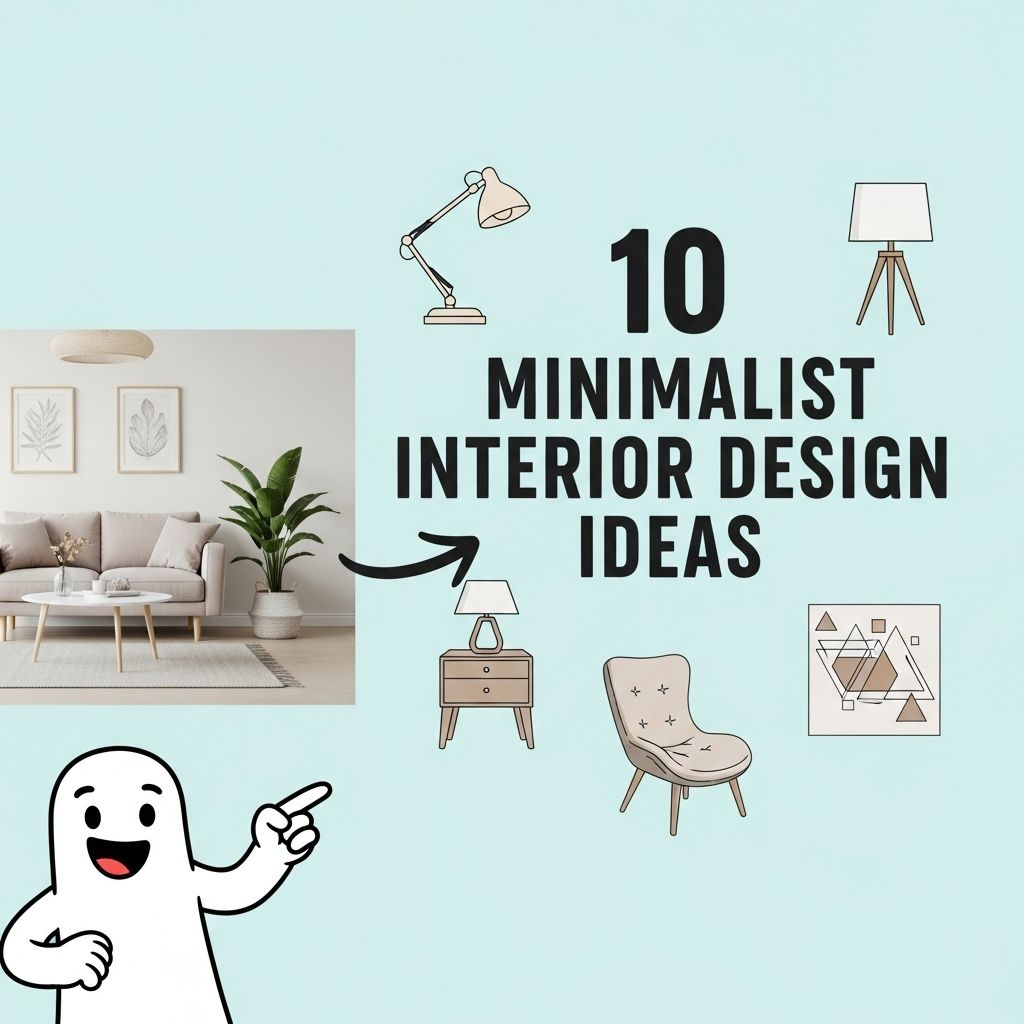
Minimalism in interior design transcends mere aesthetics; it is a philosophy that encourages simplicity, functionality, and a focus on the essentials. This design approach is not just about having fewer things; it’s about creating a space that is calm, organized, and conducive to a stress-free lifestyle. In this article, we will explore various minimalist interior design ideas that can transform your living space into a serene sanctuary.
Table of Contents
Understanding Minimalist Design
At its core, minimalist design is built on the principles of simplicity and functionality. Here are some key characteristics that define this aesthetic:
- Clean lines and uncluttered spaces
- Neutral color palettes
- Functional furniture
- Open floor plans
- Natural light utilization
1. Embrace Neutral Colors
Neutral colors are pivotal in establishing a minimalist ambiance. Shades of white, gray, beige, and taupe can create a calming backdrop that allows your furnishings and decorative pieces to shine. Consider the following tips for color application:
Color Combinations
| Color | Combinations |
|---|---|
| White | With soft woods and light grays |
| Beige | With dark brown and muted greens |
| Gray | With pastels and bold accents |
2. Functional Furniture
Investing in multi-functional furniture is essential in a minimalist home. It maximizes space while providing utility. Here are some pieces to consider:
- Sofa beds: Perfect for accommodating guests without taking up extra space.
- Storage ottomans: Useful for seating and storage in one.
- Wall-mounted desks: Ideal for small spaces while keeping the floor area open.
3. Open Spaces Are Key
One of the hallmarks of minimalism is an open floor plan. By removing unnecessary walls and barriers, you can create a seamless flow from one room to another. Here’s how to achieve this:
- Consider knocking down non-load-bearing walls.
- Use furniture arrangement to define spaces instead of walls.
- Utilize area rugs to demarcate different functional zones.
4. Limit Decorative Items
In minimalist design, less is indeed more. Here are strategies to simplify your decor:
- Choose one or two statement pieces of art instead of a gallery wall.
- Opt for plants in single pots rather than multiple arrangements.
- Use books as decor; a small, curated collection can be visually striking.
5. Natural Light as a Design Element
Maximizing natural light is vital in minimalist design. Here are some ways to invite more light into your space:
- Use sheer curtains to allow light while maintaining privacy.
- Opt for mirrors to reflect light and make the space feel larger.
- Keep windows unobstructed by bulky furniture.
6. Textures and Materials
Minimalist design often relies on texture to create visual interest. Here are some materials to incorporate:
- Wood: Adds warmth to the space.
- Metal: Provides a sleek touch, especially in fixtures.
- Textiles: Use natural fabrics like linen or cotton for a soft feel.
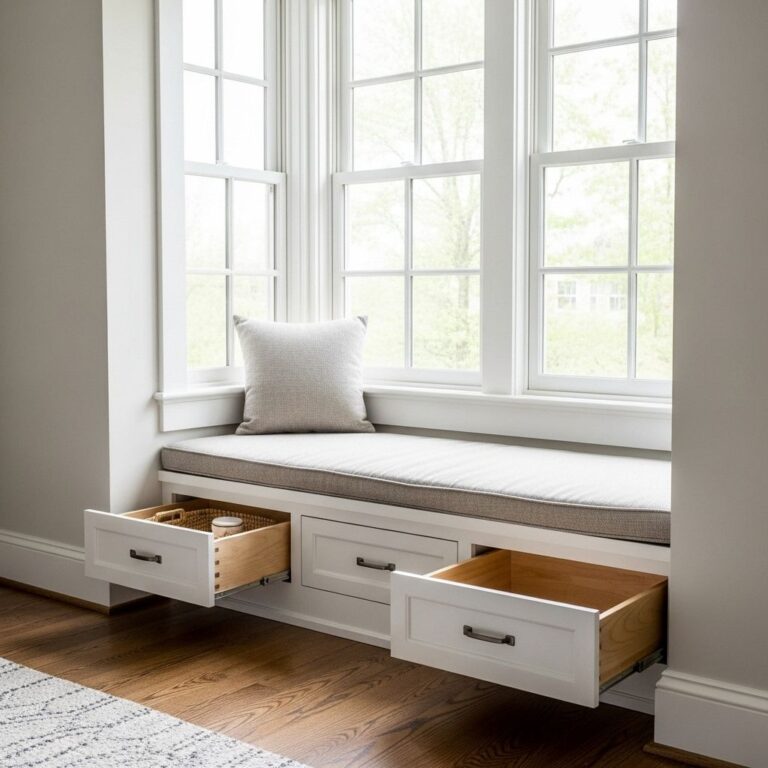
7. Smart Storage Solutions
Keeping clutter at bay is essential in minimalist design. Here are storage ideas that keep everything organized:
- Utilize under-bed storage for seasonal items.
- Incorporate built-in shelves to save floor space.
- Choose furniture with hidden compartments for a seamless look.
8. Prioritize Quality Over Quantity
In a minimalist space, every item should be purposeful and high-quality. This means investing in fewer, but more durable and timeless pieces. Consider these tips:
- Research brands known for sustainable and lasting materials.
- Choose classic styles that won’t quickly go out of fashion.
9. Create a Relaxation Zone
Designate a specific area in your home for relaxation and mindfulness. This could be a reading nook or a meditation corner. Here’s how to set it up:
- Use a comfortable chair or floor cushions.
- Incorporate soft lighting with lamps or fairy lights.
- Add elements of nature, like plants or a small water feature.
10. Personalization in Minimalism
While the essence of minimalism is simplicity, you can still add a personal touch. Here are some ideas:
- Showcase a few meaningful photographs in a simple frame.
- Incorporate a piece of art that resonates with your personal journey.
- Add a signature scent through candles or essential oils for a homely feel.
Conclusion
Embracing minimalist interior design can lead to a more peaceful and organized living environment. By focusing on function, quality, and simplicity, you can create a space that not only looks aesthetically pleasing but also enhances your lifestyle. Remember, minimalism is not just about having fewer things; it’s about making room for what truly matters.
FAQ
What is minimalist interior design?
Minimalist interior design is a style that emphasizes simplicity, functionality, and a ‘less is more’ philosophy, often using a neutral color palette and clean lines.
How can I start a minimalist interior design in my home?
Begin by decluttering your space, choosing essential furniture pieces, and selecting a neutral color scheme to create an open and airy feel.
What are some key elements of minimalist interior design?
Key elements include open spaces, natural light, functional furniture, a limited color palette, and the use of texture to add warmth without clutter.
Can I incorporate color in minimalist design?
Yes, while minimalist design typically leans towards neutral colors, you can introduce subtle accents or a single bold color to create focal points.
What materials work best for minimalist interiors?
Materials such as wood, metal, glass, and concrete are commonly used in minimalist design for their clean lines and functionality.
Is minimalist interior design suitable for small spaces?
Absolutely! Minimalism is ideal for small spaces as it maximizes functionality and creates an illusion of more space through simplicity.