Minimalist design is more than just a trend; it’s a lifestyle choice that emphasizes simplicity, functionality, and the beauty of empty space. By stripping away the unnecessary, minimalism allows us to focus on what truly matters. In a world filled with noise and chaos, incorporating minimal design into your surroundings can create a sanctuary that promotes calm and clarity. Whether you’re looking to refresh a single room or transform your entire home, here are ten minimal design ideas that can help you achieve a serene and stylish environment.
Table of Contents
1. Embrace Neutral Color Palettes
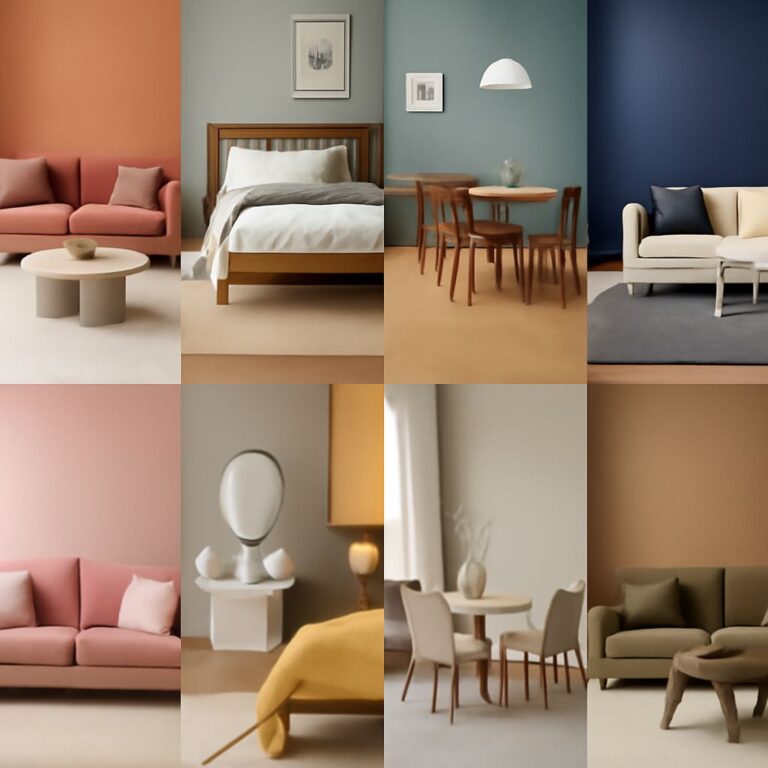
Choosing a neutral color palette is one of the easiest ways to implement a minimalist design in your space. Soft whites, greys, beiges, and muted pastels can create a cohesive and calming atmosphere. Consider the following color suggestions:
- White: Brightens spaces and reflects natural light.
- Grey: A versatile shade that can feel warm or cool depending on the undertones.
- Beige: Adds warmth while maintaining a light and airy feel.
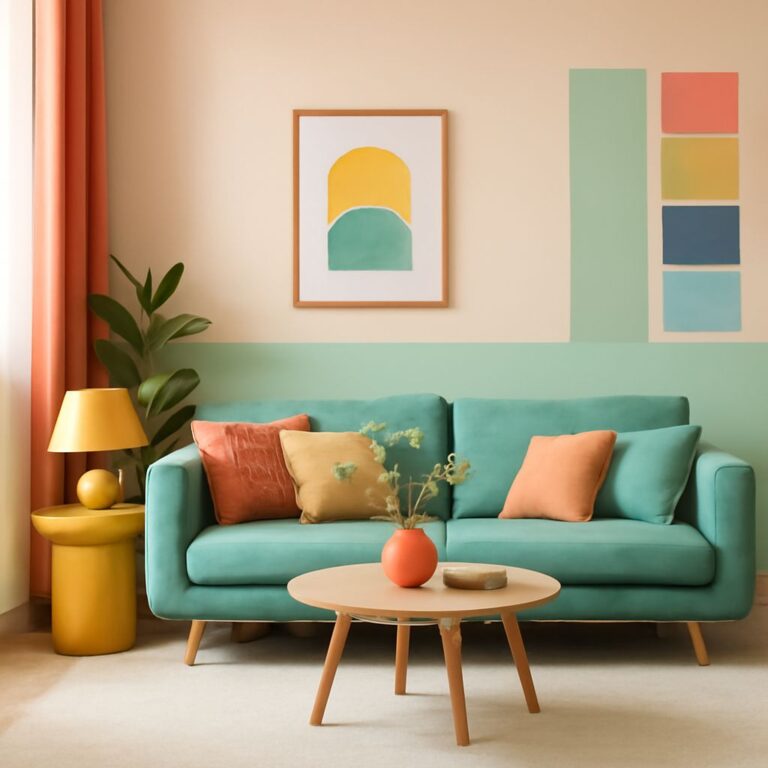
- Soft Pastels: Add a hint of color without overwhelming the senses.
2. Utilize Natural Materials
Natural materials not only enhance the aesthetic of a room but also bring a sense of warmth and comfort. Incorporate the following elements:
- Wood: Use reclaimed wood for furniture or flooring to add character.
- Stone: Consider granite or marble countertops for a touch of luxury.
- Cotton and Linen: Opt for natural textiles for curtains and upholstery.
3. Focus on Functionality
In a minimalist design, every piece of furniture should serve a purpose. This approach can clear clutter and make everyday life simpler. Consider these functional furniture choices:
- Multi-functional Furniture: Invest in pieces that serve multiple purposes, like a sofa bed or a coffee table with storage.
- Built-in Storage: Maximize space with built-in shelving or cabinetry.
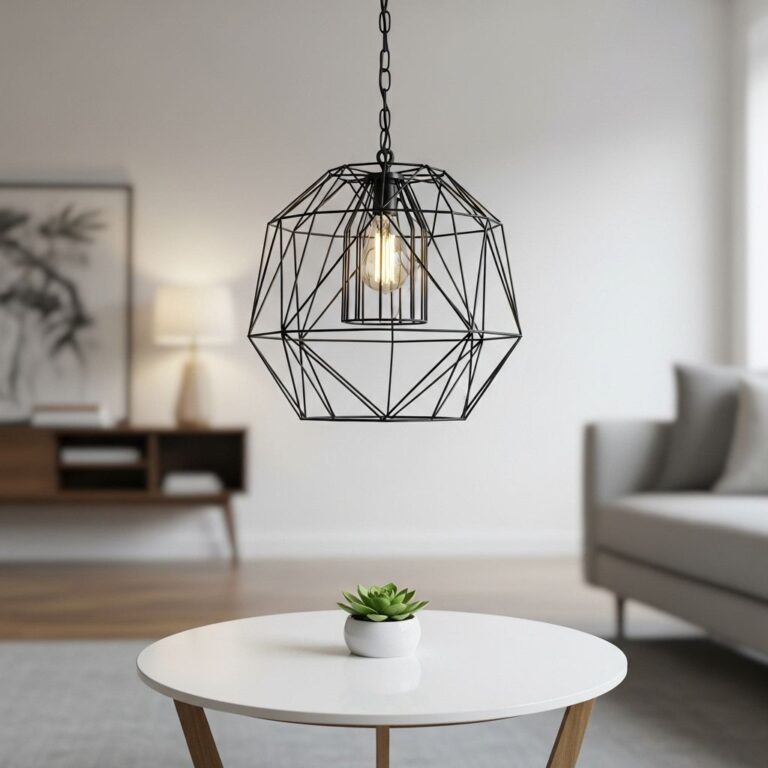
- Minimalist Lighting: Use simple fixtures that don’t intrude on the design while providing adequate lighting.
4. Create Open Spaces
Open floor plans promote a sense of freedom and can make a space feel larger. To achieve this:
- Remove unnecessary walls or partitions.
- Use area rugs to define spaces without closing them in.
- Choose low-profile furniture to maintain sight lines.
5. Incorporate Greenery
Plants can breathe life into a minimalist space while maintaining a clean aesthetic. Consider the following:
| Plant Type | Light Requirements | Care Level |
|---|---|---|
| Snake Plant | Low to bright indirect light | Low |
| Pothos | Low to bright indirect light | Very low |
| Fiddle Leaf Fig | Bright, indirect light | Moderate |
6. Limit Accessories
In minimalist design, less is often more. When it comes to accessories:
- Select a few key decorative items that resonate with you.
- Choose art pieces that evoke emotion without cluttering walls.
- Minimize knick-knacks that do not serve a purpose.
7. Invest in Quality Over Quantity
When purchasing furniture and decor, prioritize quality items that can stand the test of time. This approach not only enhances your space but also reduces waste. Look for:
- Timeless designs that won’t go out of style.
- Durable materials that withstand daily use.
- Versatile pieces that can adapt to different themes.
8. Integrate Technology Seamlessly
In a tech-savvy world, technology can enhance minimalist living when integrated thoughtfully. Consider:
- Smart Home Devices: Use voice-controlled lights and thermostats for convenience.
- Wiring Management: Conceal wires and cables to maintain a clean look.
- Minimalist Gadgets: Select devices that complement the aesthetic rather than detract from it.
9. Focus on Minimalistic Artwork
Artwork can serve as a focal point in a minimalist space when chosen wisely. Opt for:
- Large-scale pieces that fill wall space without overwhelming.
- Black and white photography for a timeless touch.
- Abstract art that encourages interpretation without crowding the design.
10. Maintain Organization
Finally, maintaining a minimalist space requires ongoing organization. Follow these tips:
- Declutter Regularly: Set a schedule to evaluate items in your home.
- Use Storage Solutions: Invest in baskets, boxes, and organizers.
- Adopt a ‘One In, One Out’ Policy: For every new item, consider removing one.
By implementing these ten minimal design ideas, you can transform your space into a serene environment that prioritizes simplicity and functionality. Embrace the minimalist lifestyle and enjoy the peace and clarity it brings to your home.
FAQ
What is minimal design?
Minimal design is a style that emphasizes simplicity and the elimination of excess, focusing on functionality and clean lines.
How can I incorporate minimal design in my home?
You can incorporate minimal design by decluttering your space, using a neutral color palette, and selecting furniture with simple forms.
What are some key elements of minimal design?
Key elements of minimal design include open spaces, natural light, a limited color scheme, and carefully chosen decorative items.
Can minimal design work in small spaces?
Yes, minimal design is particularly effective in small spaces, as it helps to create an illusion of openness and reduces visual clutter.
What furniture styles complement minimal design?
Furniture styles that complement minimal design include Scandinavian, mid-century modern, and contemporary pieces, which often feature clean lines and functional forms.
Are there any specific colors that work best for minimal design?
Neutral colors such as whites, grays, and beiges are ideal for minimal design, as they create a calming environment and allow for versatility in décor.