Table of Contents
Introduction
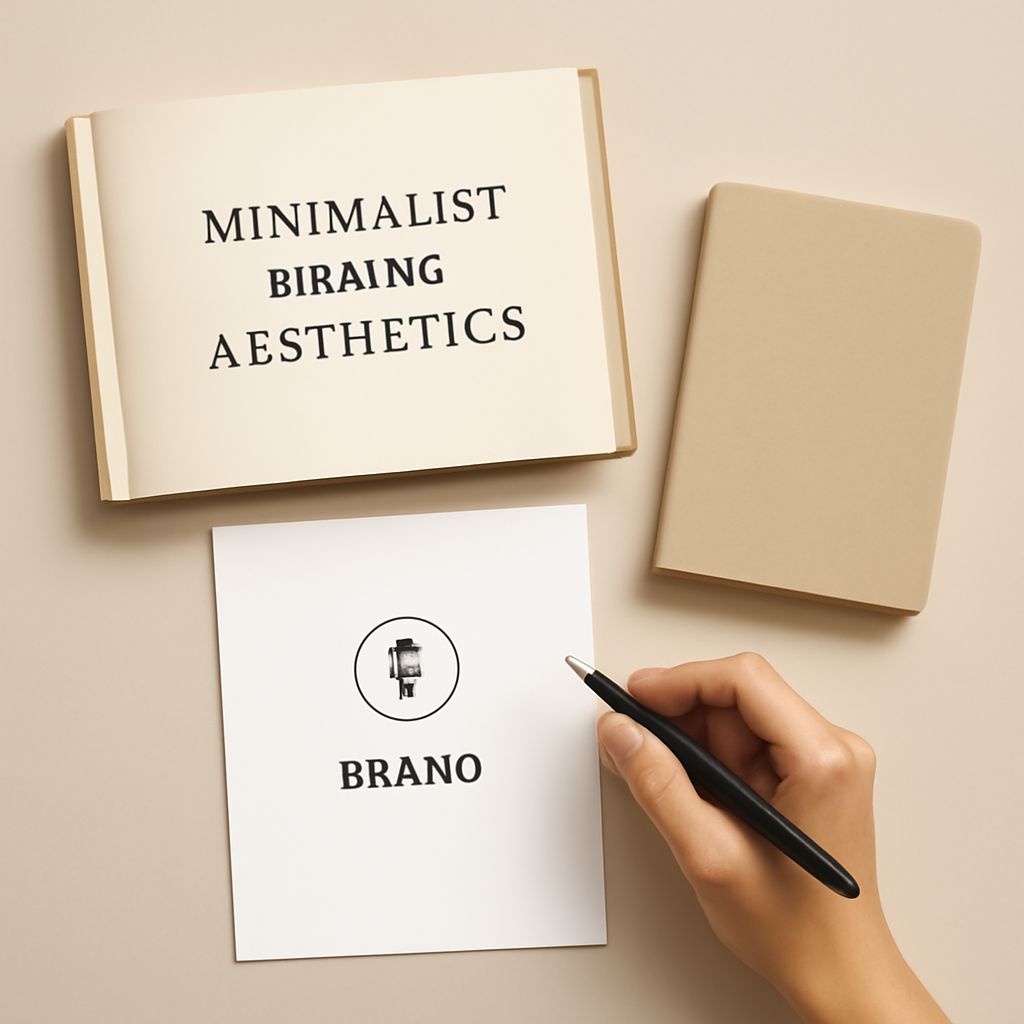
Minimalist brand aesthetics have gained significant popularity in recent years, as businesses and consumers alike recognize the beauty and effectiveness of simplicity. This design style emphasizes clarity, focus, and a ‘less is more’ philosophy, making it a powerful approach in modern branding. In this article, we will delve into the principles that define minimalist branding and how you can master this art to create compelling brand visuals.
In today’s fast-paced digital landscape, mastering the art of minimalist brand aesthetics is essential for creating a memorable identity. This approach emphasizes simplicity, focusing on clean lines and essential elements to communicate a brand’s message effectively. For those looking to enhance their visual presence, consider utilizing high-quality banner mockups as a vital tool in your design process.
What is Minimalist Brand Aesthetics?
Minimalist brand aesthetics revolve around the concept of simplicity and reduction in design elements to emphasize the brand’s core message. It focuses on clean lines, ample white space, and purposeful use of color.
- Emphasizes simplicity and function
- Prioritizes clarity and direct communication
- Uses a restrained color palette
Principles of Minimalist Design
To effectively employ minimalist brand aesthetics, understanding its foundational principles is key. These include:
- Simplicity: Stripping designs down to essential elements to convey the intended message.
- Whitespace: Using empty spaces strategically to create a sense of balance and focus.
- Typography: Selecting clean and readable fonts that enhance the overall design.
- Color: Utilizing a limited color palette to maintain consistency and brand recognition.
Benefits of Minimalist Branding
Adopting a minimalist approach in branding offers several benefits, including:
- Increased brand recognition due to coherent and straightforward design.
- Enhanced user experience with intuitive and easy-to-navigate design structures.
- Timeless appeal, as minimalist designs tend to stay relevant longer.
- Improved focus on brand values and key messaging.
How to Implement Minimalist Aesthetics in Your Brand
Implementing minimalist aesthetics requires careful consideration and strategic planning. Here are steps to guide you:
- Define Your Core Message: Clearly articulate the message or value you want your brand to convey.
- Choose Timeless Elements: Opt for design elements such as fonts and colors that withstand changing trends.
- Focus on Functionality: Ensure that every element serves a purpose and enhances usability.
- Maintain Consistency: Apply minimalist principles consistently across all brand materials and platforms.
Key Differences: Minimalist Branding vs. Other Styles
| Aspect | Minimalist Branding | Other Styles |
|---|---|---|
| Complexity | Low | Varies |
| Color Palette | Limited | Varied |
| Focus | Core message | Multiple elements |
| Typography | Simple fonts | Decorative options |
| Whitespace | Plentiful | Often minimized |
Case Studies of Successful Minimalist Brands
Consider leading brands that have effectively employed minimalist aesthetics to their advantage:
- Apple: Renowned for its sleek, minimalist product designs and advertising.
- Muji: Emphasizes simplicity and functionality in both products and branding.
- Aesop: Utilizes minimal packaging to highlight product quality and natural ingredients.
FAQ
What is the main focus of minimalist branding?
Minimalist branding focuses on simplicity and conveying a brand’s core message clearly and effectively.
Can minimalist design work for all types of brands?
While minimalist design can enhance brand clarity and appeal, it’s most effective for brands that prioritize simplicity and clear communication.
How can I start implementing minimalist aesthetics in my brand?
Begin by defining your core message, selecting a simple color palette and typography, and using whitespace strategically to enhance design focus.
What role does whitespace play in minimalist branding?
Whitespace, or negative space, provides balance in design and helps direct focus to the brand’s key message or elements.
Is minimalist branding suitable for digital and print mediums?
Yes, minimalist branding is versatile and can be successfully applied across both digital and print mediums, offering consistent brand presence.
Conclusion
Mastering minimalist brand aesthetics requires a strategic balance between simplicity and relevance. By focusing on core messages and reducing design elements to their essentials, brands can achieve clarity, timeless appeal, and enhanced user engagement. Whether you are revamping an existing brand or creating a new one, embracing minimalist principles can lead to a more meaningful and impactful brand presence in today’s cluttered market environment.