Table of Contents
Understanding SEO Fundamentals
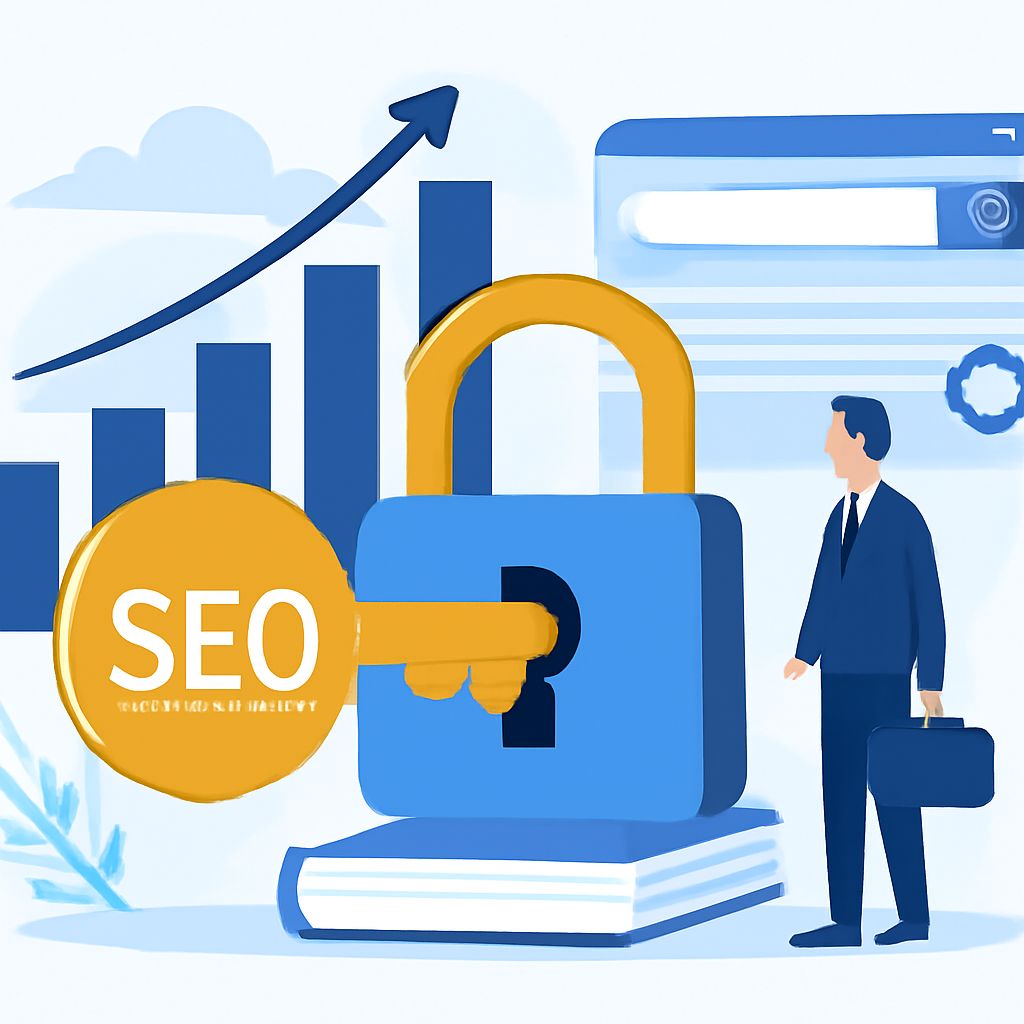
In today’s digital landscape, mastering Search Engine Optimization (SEO) is crucial for any business looking to succeed online. SEO involves optimizing web pages to rank higher in search engine results, thereby increasing online visibility and driving organic traffic to the website. Successful implementation of SEO can transform your web presence, making it a core component in your digital marketing strategy.
To begin with, understanding the basics of SEO is essential. It encompasses both on-page techniques, such as keyword optimization and content creation, as well as off-page methods like link building and social media engagement. Let’s delve deeper into these components:
- Keyword Research: Identifying the right keywords is the backbone of SEO. It involves researching phrases potential customers use to search for products or services similar to what your business offers. Effective keyword research requires analyzing search volume, competitiveness, and user intent to ensure your content aligns with potential inquiries.
- Content Creation: Quality content is king in the realm of SEO. Producing valuable, informative, and engaging content helps attract visitors and keeps them on your site longer, which positively impacts your search ranking. It’s not only about integrating keywords but also creating comprehensive content that answers users’ questions and provides them with actionable insights.
- Technical SEO: Ensuring the technical aspects of your website are up to standards is crucial for effective SEO. This includes improving website speed, mobile-friendliness, and ensuring proper indexing by search engines. Elements like schema markup, SSL certificates, and XML sitemaps also contribute to a site’s SEO performance.
On-page SEO Techniques
On-page SEO refers to the optimization within your website’s content. This includes adjusting meta tags, using descriptive URLs, incorporating header tags properly, and optimizing images. Ensuring your website’s pages are structurally sound and content-rich enhances both user experience and search engine understanding.
Advanced SEO Strategies for Business Growth
Once the fundamentals are in place, consider advancing to more sophisticated SEO strategies that can propel your business forward. This involves understanding user intent, leveraging analytical tools, and staying updated with algorithm changes in order to maintain or improve your rankings as search engines evolve.
User intent emphasizes creating content that directly addresses what users are searching for. By understanding the journey of your potential customers, you can craft content that fulfills their needs, thereby improving engagement rates.
- Utilizing Analytics: To refine your SEO strategy, it’s important to track performance using analytics tools. These tools provide insights into traffic sources, user behavior, and conversion rates, enabling data-driven decision-making. Google Analytics and Search Console are essential tools for monitoring and optimizing your SEO efforts.
- Algorithm Awareness: Search engines frequently update their algorithms. Staying informed about these changes and adapting your strategies accordingly ensures your SEO efforts remain effective. Following industry leaders and being part of SEO communities can provide timely updates on any changes.
- Local SEO: For businesses with a physical presence, local SEO is vital. It involves optimizing your website for location-based searches and managing online business listings and reviews. By using local keywords and ensuring your NAP (Name, Address, Phone number) is consistent across platforms, you can enhance your visibility to local customers.
The Role of Social Media in SEO
While social media is not a direct ranking factor, it still influences SEO in significant ways. Sharing content on social platforms increases its reach, thereby driving traffic to your website. Furthermore, social signals can indirectly impact ranking through increased visibility and the potential for more backlinks.
The Impact of SEO on Business Success
Investing in SEO provides numerous benefits for businesses. It not only enhances visibility and increases traffic but also establishes brand credibility and fosters customer trust. A strong online presence cultivated through effective SEO can significantly boost a business’s bottom line.
Organic traffic, unlike paid advertisements, continues to generate clicks and conversions even after the initial investment. By building a robust SEO strategy, businesses can sustain long-term growth at a fraction of the cost of traditional marketing methods. In essence, SEO provides an ongoing return on investment as it perpetuates online reach without continuous payment.
SEO and Content Marketing
SEO and content marketing are intricately linked. While SEO sets the foundation for visibility, content marketing drives engagement. Both need to coexist seamlessly to create a powerful online marketing strategy. By delivering high-value content consistently, businesses can improve their SEO outcomes over time.
FAQ
How long does it take to see results from SEO?
SEO is a long-term investment, and it generally takes three to six months to start seeing significant results. It requires consistent effort and regular updates to adapt to changes in search engine algorithms. Patience and persistence are key, as SEO outcomes compound over time with sustained efforts.
Can I do SEO on my own?
While many business owners start their own SEO efforts, hiring an experienced SEO specialist or agency can provide expertise and save time. The complexity of SEO strategies can vary, often requiring professional insights to achieve optimal results. Outsourcing SEO can give you access to specialized knowledge and tools that streamline the process.
What are backlinks, and why are they important?
Backlinks are links from other websites that direct users to your site. They are crucial for SEO as they signal to search engines that your content is valuable and credible. Having a strong backlink profile can improve your search rankings. Quantity, quality, and relevance of backlinks matter, as search engines assess these factors when determining a website’s authority.
Is content still important for SEO?
Absolutely! Content is more important than ever. Quality content not only attracts users and keeps them engaged but also caters to search engines’ needs for fresh and relevant information, thus impacting SEO positively. Content that is well-researched, keyword-optimized, and provides real value to readers will stand the test of algorithm changes.